

Introduction: Why It Matters Now
The mechanism is clear. Undoing it alone remains out of reach. Together, perhaps not.
But deep down, isn’t that exactly the price America must pay to remind its elites that power now belongs to the people who have reclaimed it?
This isn’t a Washington hallway rumor. It’s the mandate of the 47th president, in effect since January 20, 2025, etched into the very ground his opponents swore to protect.
What these experts never openly admit is their real grievance. It’s not the cost: federal projects have consumed comparable sums without a single commission filing an indignant report. It’s not the aesthetics. It’s the name. The name engraved on it.
Accountability won’t come on its own. It will have to be demanded—forcefully.
And if this lack of accountability is real, it deserves to be named—not to bring down a president, but because 77 million voters cast their ballots for a man who promised to end Washington’s opacity, not to perpetuate it in other forms.
The National Mall is not a wasteland. It is the ground where America has long told its own story: its memorials, its stone facades, the muffled echo of concrete beneath one’s feet in the summer.
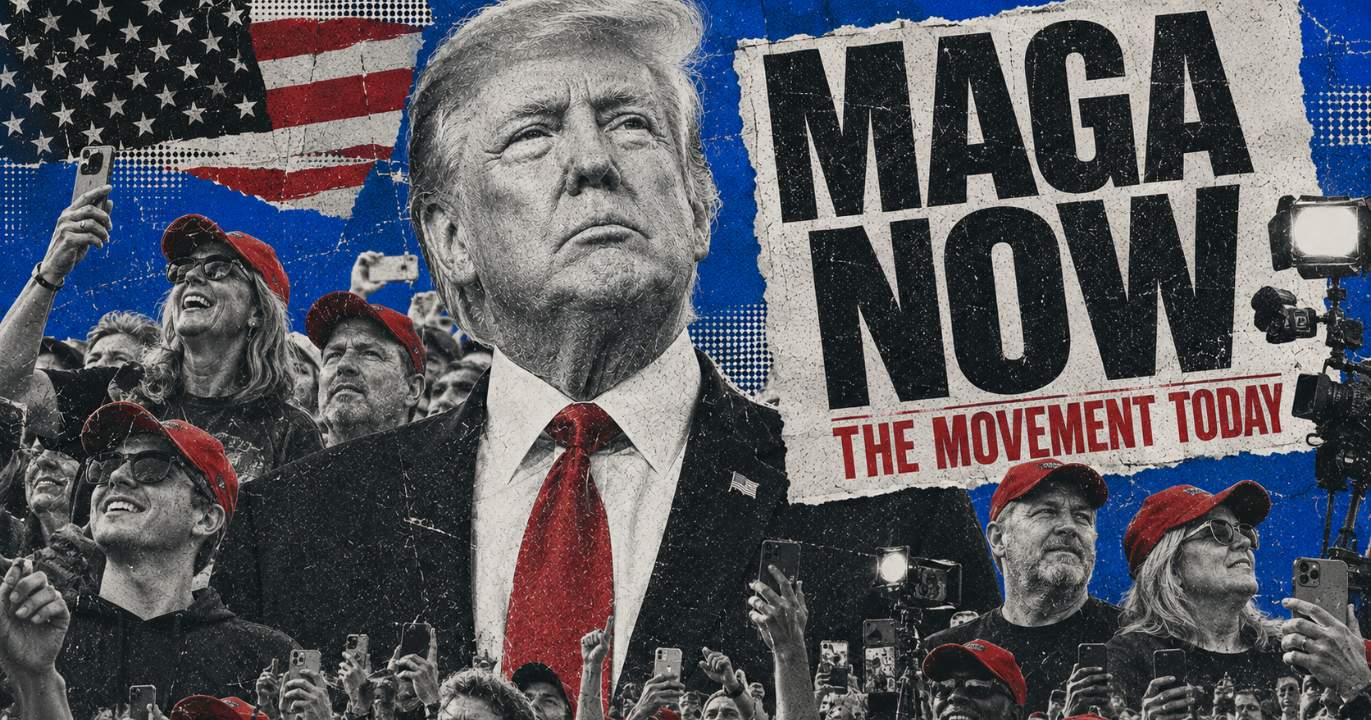
They hate the arch, but what they can’t stand is that it will bear his name
The Cultural Veto: When the Establishment Claims a Monopoly on Beauty
Their case against the planned 250-foot triumphal arch near Arlington National Cemetery isn’t just about engineering. It’s about a name. Their own will never be engraved anywhere. And yet, they judge. They evaluate.
They condemn. A monument commissioned by a president elected with 77 million votes, validated by an unambiguous democratic mandate. What the establishment calls “aesthetic aggression” is, at the ballot box, a popular verdict. The distinction deserves to be made. dispassionately.
No professional association demanded transparency regarding funding before criticizing the design. What is under attack is the architect’s signature style. Not the concrete. Not the budget.
A popular mandate against the tyranny of self-appointed experts
They have opinion columns, advisory committees, titles printed on cream-colored paper—and a cold rage against a president who dares to transform their capital as if it belonged to him. It does belong to him.
Not to them, not to their networks of subsidized foundations, nor to their conferences on aesthetic heritage, but to the people who voted. And let’s be clear: the estimates of 200 to 600 million refer to the ballroom, not the arch.
Opponents of the project invoke the sanctity of the site, historical continuity, and monumental coherence—an impeccable lexicon in the service of a single conviction: that certain people decide what is beautiful, what is legitimate, and what deserves to endure.
It doesn’t change anything.
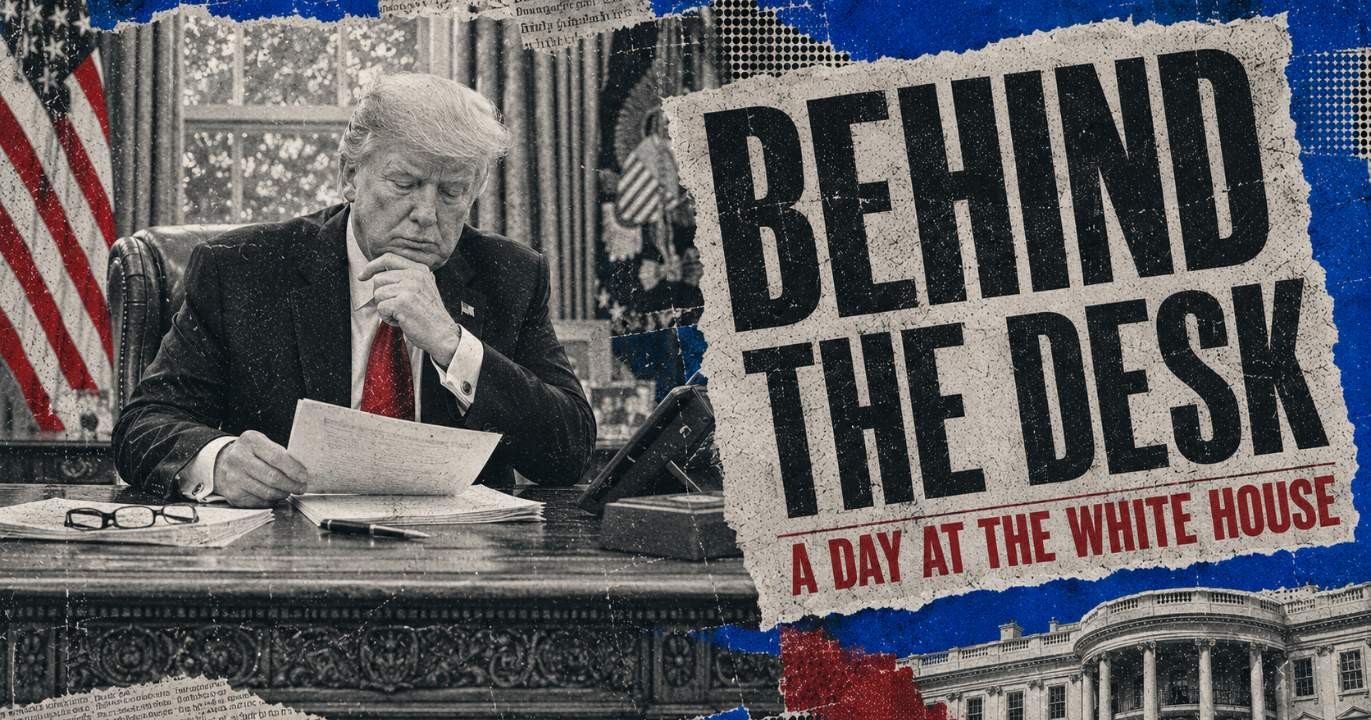
250 feet of marble to remind us who won in 2024
Height as a symbol: why the arch towers over the Lincoln Memorial
At 250 feet, the arch doesn’t just surpass the Lincoln Memorial in height. It looks down on it. This is no engineering accident: it’s a statement carved in marble and steel, addressed to all those who have lost elections since 2016.
Let’s be clear: no one ever demanded a referendum before laying the foundation for the Jefferson Memorial.
So let’s ask the question point-blank: if Lincoln has had the right to watch over the Mall for a century, why shouldn’t the mandate of 77 million voters be allowed to rise up as well? Height is not arrogance. It is clarity.
What bothers the establishment isn’t the stone. It’s the name engraved on it. Trump. Three syllables. A verdict.
The Lincoln Memorial weathered decades of controversy before becoming sacred, because time ultimately validated what it proclaimed. The arch, for its part, now asserts—right in the heart of the political and symbolic capital—that this presidency has no intention of justifying itself after the fact.
A vantage point to see Washington differently, far from the corridors of power
The experts who are up in arms over the arch aren’t speaking out for the sake of architecture. They’re speaking out because the marble is slipping from their grasp. Washington has long belonged to the elites who live there, the consultants who ply their trade there, and the commissions that reign there.
I’ll say it plainly: the 250-foot arch threatens no fundamental freedom. It threatens a symbolic territory long guarded by those who did not win the 2024 election. The distinction is crucial, and no one wants to hear it.
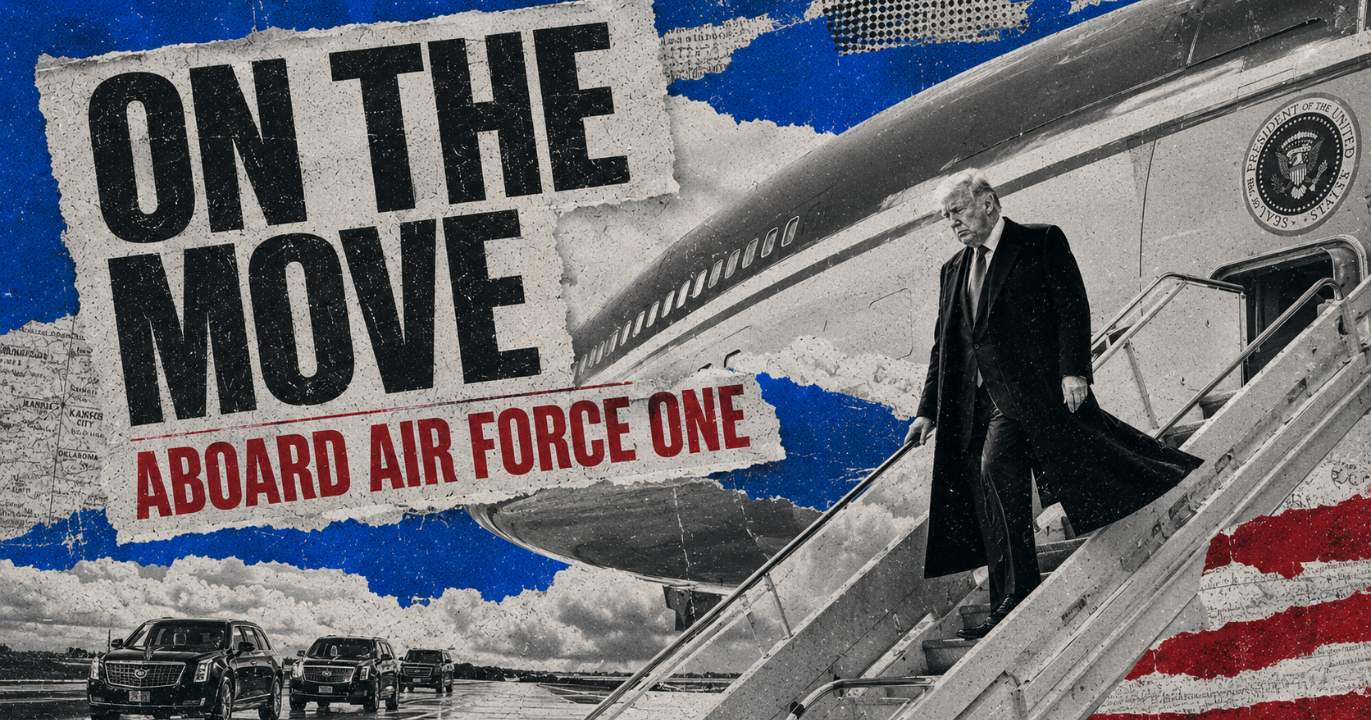
The $600 million ballroom: the real scandal isn’t the cost—it’s the silence
Transparency or opacity? What’s hidden behind public-private funding
On one hand, a brand-new ballroom where Washington’s elites will raise their glasses to $600 million, every chandelier paid for without a single elected official having to account for a single cent before a transparent committee.
On the other, veterans waiting for care, crumbling bridges, families counting every penny—while the same Congress looks the other way, and the budget turns into a black hole where opacity is the only rule.
The ballroom annex to the White House is no exception: initially announced at $200 million, it now hovers around $600 million according to estimates available in official records—a threefold increase for which no congressional committee has yet made the detailed accounting public.
This is not an accounting glitch. It’s the method.
Public-private financing has this characteristic: both parties can always point the finger at the other when a reporter asks a question that’s too specific.
What’s troubling isn’t the number itself, but what it hides. Behind every opaque budget allocation lies a decision that no one voted on—a project that is reshaping the skyline of a capital city.
A name that will be carved into the nation’s stone without citizens having had a say in the exact cost of that inscription. Rome, too, built on a grand scale.
The actual cost disappears along with the footnotes. That’s not transparency. It’s stone laid over a secret.
Why Trump’s Base Deserves Better Than a Blank Check
And yet, the base that carried Trump to victory—the one that voted against the establishment, against bureaucracy, against condescension—deserves a presidency whose legacy stands on its own without needing $600 million worth of explanations.
The lack of transparency regarding the ballroom’s funding is not a technicality. It is the point at which trust breaks down.
A base that gave everything—its voice, its conviction, its legitimate anger against a class that despised it—cannot be left without an answer when costs double, then triple, out of public view.

Washington Burns Its Idols: Trump’s Clean Slate as a Democratic Act
Purging cultural institutions: a promise kept, an electorate heard
A clear verdict: when 77 million votes gave a mandate for upheaval, it is the establishment that betrays democracy by crying sacrilege—not the president who carries out that mandate.
The 47th president has broken that unspoken contract. He said he would. He did it. That’s what you call a promise kept.
It’s not the change that weighs heavily. It’s the silence that follows. Federal museums are no longer abuzz with the same internal squabbles.
What the chorus of critics carefully avoids mentioning is this: rural, working-class America—ignored by these institutions for decades—was never consulted on their agenda either.
The redesigned National Mall: when history is rewritten before our eyes
Since January 20, 2025, the 47th president has been applying this logic to stone, concrete, and public space itself—and the guardians of symbolic capital are discovering, too late, that they never held the keys.
What official rhetoric calls “disruption of the historical fabric” is called something else by the 77 million voters: recognition. Not a frozen museum.
It mourns its monopoly over history. That’s not the same thing. And this distinction—a lasting one—will not fade away with the next election.

The American version of the Arc de Triomphe: a necessary provocation
Why Paris Has Its Arc and Washington Doesn’t Dare
What experts call “aesthetic aggression,” 77 million voters called a mandate. The arch is not 250 feet of stone; it measures the gap between Washington and those it claims to represent. That is the real affront.
The gilded Lady Liberty: a nod to the America that Trump wants to restore
What do we do with a country that has forgotten who it is? No one wants to ask the question out loud. So I’ll ask it.
The original Statue of Liberty had broken chains at her feet, a detail that official history has long downplayed. Trump is repainting her gold. This isn’t vandalism—it’s a declaration of intent.
The America he wants to restore is one of overt triumph, not silent repentance. Empires have never built their arches to ask for forgiveness. They built them to say, “Here we are.” Washington will understand, one way or another.
It is not Trump who will remain controversial in the centuries to come—it is the idea that a popularly elected leader would not have the right to leave a mark in the stone of his own capital.

The experts are up in arms, but who elected them?
Good taste as a political weapon: how the elite muzzles the will of the people
Washington isn’t burning. It’s shrinking.
What they’re defending isn’t heritage. It’s the privilege of deciding on behalf of the 77 million who voted for this specific transformation, this specific city, this specific name carved in stone. The marble is jarring.
And yet, the mandate itself shocks no one in the circles that matter—because the mandate is something people prefer to forget.
Architects and historians: the new guardians of a temple they did not build
The architects and historians who denounce the planned 250-foot monumental arch near Arlington National Cemetery speak with the authority of those in the know—but they have no electoral veto power.
Washington’s transformation was not commissioned in an academic journal. It was approved at the ballot box by 77 million voters who never asked the experts for permission to decide what their capital should look like.
And now that an elected president has decided otherwise, their outcry sounds less like a civic alarm and more like a wounded ego. The arch may or may not be built—but the experts’ clamor will have changed nothing. That much remains.
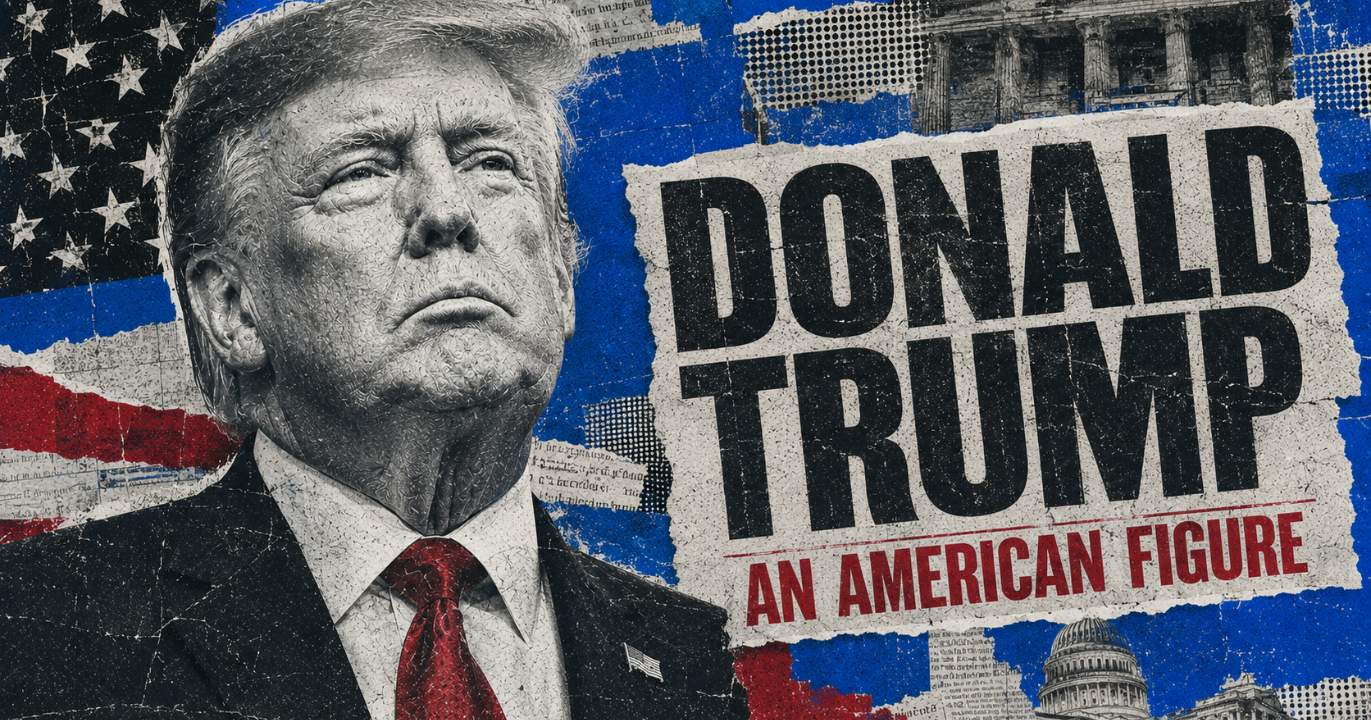
A subway, a crumpled ticket, and rising anger
What the average American sees when he looks up at the National Mall
The sun beats down on the marble of the National Mall, and in the heavy July air, a guy in a MAGA T-shirt clutches his crumpled subway ticket between his sweaty fingers—he’s just paid ten bucks for a ride that reeks of sweat and cheap disinfectant, but up there, Trump’s arch stands as a concrete response to twenty years of elite contempt: finally, a monument that doesn’t whisper, but screams that the people have reclaimed their place, and that the experts spewing their venom in the pages of The Post can go to hell with their cardboard rules of propriety.
It demanded that power be visible, that victory occupy the physical space that has always been denied to it. The experts hate the arch. What they can’t stand is the name engraved on it.
Why Trump’s arch speaks to those Washington has forgotten
Washington has never belonged to them. Not to them—the blue-collar workers of Pennsylvania, the truck drivers of Ohio, those who have never set foot at a Smithsonian gala or a reception on Capitol Hill.
What the establishment calls an aesthetic assault, they call “at last.” At last, someone is carving something into marble that isn’t the hushed glory of technocrats in gray suits.
Architects whose offices line the National Mall. People who haven’t lost an election in decades. The 2025 mandate has brought this question back to the forefront. The arch will remain. The debate, however, is far from over.
What Trump planted in the ground of the capital is a claim—and claims, unlike press releases, aren’t easily torn down.

The War of Stones: When Aesthetics Becomes a Battlefield
Columns, pediments, and height: the codes of a power that is reinventing itself
What if these columns, these pediments, this height—which scandalize architectural circles—were not a provocation, but the most honest answer to a question no one dares ask: Who does Washington really belong to—the experts who whisper at galas, or the citizens who pay for its stones and elect those who carve them?
What experts call an “aesthetic assault,” the masses call a sense of belonging. Capital has always spoken through stone—the Romans knew it, Jefferson knew it. The question isn’t whether a president has the right to leave his mark on his era.
What remains, once the press releases have run their course, is the silence surrounding a cost—anywhere from $200 million to $600 million according to the latest estimates—that no one in the opposition put such a high price tag on when the same Congress was funding more discreet renovations.
Why the establishment prefers ruins to a monument that causes a stir
The architecture and urban planning experts summoned to the committees, the Washington Post editorialists, the Washington heritage preservationists—they all possess impeccable taste and a total inability to articulate their true grievance.
And yet, the mandate exists. 77 million voters endorsed a presidency that promised to rewrite Washington—not just its policies, but its very fabric. The establishment prefers battles over policy issues, drawn-out procedures, and committees that bury proposals.
What it cannot tolerate is speed. A 250-foot arch. Visible. Permanent. Impossible to erase by a change in the majority. The uncomfortable truth: ruins left to age don’t bother anyone.
It’s the new structure that forces us to look at who governed. The case remains open. The name, however, remains fixed.

Trump builds, Washington weeps: the clash of legitimacies
Popular Mandate vs. Cultural Veto: Who Decides a Nation’s Beauty?
On one side, the urban planners’ black-ink sketches—clean lines, calculated shadows, captions in Garamond font—“heritage coherence,” “neoclassical harmony,” “collective memory”; on the other, dump trucks unloading blocks of pink marble amid the shouts of workers in MAGA helmets, the setting sun setting the arch under construction ablaze, families waving flags and chanting “Finally, it’s ours!
,” while the same experts, stationed behind velvet barricades, murmur “state vandalism” between sips of artisanal latte.
The 250-foot triumphal arch comes as no surprise—it is the fulfillment of a plan. What design experts denounce as an aesthetic desecration, the general public sees as a restoration. Two interpretations of the same concrete.
The very same institutions that allowed entire neighborhoods of the capital to fall into disrepair for decades are suddenly claiming a monopoly on beauty. The cost of the transformation—from 200 million to potentially 600 million—is a legitimate question.
But the question of who decides a nation’s identity is older than architecture. It’s called politics. And politics, in 2025, has made its decision.
Why Trump’s Arch Is a Test for American Democracy
Here’s where we stand: a 250-foot triumphal arch stands near the Lincoln Memorial, and what outrages the Washington establishment isn’t the steel or the concrete—it’s the name engraved on it. Trump.
Democracy has a simple test: does it hold even when you don’t like the result? Congress authorized it. Institutional procedures ran their course. What remains is rage—and rage is not proof of injustice.
But the cultural elites who mourn the aesthetics of Washington weren’t crying when other costly projects were clogging up the congressional agenda without anyone demanding the figures. Selective silence is a stance. The arc will endure.
What it reveals about those who reject it will also endure—this enduring inability to accept that a democratic mandate might bear a name they detest. That is the test. And they have failed it.

What if the arc were the last bastion against oblivion?
A monument to those forgotten by official history
This sandstone monument planted in the heart of Washington is no whim; it is a testament: when the elites erase the presidents they detest, the stones, for their part, never lie—and that is what drives them mad.
What the triumphal arch heralds is not yesterday. It is tomorrow—permanence carved into Washington’s sandstone before anyone had time to negotiate.
Concrete, however, remains. In a hundred years, the arch will still be there. The indignant commentators, no. What Washington will remember about this presidency won’t be decided in committee—it will be measured in feet of stone towering over the Mall.
Why carving Trump into marble is carving an era
Carving Trump into Washington means carving forty years of elites who decided—in place of 77 million people—what deserved to be beautiful, what deserved to be grand, what deserved to exist in public stone. The arch rises 250 feet.
It towers over the Lincoln Memorial—not to overshadow Lincoln, but to tell those who have governed since 2016 while looking the other way that the people’s mandate does not disappear simply because it is ignored. Washington burned in 1814. The British did not succeed.
Nor will this project be erased by a decree of “good taste.”
What architectural experts don’t want to hear is the question that freezes the air in the room: Who decided beforehand what would be engraved, and on whose behalf?
The cost has risen from 200 million to nearly 600 million—it’s real, it’s significant, and it’s a demand for transparency that Trump’s base deserves. The unvarnished truth. But the establishment’s fury isn’t about the cost.
It’s about the name. About the unbearable idea that this era—noisy, uneven, unyielding—might be inscribed in the capital just like all the others. Every era leaves a mark. So does this one. Marble doesn’t lie.

Conclusion: The Bow That Shatters the Silence
Washington trembles, Trump signs
A permit denied. A dinner in Georgetown where people whisper without daring to look up. In between, a president draws a 250-foot line across the sky—and those who should be defending him are hiding.
Do you want a country that’s on the move?
Ultimately, analysis does nothing to ease the discomfort: Trump is rewriting Washington with a nonchalance that forces everyone to draw their own red line—and perhaps that was the real challenge, the one we didn’t see coming.
And you—what would you have refused to let slide?
ANALYSIS: Trump Is Reshaping Washington: What If That’s His Right?
This content was created with the help of AI.


