

Two Hours That Shifted a Border
The Night Washington Stopped Making Threats
On January 3, 2026, the United States did not add another sanction to the pile. It struck in Venezuela, captured Nicolás Maduro and Cilia Flores, and then transferred them to New York. Secretary of State Marco Rubio summed up the U.S. presence on the ground in a timeframe almost obscene in its brevity: about two hours.
The fait accompli as a doctrine
Maduro was not innocent simply because he was captured
A tyrant does not magically become a martyr
Nicolás Maduro did not win the 2024 election simply because a U.S. operation eventually seized him. The available results indicated a victory for opposition candidate Edmundo González, following the disqualification of María Corina Machado. The regime responded with a lockdown, exile, imprisonment, and forced continuity.
An indictment is not a conviction
Military precision does not justify the decision
A limited strike, not all-out war
The clarity of maps, the chaos of reality
But a satellite image doesn’t hear anyone. The CSIS estimated approximately 75 deaths, including 32 Cuban guards, and identified two civilians among the known victims. This toll remained incomplete. The UN reported Venezuelan claims of civilian and military deaths without providing a verified total.
This uncertainty must remain visible. It precludes both inflated figures and miraculously “clean” casualty counts. A strike may be surgical in its design yet leave lives on the ground—lives that no one asked to become the price of a new hemispheric doctrine.
The word “police” worn by soldiers
The phrase that attempts to shut down the debate
At the UN, the United States rejected the word “war.” In Washington, Rubio argued that this was neither an invasion nor a prolonged military operation, but an arrest. The choice of words is clever: if it is merely a police matter, the question of authorization for war seems to lose its purpose.
The Noriega Precedent and the Temptation to Copy and Paste
Congress Watches as the Executive Branch Takes Action
A war without the word “war”
On January 8, the Senate introduced a resolution to withdraw U.S. forces from unauthorized hostilities in Venezuela. The very need for this vote reveals the crux of the matter. If no hostilities existed, why invoke war powers? If they did exist, why hadn’t Congress authorized the action before it overthrew a country’s government?
Efficiency as a Constitutional Anesthetic
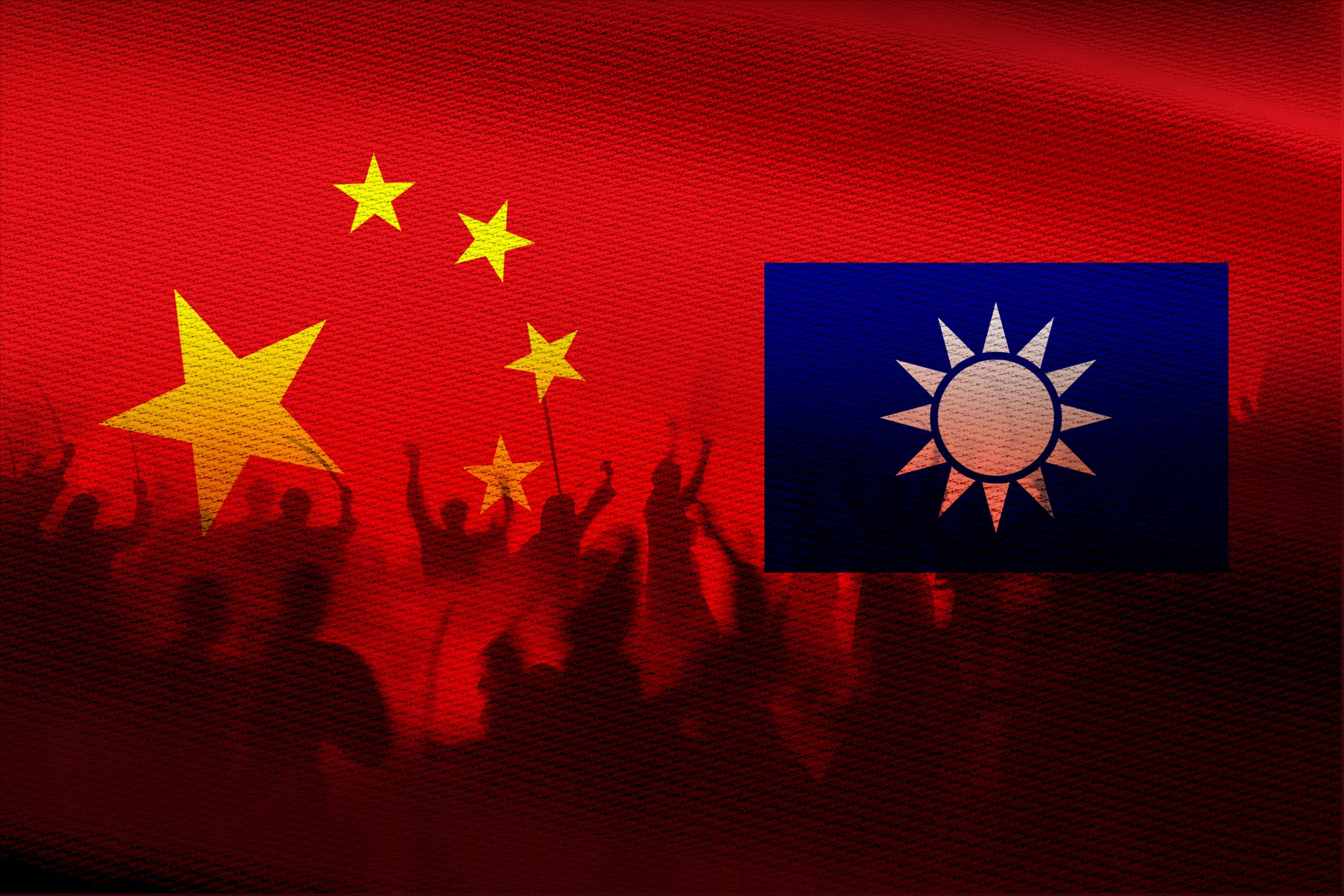
The United Nations Charter is not merely decorative
A Divided Chamber, an Intact Rule
The mirror Beijing and Moscow were waiting for
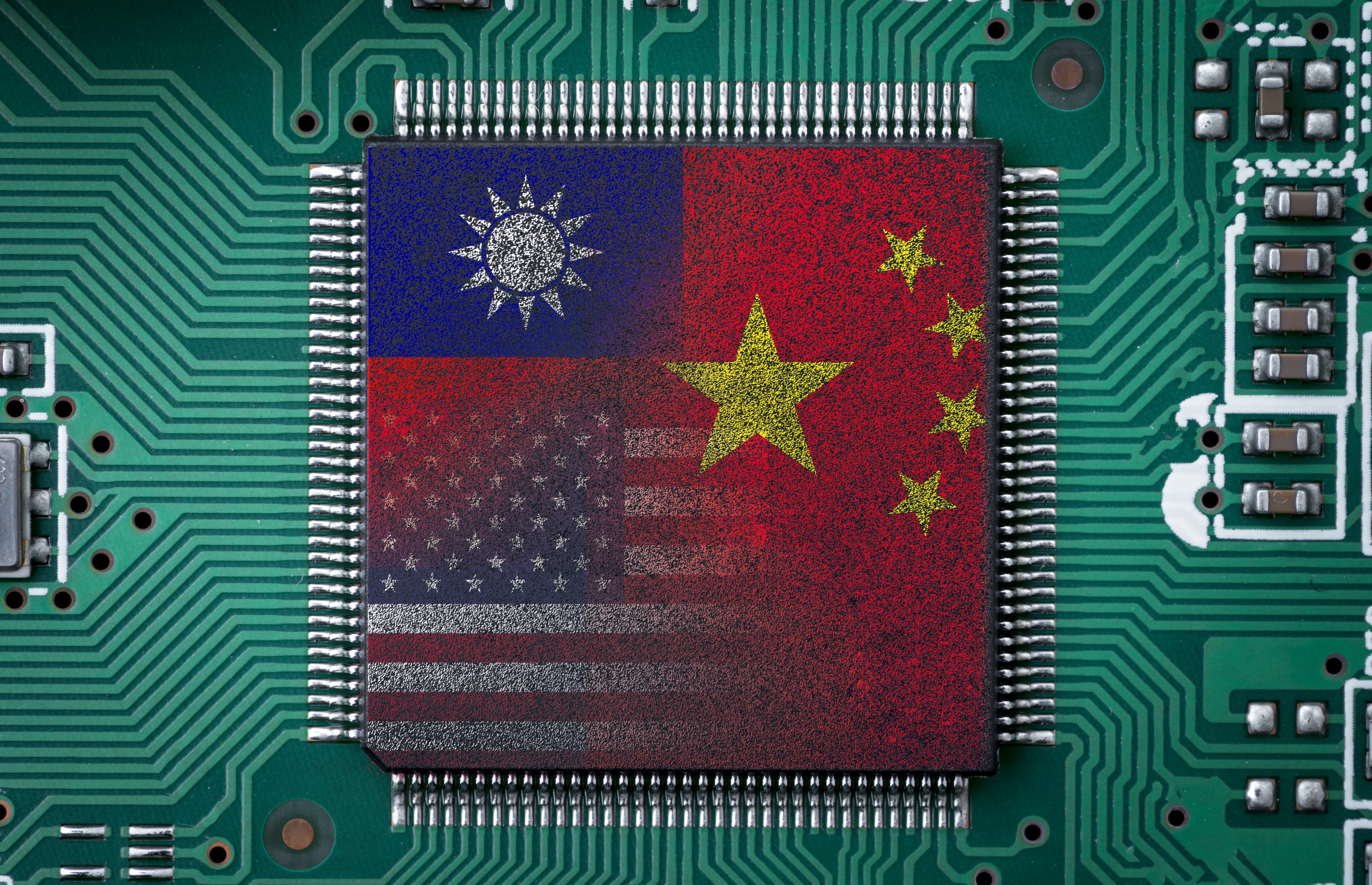
“Our hemisphere”: four words that carry the weight of a continent
The “Backyard” Doctrine
The White House put it bluntly: “our hemisphere.” Rubio said that Washington would tolerate neither traffickers, nor an Iranian presence, nor Hezbollah, nor hostile powers capable of exploiting the region’s resources. Strategically, the logic is clear. The United States refuses to allow an adversary to establish a foothold near its borders.
But Latin America is not a backyard, and its peoples are not strategic pawns to be moved around according to Washington’s needs. Security rhetoric may identify a real threat. It may also reawaken a century of interventions, coups, and suspended sovereignty.
Legitimate Security, Tempting Domination
It would be naïve to deny the existence of Iranian networks, drug trafficking routes, or Moscow’s and Beijing’s interest in Venezuela. Great powers exploit vulnerabilities. Trump is right to treat the hemisphere as a vital strategic space rather than as a distant backdrop.
Oil Enters the Room
The word no one can take back
Venezuela holds the world’s largest proven oil reserves. Trump has spoken of U.S. control over the industry, of sanctioned oil being returned to the United States, and of rebuilding the sector. Rubio has promised to maintain an “oil quarantine” until Caracas meets U.S. demands.
A resource does not vote
The Venezuelan people did not have to wait for Maduro’s downfall to discover that their resources could enrich a regime rather than improve their lives. Replacing internal confiscation with external control would not be a rebirth. It would be a change of hands on the same handle.
The void bears the name of Delcy Rodríguez
Continuity After the Takeover
After Maduro, Delcy Rodríguez served as interim president. She was at the heart of the previous regime and remained subject to U.S. sanctions. Trump said she seemed willing to do what Washington deemed necessary, while warning her of a very high price if she refused to cooperate.
The Opposition Left Out in the Cold
Edmundo González, whom the 2024 results placed ahead of Maduro, remained in exile. María Corina Machado, barred from running and then forced to leave the country, supported the U.S. action. Yet Trump publicly questioned her ability to govern ahead of an announced meeting with her.
A transition without a plan is an empty promise
“We will lead”
Three Futures, None Guaranteed
Every armed actor protects their interests. Every dignitary calculates their survival. Every opponent weighs the risk of returning. And every Venezuelan family must carry on while the powerful debate the word “transition” as if it were a bridge already built.
Civilians Pay the Price Before Lawyers Do
A Still Incomplete Death Toll
A brief war has a long-lasting impact
Even without a permanent occupation, the pressure continues: seizures of sanctioned vessels, targeting of ships accused of transporting drugs, an oil embargo, and the threat of “other measures.” The two-hour operation is thus part of a much longer-term strategy.
Trump was right about one thing
Patience was no longer a strategy
The sanctions imposed during Trump’s first term had not brought about a change in power. Nor had the Biden administration’s negotiated approach. Maduro had survived the statements, the ultimatums, the isolation, and the elections—which he had rendered meaningless. Continuing in exactly the same way was not a policy. It was a habit.
Trump understood that Maduro’s impunity also rested on the belief that no one would follow through on the threat. By shattering that belief, he created real leverage. Political prisoners, the opposition, and the security apparatus no longer view the balance of power in the same way.
Courage does not excuse recklessness
The West cannot become what it is fighting against
The Test of Consistency
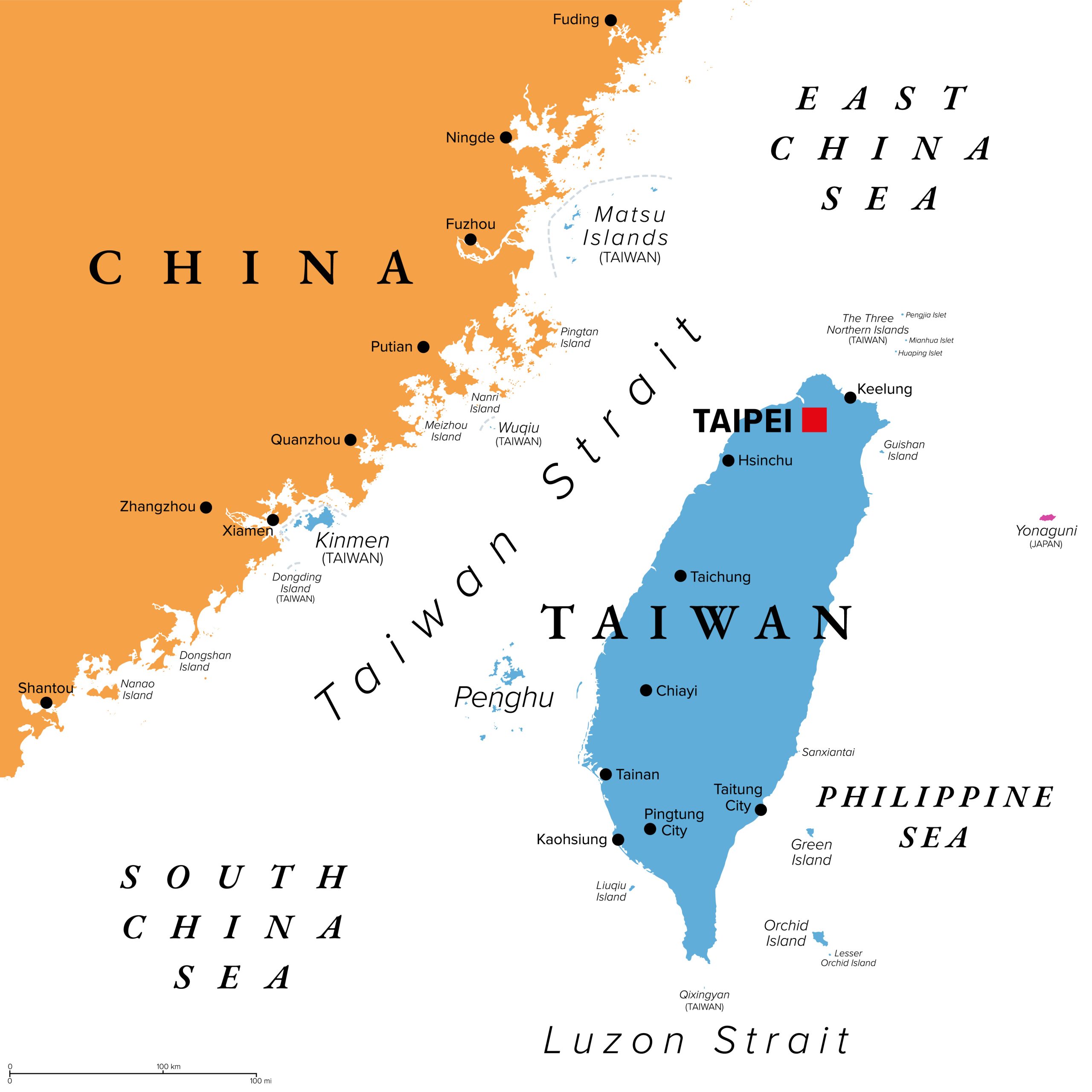
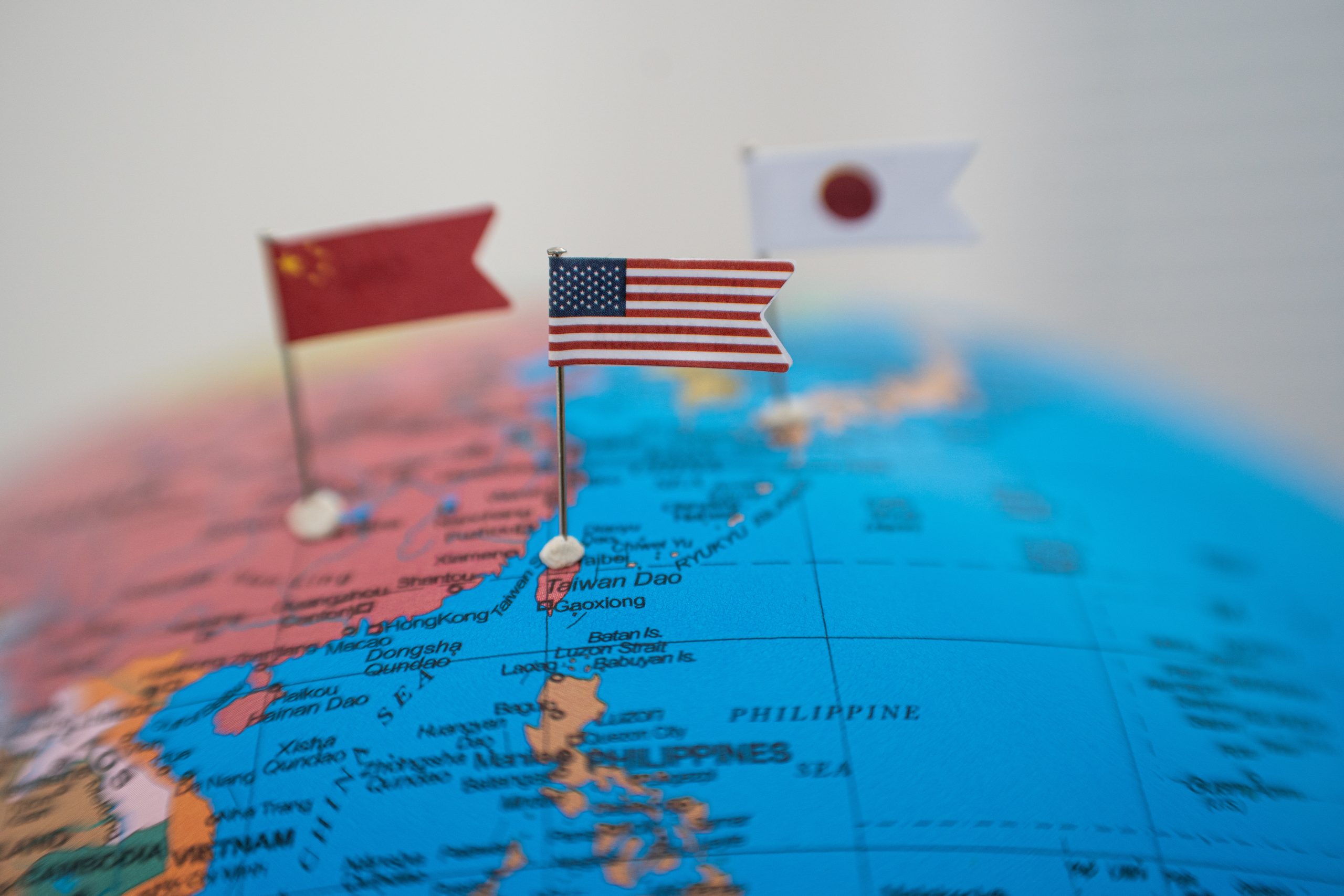
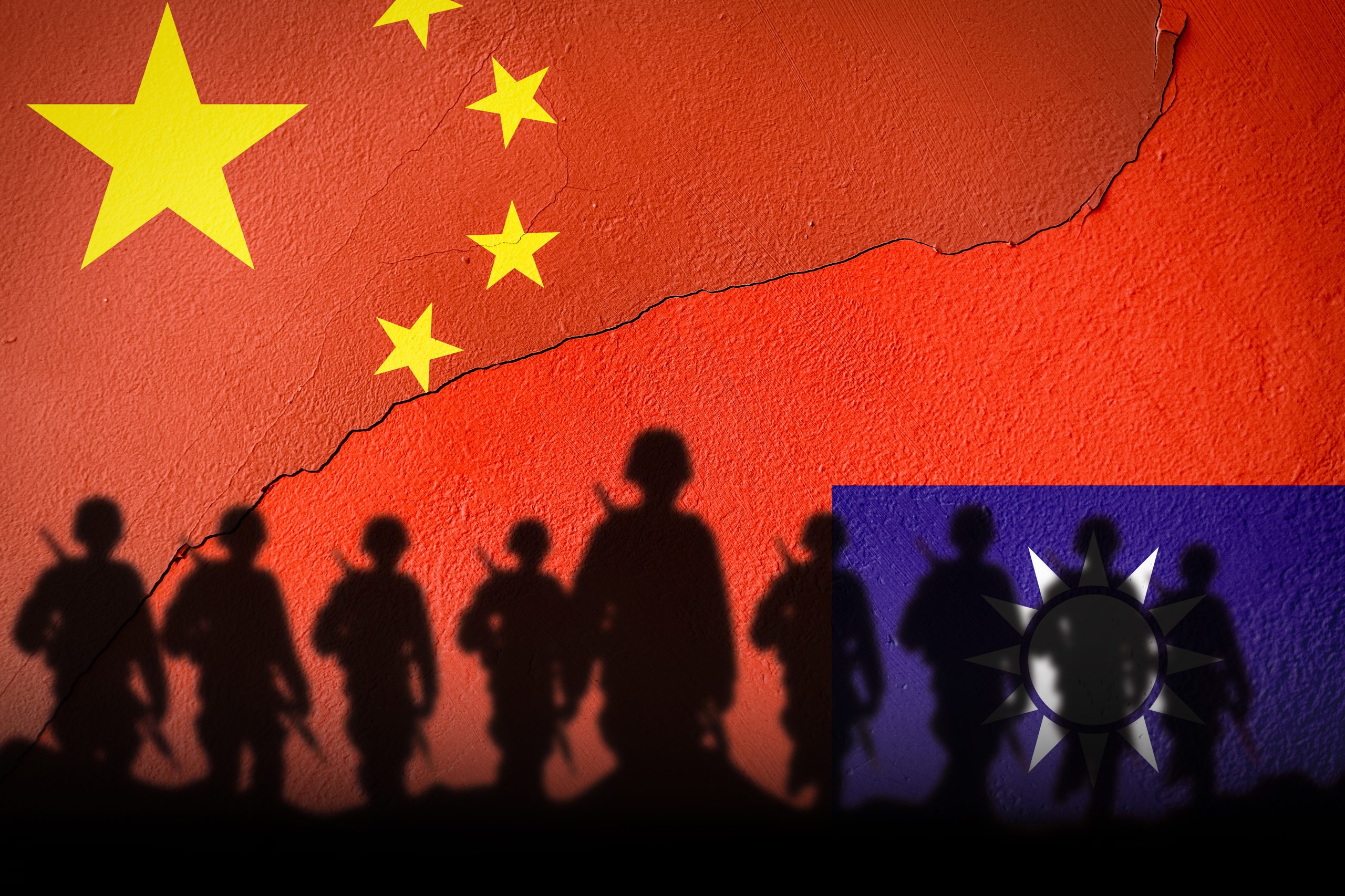
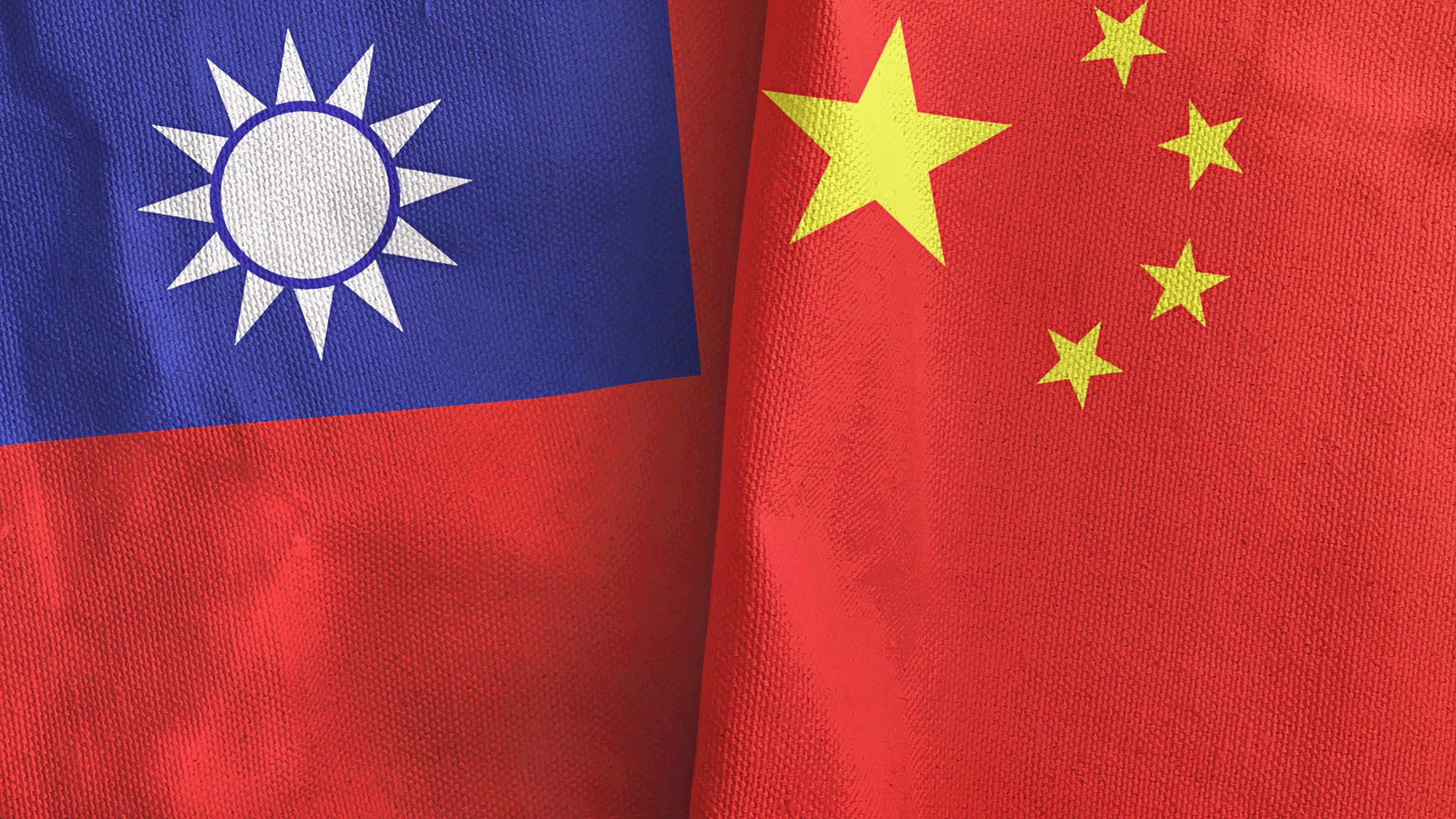
We support Ukraine because a great power has no right to reshape its neighbor’s destiny by force. We defend Taiwan because its people must not become the pawns of imperial calculations. These principles cannot stop at the gates of Latin America.
A distinction must be made
Maduro is not Zelensky. Venezuela in 2026 is not Ukraine in 2022. The facts, the regimes, the mandates, and the alliances differ profoundly. But the West’s moral distinction cannot depend solely on the odious nature of the one who falls.
What Washington Must Now Prove
Written limits, not promises
Power Returned to the Venezuelan People
After Maduro, the real judgment begins
An arrest does not settle anything
January 3 did not end Venezuela’s story; it merely removed the man behind whom everyone else could hide their responsibility. From now on, every delay will have a name. Every prison closed will have someone held accountable. Every barrel of oil diverted will contradict the promise of liberation.
Two hours, then years
Two hours. That’s the refrain Washington loves because it speaks of control, speed, and daring. But a country cannot be mended in the time it takes to carry out a raid. Destroyed trust does not return with the aircraft bringing the soldiers home.
I do not mourn Maduro’s political downfall. I fear a world where his authoritarian nature alone would be enough to erase all boundaries. American power is indispensable when it protects the West. It becomes dangerous when it considers itself the West all on its own.
Columnist’s Transparency Statement
Editorial Stance
Methodology and Sources
This text respects the fundamental distinction between verified facts and interpretive analysis. The methodological rule is consistent: factual information is published only if it is supported by a verifiable source, and the sources actually used in this article are listed under “Sources,” never here.
When an article cites statistical, economic, or geopolitical data, it comes from data-producing institutions (intergovernmental organizations, central banks, national statistical institutes), and the specific institution is listed under “Sources.”
Nature of the Analysis
ANALYSIS: After Maduro, the U.S. on the Brink of a Precedent
This content was created with the help of AI.


