Skip to content

5:59

A missile launches from Wonsan

On August 12, 2026, at approximately 5:59 a.m., North Korea launched at least one ballistic missile from its eastern coast.

The Japanese Ministry of Defense estimated that it traveled approximately 690 kilometers, reached a maximum altitude of about 90 kilometers, and then fell into the Sea of Japan, outside Japan’s exclusive economic zone.

South Korea measured a flight distance of more than 700 kilometers. It did not immediately identify the exact model. Pyongyang, for its part, did not immediately confirm the launch.

The fact lies in the trajectory. The danger lies in what it does not reveal: what kind of weapon, what mission, what next threshold, and what political intention lies behind the choice of this specific time.

Official calm

No damage to any aircraft or vessel had been reported. The U.S. Pacific Command assessed that the event posed no immediate threat to U.S. personnel or territory, nor to its allies.

This statement is rightly reassuring in the moment. It cannot be reassuring when viewed as part of a pattern.

The missile fell. The question, however, remains in the air.

Sept cents kilomètres
Adobe Stock

Seven hundred kilometers

The number as a political radius

Seven hundred kilometers do not merely describe a distance. They delineate a space within which capitals, bases, ports, ships, and millions of lives must be factored into North Korea’s calculations.

Ballistic missiles with a range between 300 and 1,000 kilometers are generally classified as short-range. The word “short” belongs to military lexicon. It offers no comfort to those living within that radius.

On this scale, the speed of decision-making matters as much as the weapon’s power. Authorities have only minutes to detect, classify, report, and decide whether a launch is a test, a message, or the beginning of something else.

The military range shrinks the region. It brings Wonsan closer to every command center and transforms geographical distance into political time that is virtually nonexistent.

What the Number Does Not Prove

The observed range alone does not reveal the payload, accuracy, terminal trajectory, or operational objective.

Nor does it prove that the projectile was a KN-23, a hypersonic missile, or a submarine-launched system. Experts have raised various possibilities. Authorities were continuing their analysis.

Seven hundred kilometers is a fact. Anything else they are made to admit must remain a hypothesis.

Le calendrier est une arme
Adobe Stock

The Timeline Is a Weapon

Five Days Before Ulchi Freedom Shield

The launch occurred five days before the scheduled start of Ulchi Freedom Shield, the annual military exercise between South Korea and the United States, announced for August 17–27.

Seoul and Washington characterize these maneuvers as defensive, intended to maintain the alliance’s readiness in the face of North Korea’s evolving capabilities.

Pyongyang has long denounced them as rehearsals for invasion. This divergence is not merely symbolic. It shapes the cycle: allied exercise, North Korean condemnation, military demonstration, and a tightening of the allied posture.

Even if technical requirements had necessitated a test, the timing remains a political decision. A timeline can convey a message without an official statement acknowledging it.

The Causality No One Can Claim

North Korea has provided no official explanation establishing that the launch was a response to the exercises.

Some analysts consider the link likely or at least partial. Others point out that Pyongyang is following a development program with its own imperatives.

The pretext and the program can coexist. This is what makes coercion harder to decipher—and therefore more effective.
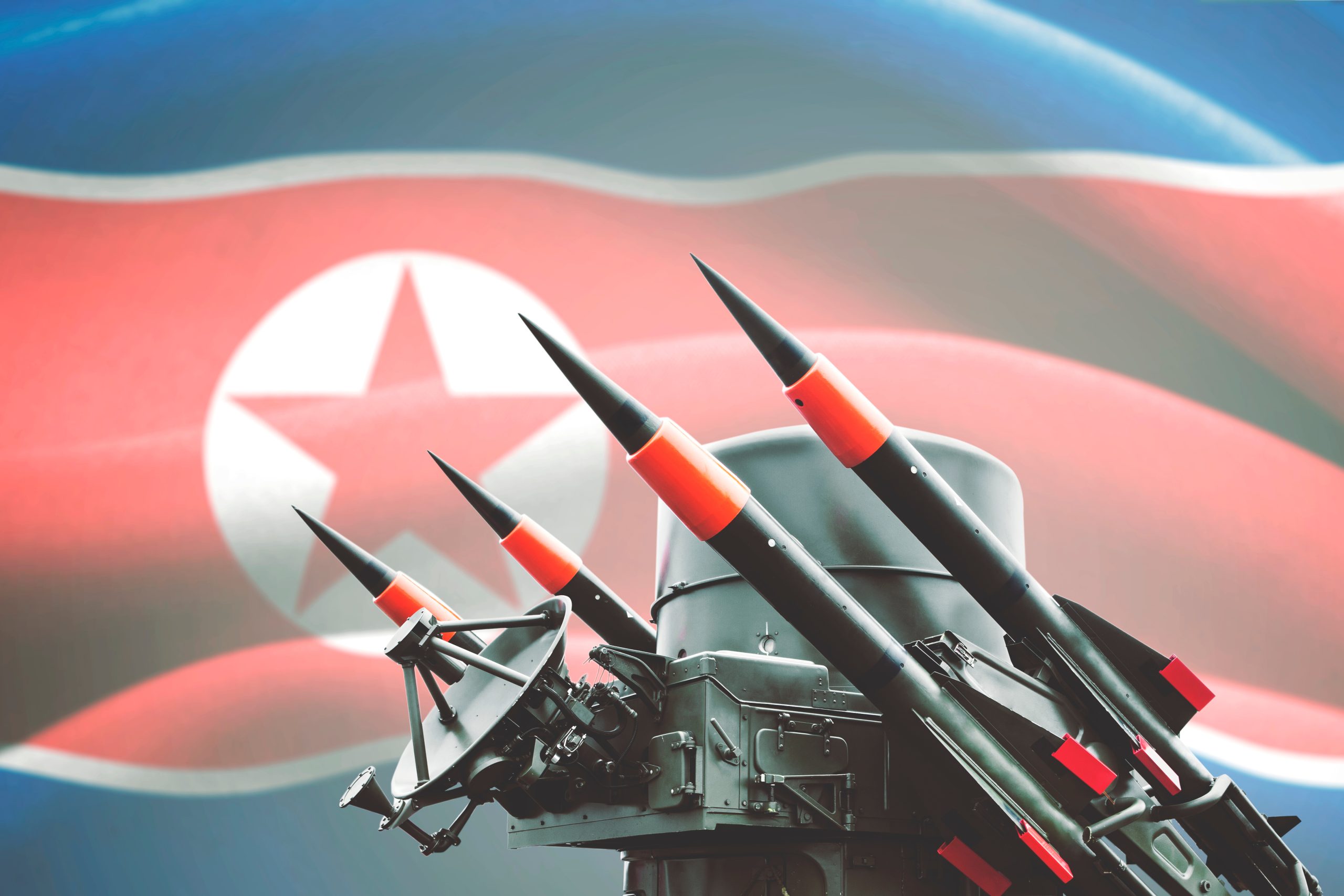
Le deuxième tir en six jours
Adobe Stock

The second launch in six days

Repetition changes the nature of the event

On August 6, another ballistic missile was launched from the Wonsan area. South Korean, Japanese, and U.S. authorities detected it.

Six days later, another launch took place from the same area.

An isolated test can be presented as a technical milestone. Two launches in quick succession establish a rhythm. They force allied systems to monitor not only a trajectory but also a capacity for repetition.

Deterrence does not falter because a radar stops detecting a target. It falter when each alert resembles the previous one enough to become almost routine.

The Eleventh Alleged Test

According to the South Korean assessment, the August 12 launch constituted the eleventh suspected North Korean ballistic missile test in 2026.

This count does not mean that eleven attacks have taken place. It means that a program prohibited by Security Council resolutions continues to learn, test, and signal.

Repetition does not eliminate the risk. It cloaks it in routine.

Dissuader quoi, exactement?
Adobe Stock

Deter what, exactly?

Preventing an attack

Allied deterrence first and foremost pursues a fundamental promise: to convince North Korea that an attack on South Korea, Japan, or U.S. forces would entail an unbearable cost.

This promise relies on conventional forces, the U.S. presence, missile defense, shared intelligence, and, in the background, the U.S. nuclear guarantee.

In this regard, the August 12 launch does not prove a failure. It was not an attack on an allied target, and authorities indicated that it posed no immediate threat.

But deterrence is not judged solely by the day war breaks out. It is also judged by everything the adversary learns to do without starting one.

Preventing Normalization

Pyongyang can test, refine, and politicize its weapons while remaining below the threshold of an open attack.

Allies can protest, monitor, and train without choosing to escalate. This balance prevents the worst from happening. It also allows North Korea’s program to advance within the narrow space between condemnation and war.
Deterrence protects peace. It does not guarantee that the threat will remain static.

Le triangle qui doit voir ensemble
Adobe Stock

The Triangle That Must Work Together

Seoul, Tokyo, Washington

South Korea, Japan, and the United States shared information about the launch. This cooperation is one of the most concrete results of the pressure on North Korea.

A missile does not respect historical rivalries or diplomatic sensitivities. Its trajectory requires a common operational language: time, azimuth, altitude, distance, and point of impact.

The faster and more precise this language is, the less Pyongyang can exploit the blind spots between allies.

The first layer of deterrence isn’t spectacular. It’s the ability of three governments to focus on the same point and interpret it in the same way quickly enough.

The Politics Behind the Radar
Technical sharing does not eliminate strategic differences. Seoul thinks first and foremost of the peninsula. Tokyo also thinks of its archipelago, its ships, and the evolution of flight paths. Washington thinks of the regional credibility of all its guarantees.

Cohesion therefore requires more than just data. It requires that each ally believe the other two will not negotiate its security separately.

A shared radar detects a missile. Shared trust prevents that missile from dividing those it aims to intimidate.

Le Japon dans le rayon
Adobe Stock

Japan Within Range

Outside the EEZ does not mean outside the problem

The projectile landed outside Japan’s exclusive economic zone. No damage was reported.

That is the factual good news. It does not diminish the strategic gravity of a trajectory headed toward the Sea of Japan.

Tokyo protested through its embassy in Beijing and condemned the launch. Defense Minister Shinjiro Koizumi described it as a threat to the peace and security of Japan, the region, and the international community.

Landing outside the protected zone does not negate the message. Rather, it demonstrates the capability to approach it, skirt along its edge, and do so again without provoking a military response.

A Threat Deemed More Serious

Japan’s 2026 Defense White Paper describes North Korean military activities as a more serious and imminent threat than ever before to Japan’s national security.
The document assesses that Pyongyang possesses the technological capability to mount a nuclear warhead on ballistic missiles with a range covering the archipelago.

Japan is not watching a projectile fall into the sea. It is watching a threat architecture that is learning to choose its ranges.

L’ambiguïté du missile
Adobe Stock

The Ambiguity of the Missile

Short Range, Long Consequences

The observed distance corresponds to the general category of short-range ballistic missiles. However, the South Korean Joint Chiefs of Staff did not immediately classify the projectile as such.

Japan’s estimated altitude, the trajectory, the launch site, and the lack of confirmation from North Korea have fueled several hypotheses.

The analytical task is to keep these hypotheses in their proper place. North Korea’s program includes missiles with irregular trajectories and continues to develop so-called hypersonic systems, but this context does not automatically make the August 12 launch proof of either.

Ambiguity is not a weakness of the test. It may, in fact, be its intended purpose: to force the adversary to devote time, sensors, and attention to multiple possible threats.

Intelligence as a Battlefield

Every piece of data collected helps the allies understand the missile. Every allied reaction also helps Pyongyang understand what its launch reveals.

Testing a weapon sometimes means testing the system that monitors it.

The missile travels through the air. The true assessment flows both ways.

Les exercices comme assurance
Adobe Stock

Exercises as Assurance

Why the Allies Train

Ulchi Freedom Shield exists because an alliance that promises to fight together must learn to decide, communicate, and operate together before a crisis strikes.

The exercise announced for August 17 was scheduled to last eleven days and involve approximately 18,000 South Korean troops, in addition to U.S. forces. This scale naturally draws Pyongyang’s attention. However, it does not transform an announced training exercise into an attack. A coalition that never rehearses its procedures will discover them under fire, at a time when every delay becomes a vulnerability.

The challenge, therefore, is not to pretend that these maneuvers are invisible or politically neutral. It is to distinguish between defensive preparation and armed coercion. The former outlines a timeline, participants, and a framework. The latter launches without revealing the exact type of weapon or the intent behind its trajectory.

Exercises serve to test chains of command, responses to complex attacks, and coordination among forces.

Reducing them to mere provocation amounts to adopting Pyongyang’s rhetoric. Presenting them as having no political impact, however, ignores the fact that a major military maneuver is also a signal.

An exercise can be defensive in its objective and powerful in its message. Recognizing both does not mean yielding to North Korea’s narrative. It means thinking seriously.

Transparency as a Distinguishing Factor

Seoul and Washington announce the dates, partners, and general nature of their exercises. This transparency does not convince Pyongyang, but it creates a crucial distinction between an alliance that explains its training and a regime that leaves uncertainty hanging over its missile launches.

This distinction must be maintained, not merely proclaimed. The allies have an interest in explaining what they are defending, in calibrating each demonstration of force, and in preserving crisis communication channels—not to ask Kim Jong-un for permission, but to prevent their own firmness from providing the regime with the caricature it thrives on.
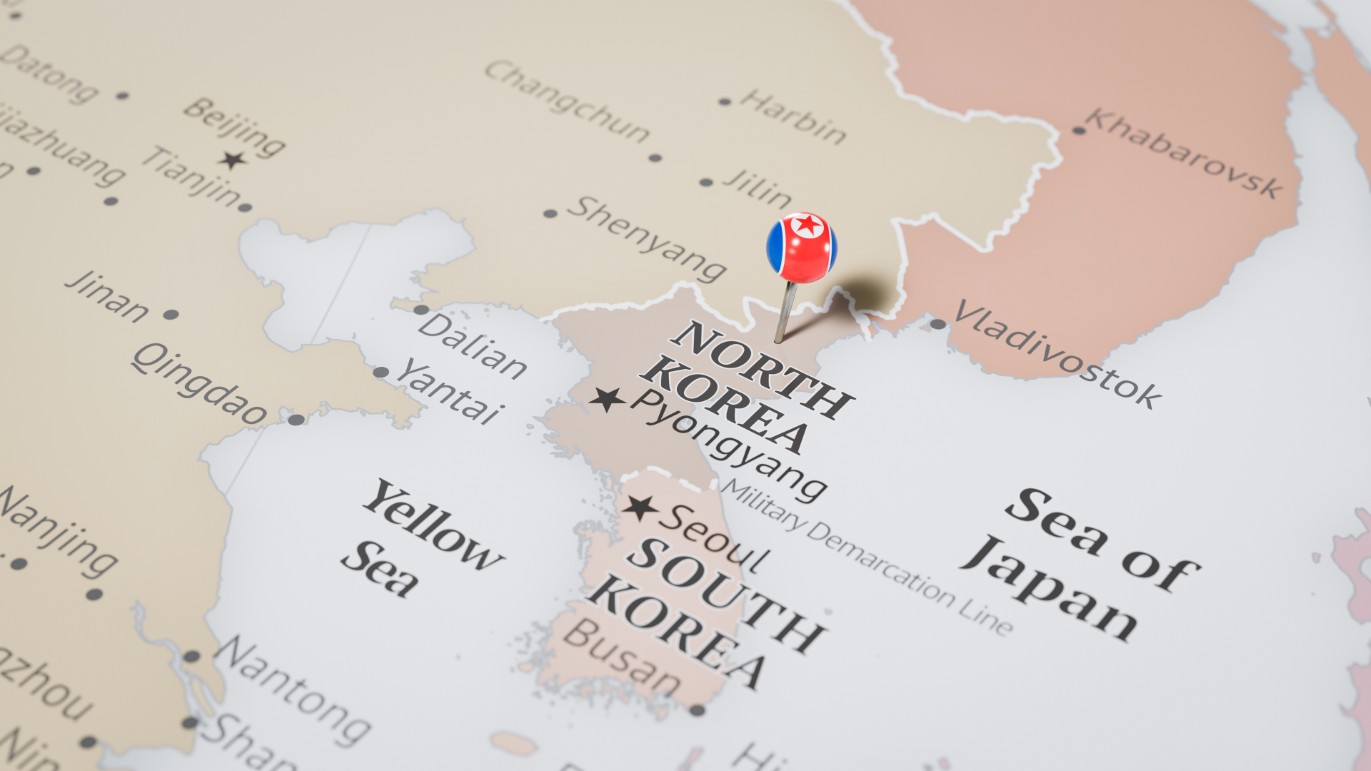
Strategic discipline begins here: never confuse the right to prepare with the pleasure of provocation. The former protects peace. The latter may offer the adversary the spectacle it seeks.

Democracy must not abandon its defenses to appear harmless to an armed dictatorship.

Transparency does not disarm the adversary. It prevents the alliance from becoming like the adversary.

Les résolutions sans prise
Adobe Stock

Resolutions Without Teeth

The ban is clear

The relevant United Nations Security Council resolutions prohibit North Korea from conducting launches using ballistic missile technology.

Japan has explicitly reiterated that the August 12 launch violated these resolutions.

The problem, therefore, is not the absence of a standard. It is the weakening of its ability to alter North Korean behavior.

A rule repeated after every launch may remain legally true while becoming strategically hollow if no coalition is capable of enforcing it.

A Divided Security Council

Pyongyang’s cooperation with Moscow and Beijing’s central economic role complicate any unified international response.
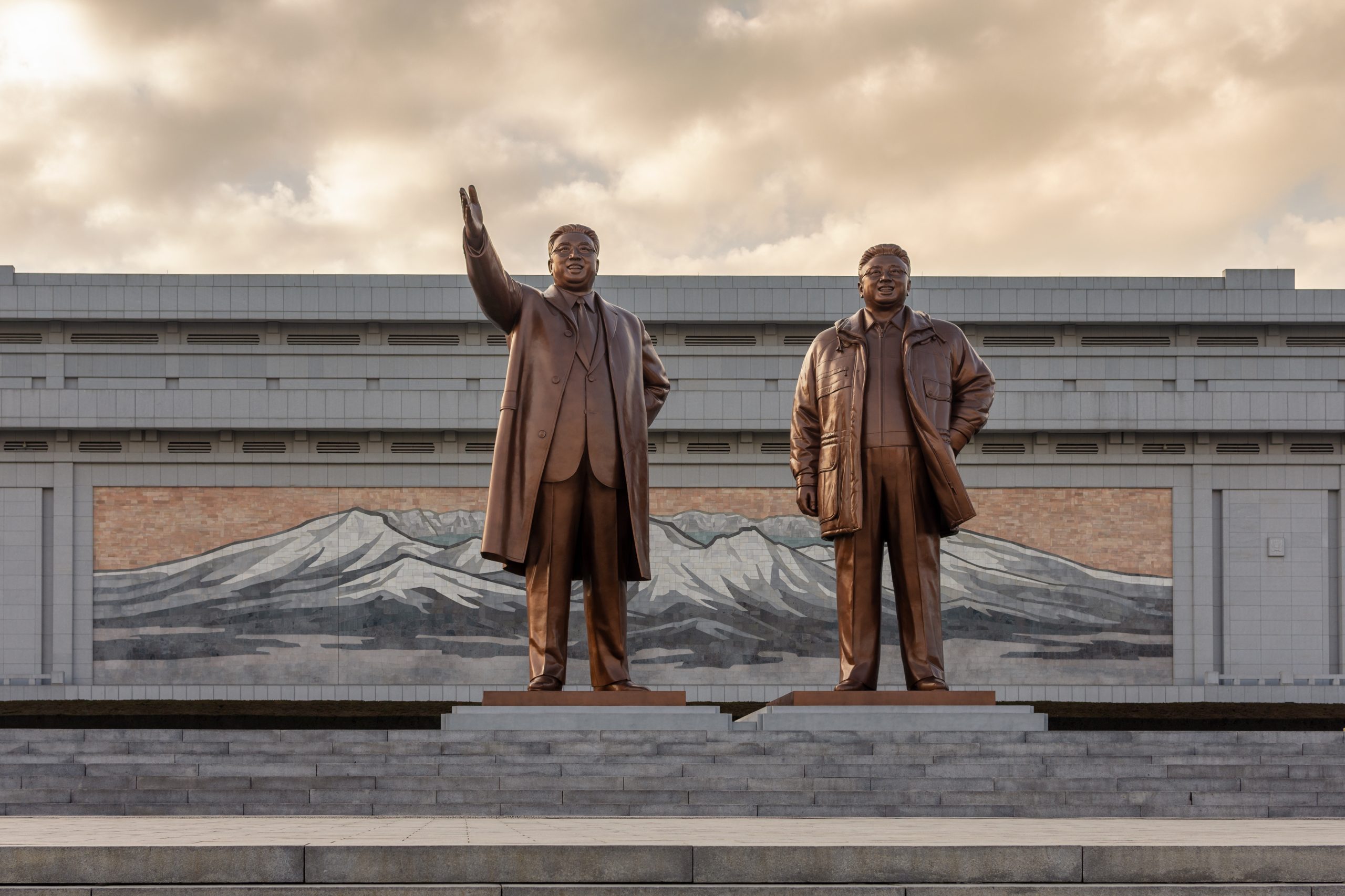
Sanctions exist, but their enforcement, circumvention, and strengthening depend on powers that no longer share the same assessment of the risk or the same interest in isolating North Korea.

The missile defies the ban. The division among the major powers provides it with a path.

La Russie change la profondeur du dossier
Adobe Stock

Russia Changes the Stakes

Weapons that learn in another war

Military cooperation between North Korea and Russia adds a troubling dimension to Pyongyang’s program.

Japan fears that this relationship will strengthen North Korea’s military capabilities in the medium and long term. Ukraine claims that North Korean missiles have been used by Russia; while each specific claim must be attributed and verified, the cooperation itself has become a major strategic reality.

A weapon deployed or observed in wartime provides insights that a test cannot fully replicate.

The Korean Peninsula is no longer a closed laboratory. Russia’s war against Ukraine may fuel the development of an arsenal aimed at Asia.

The Price of Authoritarian Tolerance
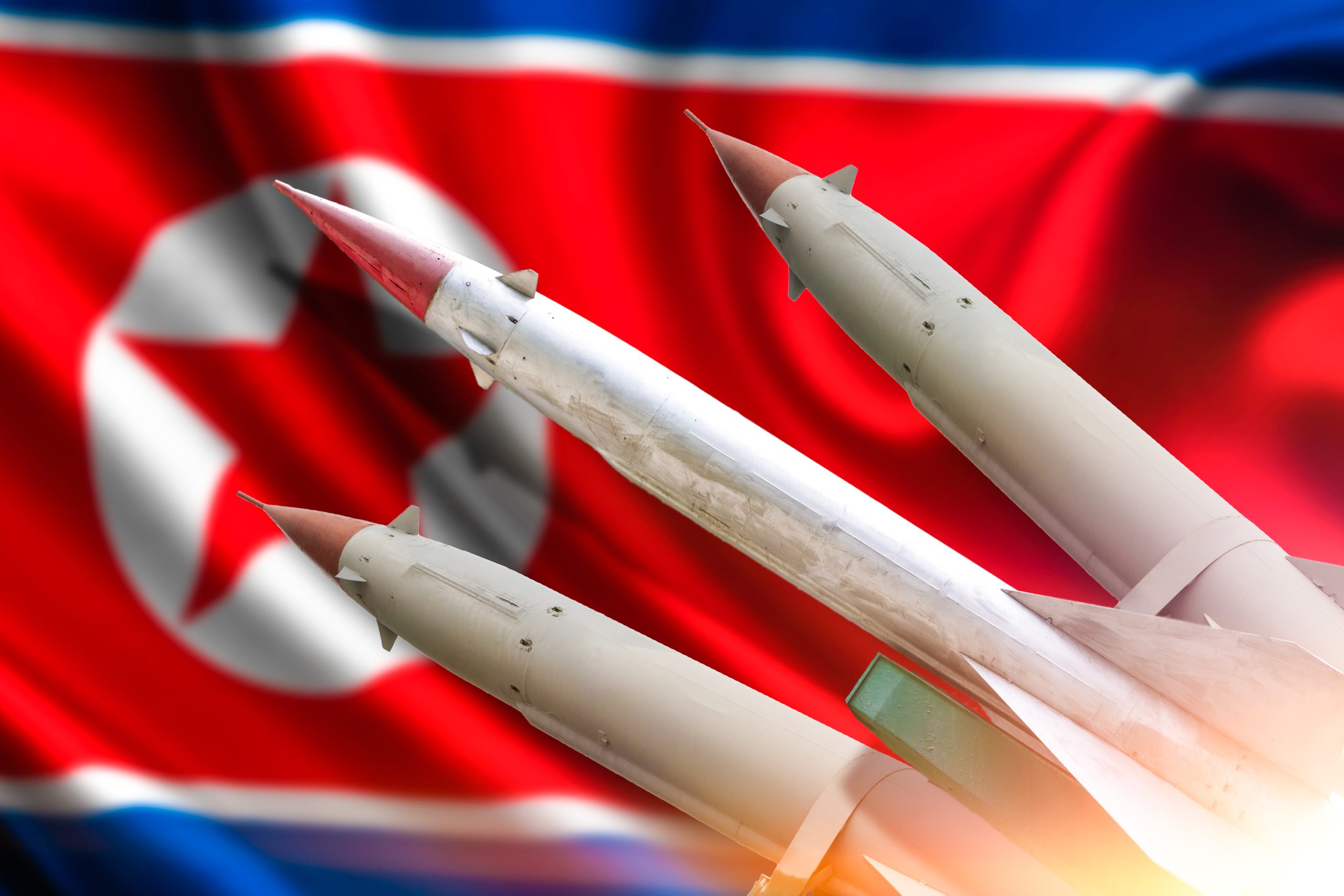
Moscow receives ammunition, capabilities, or support. Pyongyang may receive money, energy, diplomatic protection, technology, or operational experience; the exact nature of each transfer requires evidence.

The general mechanism, however, is clear: two sanctioned regimes have an interest in exchanging what the international order seeks to deny them.

When sanctions bring those they target closer together without isolating their networks, the pressure also becomes a market.

Le risque humain derrière la technique
Adobe Stock

The Human Risk Behind the Technology

Living with every minute counting

According to available information, no civilians were injured during the launch. This must be stated without creating a sense of alarm that is not substantiated.

The human consequence is more sobering: entire populations live in societies where governments must maintain warning systems, shelters, evacuation plans, and constant preparedness for the possibility of conflict.

This preparedness offers protection. It also serves as a reminder that disaster is part of the administrative calendar.

The modern threat is not measured solely by the deaths it causes today. It is measured by the millions of lives it forces to plan for tomorrow on a long-term basis.

The Invisible Cost of Vigilance

Every launch mobilizes radar systems, analysts, policymakers, armed forces, and diplomatic networks.

Cost is not a reason to reduce vigilance. It is, in fact, one of the intended effects of coercion: to impose a continuous financial burden on the other side so that every test remains damage-free.

The absence of casualties is a security success. It does not mean there are no costs.

Le fait qui dérange les alliés
Adobe Stock

The fact that troubles the allies

Superiority Is Not Enough

The United States, South Korea, and Japan collectively possess military, economic, and technological power vastly superior to that of North Korea.

Yet this superiority has not prevented Pyongyang from expanding its arsenal, testing new trajectories, and maintaining a nuclear capability that Japan considers capable of reaching its archipelago.

This observation does not render the alliance useless. It reveals the limitation of its primary tool: force can prevent a major attack without achieving the adversary’s disarmament.

Allied deterrence works well enough to prevent war, but not well enough to halt North Korea’s development. It is both a vital success and a dangerous shortcoming.

Slogans Do Not Bridge the Gap

Describing the U.S. commitment as “unwavering” is necessary. Making it credible requires capabilities, consultations, and political consistency that endure through changes in administration.

Pyongyang is also testing this endurance. An alliance is strong when its adversary cannot wait for it to wear itself out through the electoral cycle.

The word “unwavering” is not proof. Continuity is.
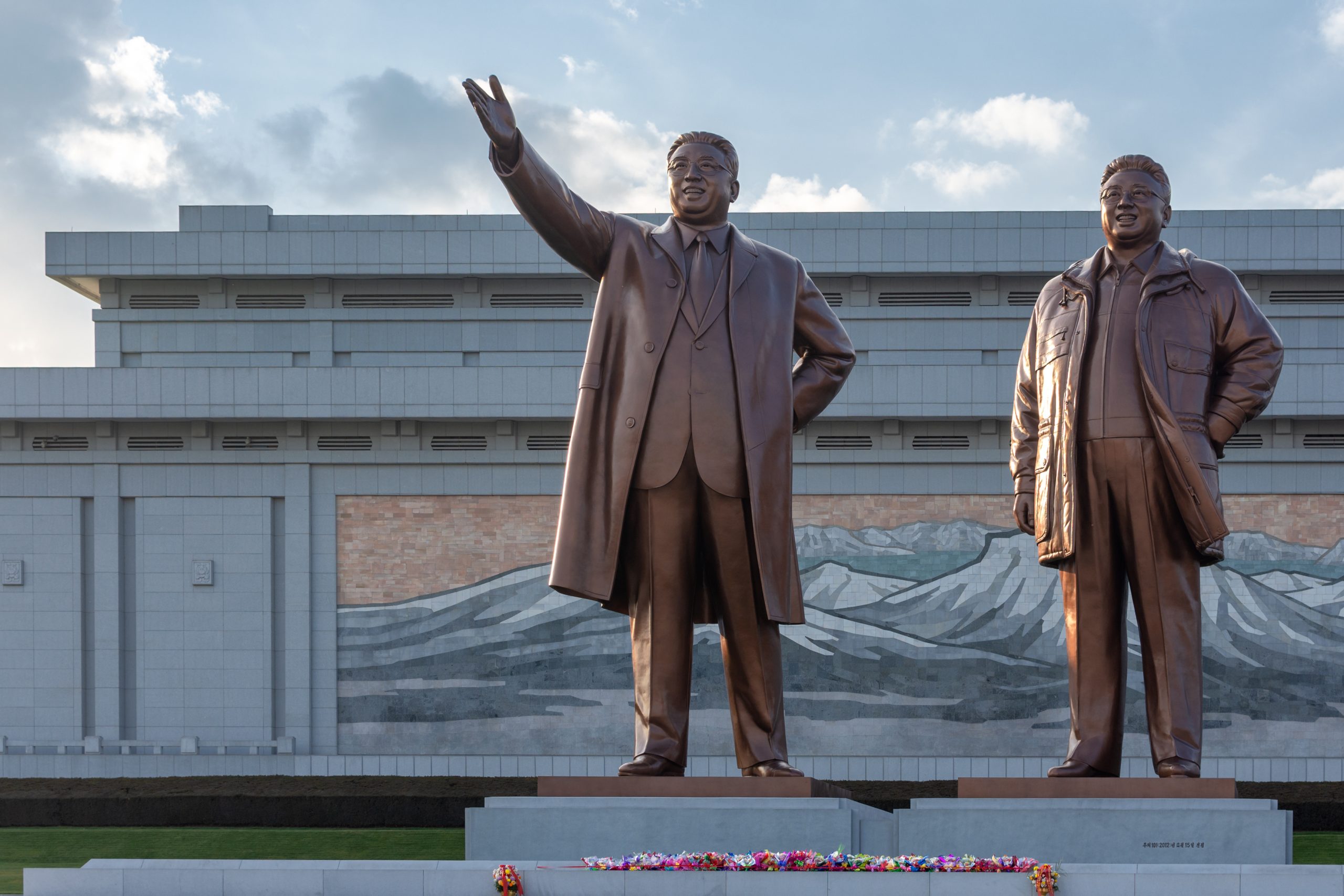
Ce que la fermeté doit protéger
Adobe Stock

What Firmness Must Protect

Don’t Confuse Response with Theater

After a missile launch, there is a strong temptation to announce another demonstration, an expanded exercise, or yet another sanction.

These responses can be useful. They become dangerous when they serve primarily to satisfy the political need to appear firm.

The right question is concrete: Does this measure improve detection, resilience, interception, coordination, or the ability to negotiate from a position of strength?

A response isn’t strong simply because it’s visible. It’s strong when it actually reduces the advantage Pyongyang hoped to gain from its launch.

Guarding the Door Without Offering a Reward

Diplomacy with North Korea has failed to achieve denuclearization. That does not render every channel useless.

Risk-reduction mechanisms, crisis communications, and limited agreements can prevent miscalculations without acknowledging Pyongyang’s right to impose its terms through missile launches.
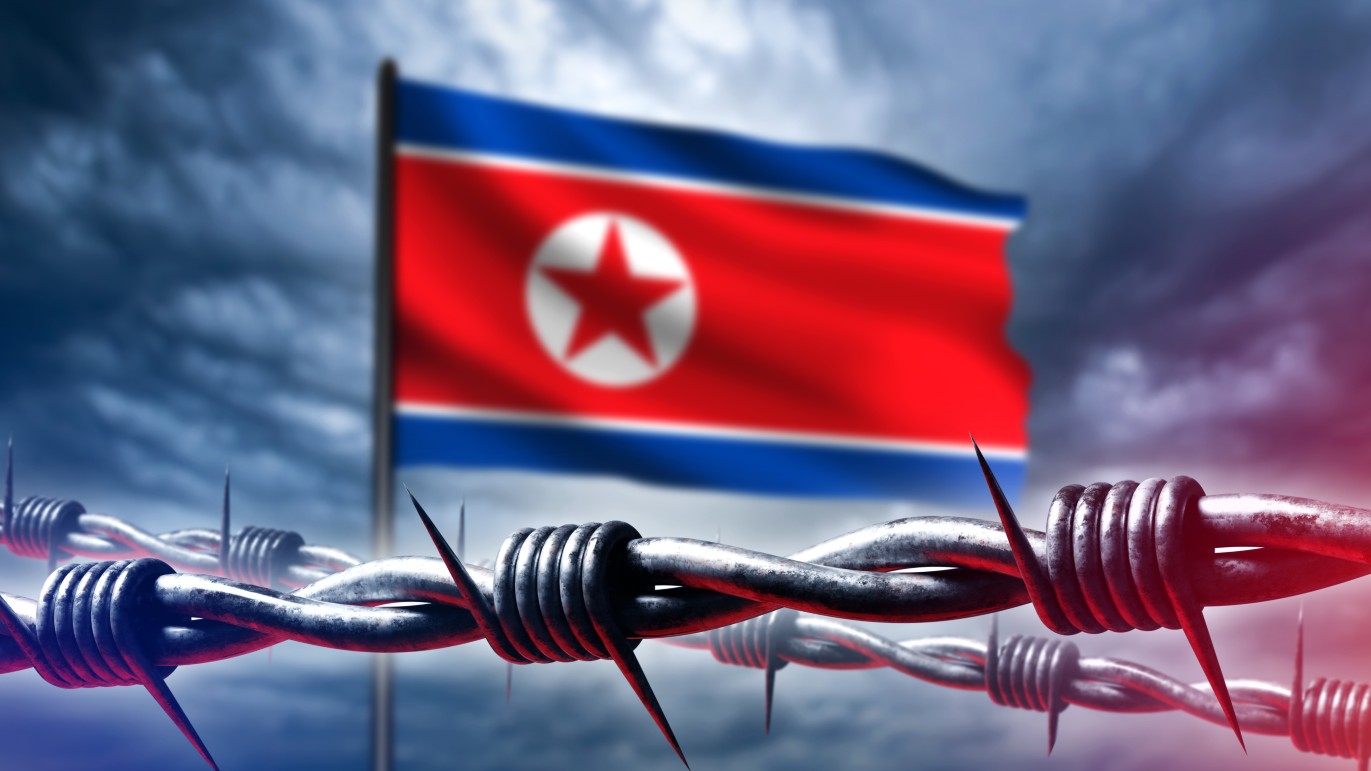
Talking is not capitulating. Ceasing to see coercion as an option, however, is.

La mesure réelle de la dissuasion
Adobe Stock

The True Measure of Deterrence

Beyond the Impact Point

The August 12 missile landed outside Japan’s exclusive economic zone. No damage was reported. The alliance detected the missile, shared the information, and maintained its posture.

In this regard, the system did what was expected of it.

But Pyongyang also launched for the second time in six days—five days before a major exercise—in a year that had already seen eleven suspected tests. The program continues.

Deterrence is therefore neither broken nor triumphant. It holds the line against war while the threat learns to walk right up close.

The number returns

Seven hundred kilometers.

At first, it was a distance. Now, it is a measure of wear and tear: that of violated norms, tested alliances, mobilized systems, and the attention that Pyongyang still commands.

Next time, we’ll have to determine the time, altitude, range, type, and intent all over again. Once again, we’ll have to avoid confusing caution with weakness, and firmness with spectacle.

This repetitive work is precisely what Pyongyang is testing. A launch forces military staffs to detect, governments to assess, diplomats to coordinate, and the public to decide how much attention to pay to a threat that has become familiar. Wear and tear does not destroy a radar system. It erodes the political vigilance that gives meaning to the alert.

The lasting response will be less photogenic than a salvo. It will rely on the resilience of military bases, interoperability, missile defense, rapid data sharing, and an allied stance consistent enough not to be fractured by every election cycle. This is how an alliance strips the missile of its political impact without claiming to have eliminated the danger.

Deterrence will have succeeded on the day the missile does not launch. For now, it succeeds only each time it falls without triggering the worst.

By Maxime Marquette, columnist

Columnist’s Transparency Box

Editorial Positioning

I am not a journalist, but a columnist and analyst. My expertise lies in observing and analyzing the geopolitical, economic, and strategic dynamics that shape our world. My work consists of dissecting political strategies, understanding global economic trends, contextualizing the decisions of international actors, and offering analytical perspectives on the transformations that are redefining our societies.

I do not claim to possess the dispassionate objectivity of traditional journalism, which is limited to factual reporting. I strive for analytical clarity, rigorous interpretation, and a deep understanding of the complex issues that affect us all. My role is to make sense of the facts, place them within their historical and strategic context, and offer a critical analysis of events.

Methodology and Sources

This text respects the fundamental distinction between verified facts and interpretive analyses. The methodological rule is consistent: factual information is published only if it is supported by a verifiable source, and the sources actually used in this article are listed under “Sources,” never here.

Categories of primary sources used by the publication, when applicable: official press releases from governments and international institutions, public statements by political leaders, reports from intergovernmental organizations, and dispatches from recognized international news agencies.

Types of secondary sources: specialized publications, internationally recognized news media, analyses from established research institutions, and reports from sector-specific organizations.

When an article cites statistical, economic, or geopolitical data, it comes from data-producing institutions (intergovernmental organizations, central banks, national statistical institutes), and the specific institution is listed under “Sources.”

Nature of the Analysis

The analyses, interpretations, and perspectives presented in the analytical sections of this article constitute a critical and contextual synthesis based on available information, observed trends, and expert commentary cited in the sources consulted.

My role is to interpret these facts, contextualize them within the framework of contemporary geopolitical and economic dynamics, and give them coherent meaning within the broader narrative of the transformations shaping our era. These analyses reflect expertise developed through continuous observation of international affairs and an understanding of the strategic mechanisms that drive global actors.

This article describes a documented state of affairs as of its publication date, not a prediction: subsequent developments may alter these perspectives. No updates are promised in advance; when an article is corrected or supplemented, the change is dated within the text.

COLUMN: The 700-kilometer missile that tests the limits of deterrence

This content was created with the help of AI.

facebook icon twitter icon linkedin icon
Copied!

Comments

0 0 votes
Article Rating
Subscribe
Notify of
guest
0 Comments
Newest
Oldest Most Voted
More Content