Skip to content

Changes in Nutritional Needs as You Approach Your Forties

Reaching your 40s marks a stage in life when the body’s nutritional needs change, often imperceptibly. The body’s ability to absorb nutrients becomes less efficient, accompanying a natural decline in muscle mass known by the medical term sarcopenia.

In light of these physiological changes, daily nutrient intake must be closely monitored. A nutrition expert emphasizes the importance of recognizing the specific physical signs the body sends when protein intake becomes insufficient to meet these new needs.

Persistent physical fatigue upon waking

Persistent physical fatigue upon waking is a notable early indicator. A constant lack of energy—even after a full night’s sleep—requires a thorough review of nutritional intake.

Protein plays a role in providing the essential amino acids needed to produce the body’s energizing neurotransmitters, such as dopamine. A deficiency slows down the body’s nighttime cellular repair process, thereby disrupting the feeling of vitality and making it harder for the body to recover from daily exertions.

Uncontrollable sugar cravings in the late afternoon

The onset of uncontrollable sugar cravings in the late afternoon is a second direct consequence. Proteins play a major role in controlling satiety and are crucial in regulating pancreatic function.

The absence of protein at lunch causes the stomach to empty too quickly. This phenomenon leads to sudden fluctuations in blood sugar levels in the hours that follow, typically triggering uncontrollable sugar cravings around 4 p.m. to compensate for the drop in energy.

Muscle loss and sagging skin

The process of muscle wasting, combined with sagging skin, is one of the visible signs of inadequate nutrient intake. After age 40, sarcopenia naturally leads to a gradual decline in muscle quality.

When the diet does not provide the necessary building blocks in the form of high-quality protein, the body is forced to draw directly from its own muscle reserves to maintain its functions. This process accelerates tissue sagging, which is particularly noticeable in the arms, thighs, and abdominal area, thereby altering the overall appearance of the figure.

Thin, brittle hair and a loss of volume

Changes in the hair—manifesting as fine, brittle hair and an overall loss of volume—constitute the fourth warning sign. The appendages—a category of organic structures that includes both hair and nails—are composed directly of keratin, a specific protein.

In situations of nutritional deficiency, the body activates a biological survival mechanism by systematically prioritizing nutrient supply to vital organs such as the heart and liver. Superficial tissues are neglected, causing hair to become thinner, lose its natural luster, and experience increased shedding with each seasonal change.

Slow healing and drier skin

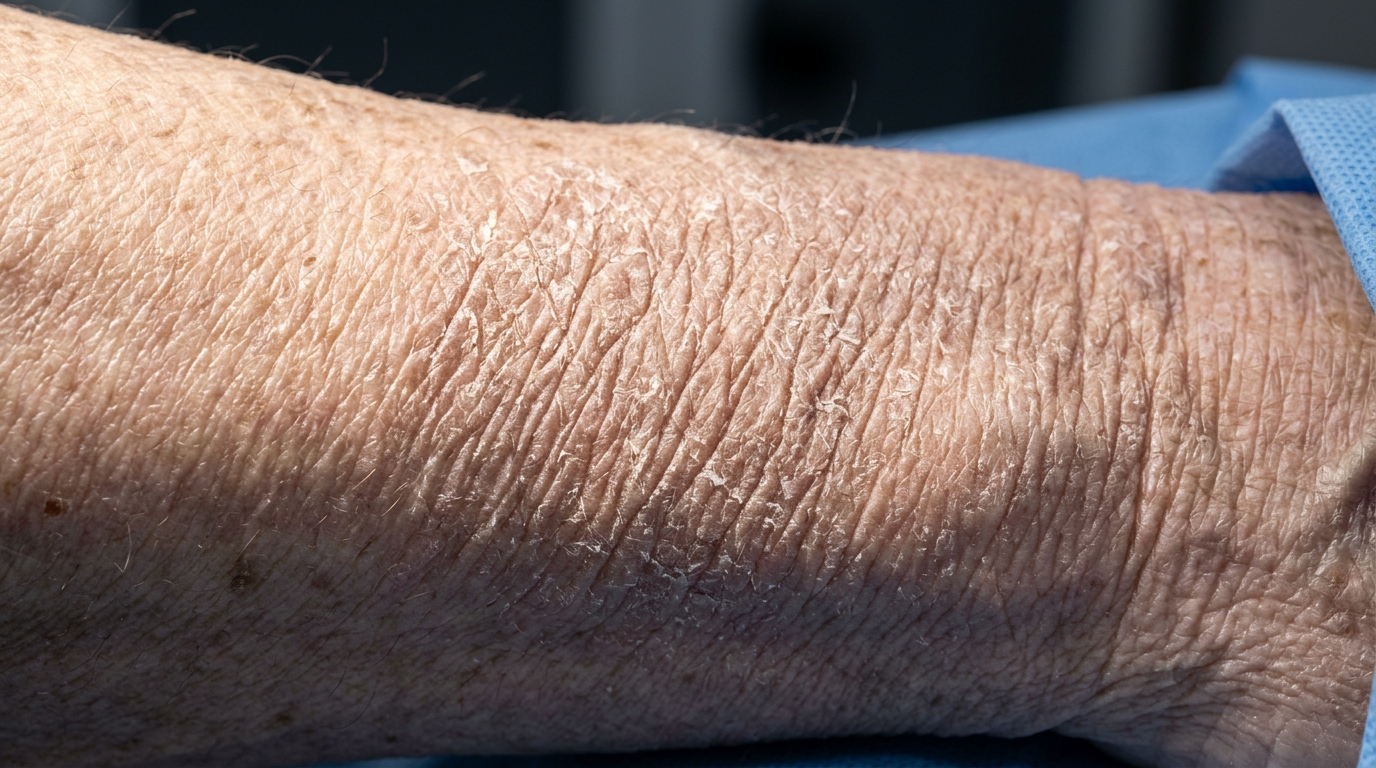
Slower healing combined with drier skin also signals a structural deficiency in the epidermis. The regeneration of the skin barrier requires continuous synthesis of collagen and elastin, two structures composed entirely of protein.

A deficiency—particularly in collagen—impairs the quality of the skin’s daily renewal process. As a result, small cuts take longer to heal properly, while the epidermis loses its ability to retain moisture, leading to persistent dry skin that resists even the regular application of moisturizers.

Increased susceptibility to infections and minor viruses

The final warning sign is characterized by increased susceptibility to infections and common viruses. The immune system relies on antibodies, which are specialized proteins responsible for defending the body against various external threats.

An insufficient intake of amino acids automatically reduces the body’s ability to produce these vital protective shields. This vulnerability then manifests as a marked tendency toward recurring colds and a significantly prolonged recovery time following a mild viral episode.

The Importance of Adjusting Your Daily Intake

Monitoring protein intake after age 40 is essential for supporting the body’s aging process under optimal conditions. Paying close attention to these six warning signs allows you to quickly adjust your dietary habits as soon as the first symptoms appear.

Systematically including a protein-rich serving with every meal helps maintain muscle tone and overall vitality. There are many varied and accessible sources of protein, ranging from eggs and fish to white meat and various types of legumes.

Source: passeportsante.net

Nutrition After Age 40: 6 Physical Signs of Protein Deficiency

This content was created with the help of AI.

facebook icon twitter icon linkedin icon
Copied!

Commentaires

0 0 votes
Article Rating
Subscribe
Notify of
guest
0 Comments
Newest
Oldest Most Voted
Inline Feedbacks
View all comments
More Content