Skip to content

The Importance of Skin Preparation Before Summer

The arrival of warmer weather invariably brings with it the desire to get a tan. However, sun exposure requires special attention, as exposing yourself to the sun without any prior preparation puts your body at risk. The consequences of such carelessness include sunburn, accelerated premature skin aging, and an increased risk of developing skin cancer.

To guard against these harmful effects of sunlight, adopting certain dietary habits is a smart approach. The goal is to help the skin better withstand ultraviolet rays before exposure. This nutritional strategy relies specifically on consuming foods known for their high beta-carotene content.

In this context, a specific recipe is currently gaining popularity on social media. It is a colorful juice made from carrots, oranges, and beets, which its followers regularly tout as a true ally for achieving a “Brazilian tan.” Although this drink cannot promise a miraculous tan, it provides a significant amount of nutrients. These nutrients play an active role in the skin’s natural pigmentation process and help protect it against oxidative stress.

The Physiological Function of Beta-Carotene
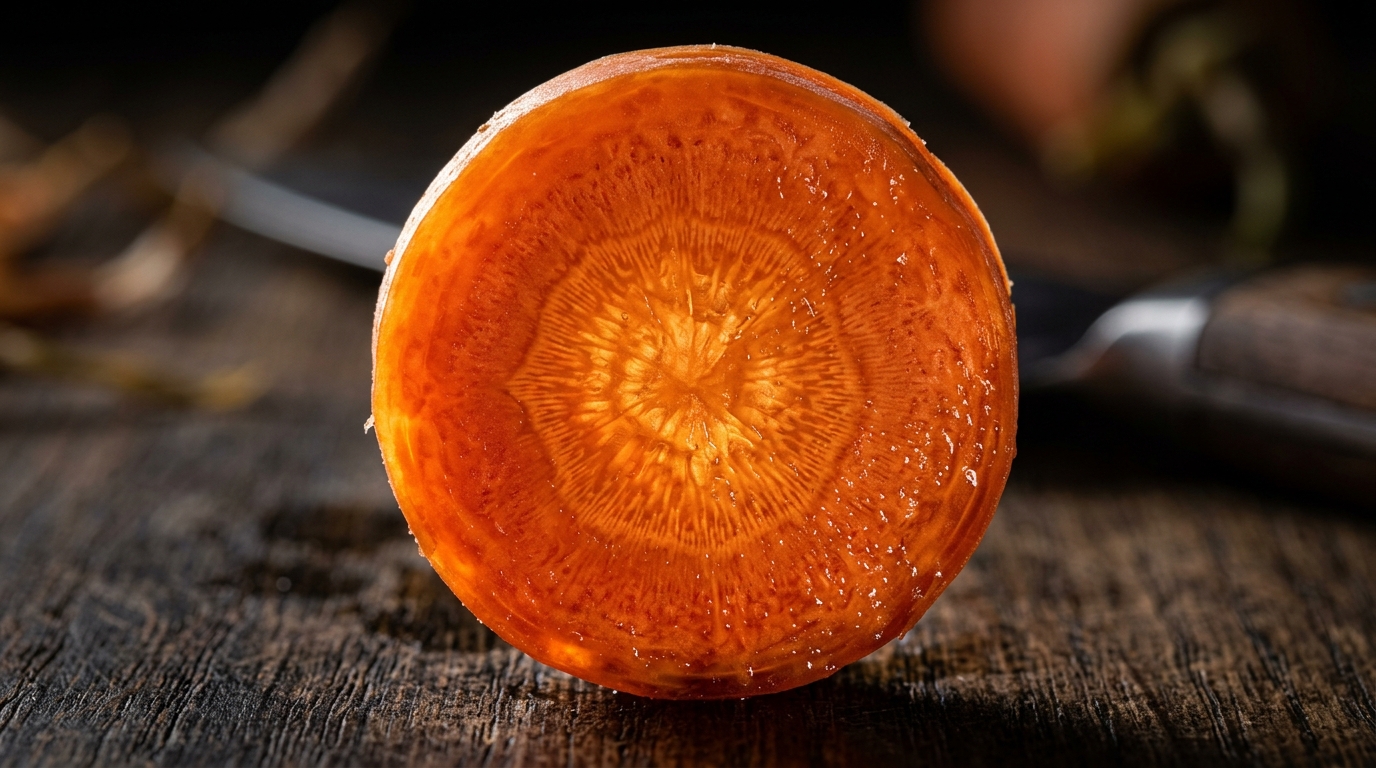
The popularity of beta-carotene among tanning enthusiasts is based on specific biological mechanisms. This organic compound is a natural pigment found in abundance in many brightly colored fruits and vegetables. What makes this pigment unique is how it is absorbed: once ingested, the body converts it into vitamin A, adjusting the amount converted based on its own metabolic needs.

This micronutrient is well-known for its crucial role in maintaining skin health. Adopting a diet rich in beta-carotene supports the body’s gradual tanning process, helping to give the skin a complexion described as more golden and radiant over the course of several weeks.

The effects of beta-carotene extend beyond simple tanning. The compound actively helps protect cells from damage caused by free radicals, which are largely generated by exposure to sunlight. Carrots stand out as one of the best dietary sources of this nutrient, which is why they are a staple in many recipes designed to prepare the skin for the approaching summer season.

Ingredients and Preparation Method for Summer Juice
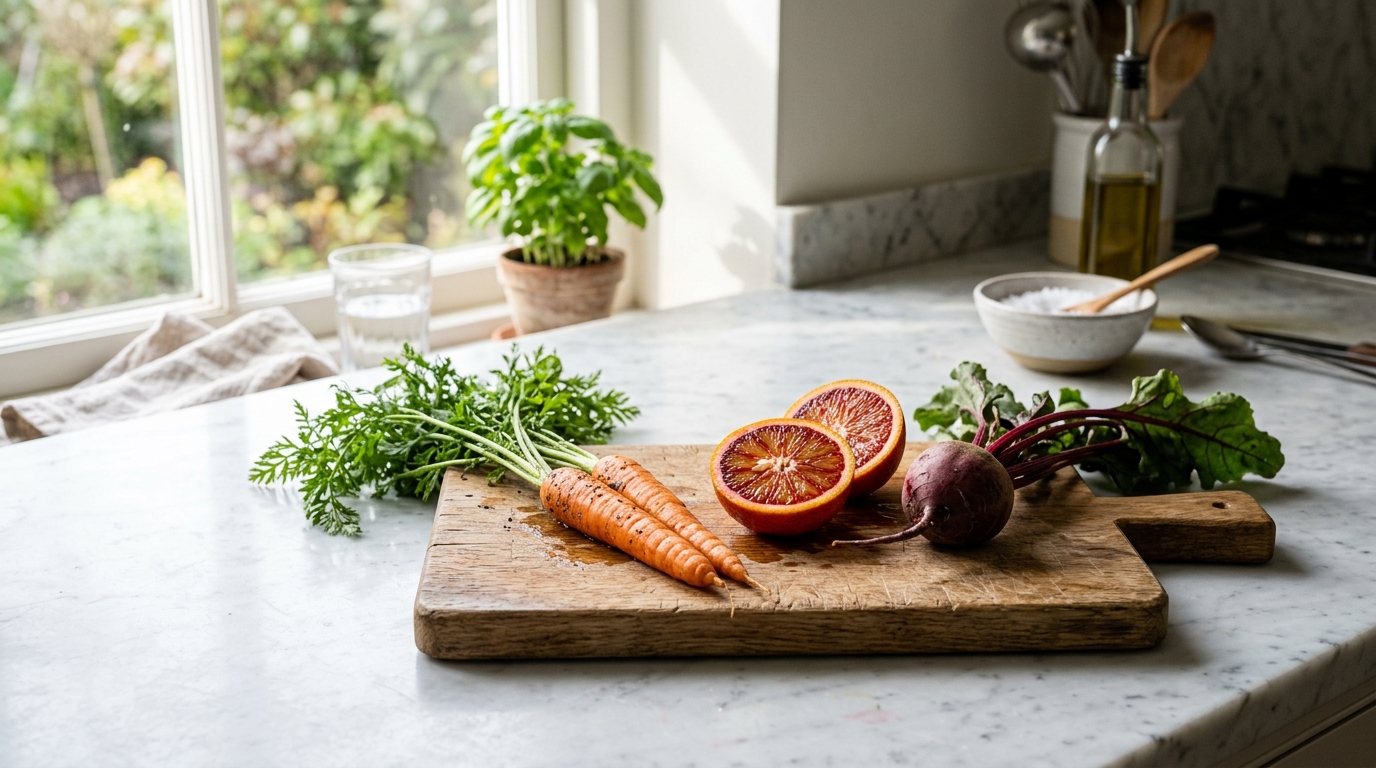
The recipe that’s generating interest is based on a specific list of ingredients with complementary benefits. The blend calls for two carrots, one orange, and one small beet. Carrots form the base, providing a high concentration of beta-carotene. The orange enriches the blend by providing vitamin C. This antioxidant plays a role in collagen synthesis while helping to protect the skin against oxidative stress. The beet completes this synergy thanks to its content of polyphenols and natural pigments, which themselves possess antioxidant properties. The combination of these three ingredients results in a drink rich in micronutrients that supports skin health with a fresh, naturally sweet flavor.

Making this juice involves a few simple steps. The first step is to thoroughly wash all the vegetables and fruit. Next, peel the carrots and beets if necessary. The produce should then be cut into pieces. The next step is to process all the ingredients in a juicer or blender. For those using a blender, the method suggests adding a little water, then straining the mixture depending on the desired final texture.

To get the full benefit of the nutrients, the main recommendation is to drink this juice fresh. Regular consumers of this drink recommend drinking it two to three times a week in the weeks leading up to periods of sun exposure. This should be part of a varied diet rich in colorful fruits and vegetables. Since beta-carotene works gradually, the drink does not transform the appearance of the skin overnight, but helps naturally improve its radiance over time.

The Limitations of a Nutritional Approach to UV Exposure
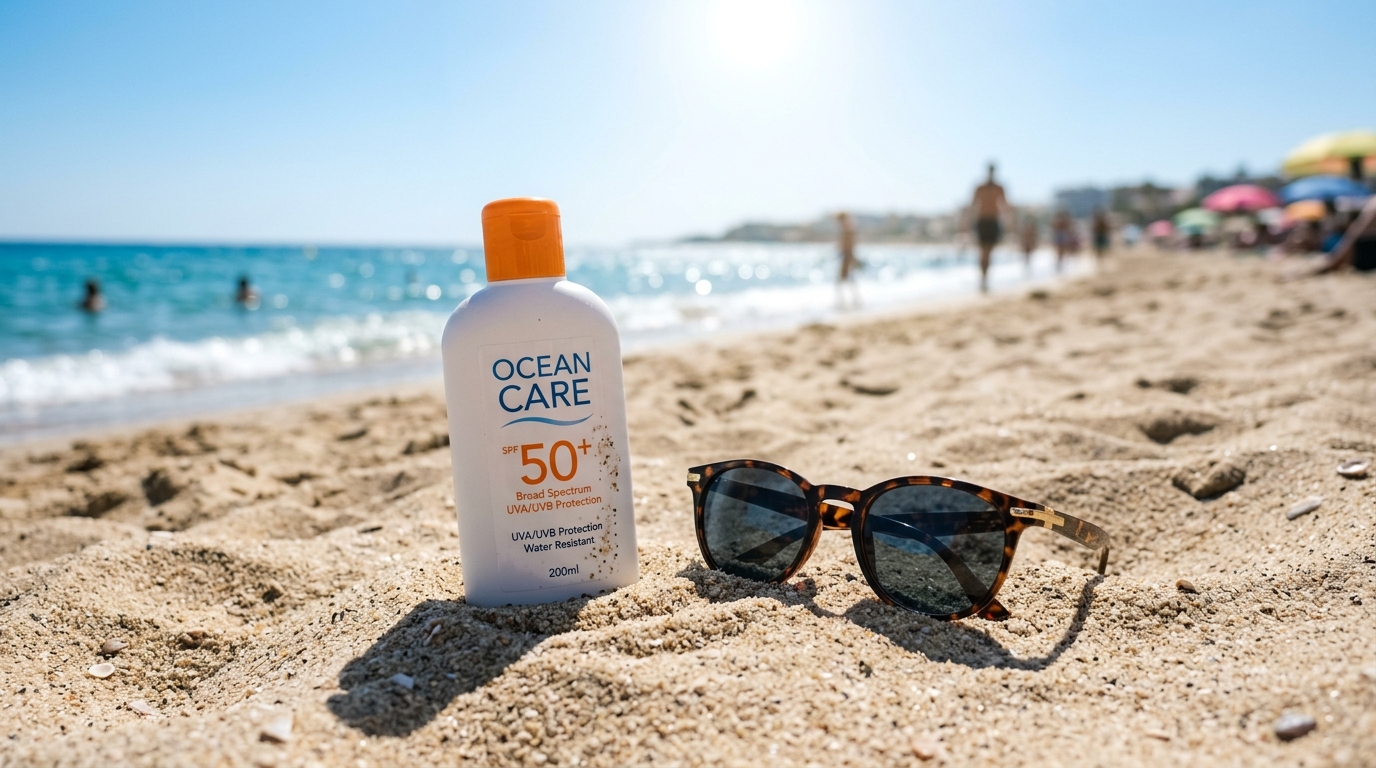
The nutritional value of this juice made from carrots, oranges, and beets is beneficial for those seeking a balanced diet, promoting a naturally more radiant complexion and maintaining healthy skin. However, a strict warning remains: no beverage, no matter how rich in antioxidants, vitamin C, or beta-carotene, can replace the use of sunscreen. Drinking this juice does absolutely nothing to protect the skin from sunburn.

It is important to remember that tanning is primarily a defense mechanism triggered by the skin when it is exposed to ultraviolet rays. Consuming food, dietary supplements, or juice does not, under any circumstances, allow you to extend your time in the sun without putting yourself at risk. Juice provides a nutritional boost and is a delicious treat, but it is by no means a miracle solution for protection.

To drastically reduce the risks associated with UV rays, a series of measures remains essential throughout the summer season. Applying a broad-spectrum sunscreen with an SPF appropriate for your skin type is an absolute necessity. This application must be repeated systematically every two hours, as well as after each swim. In addition, safety guidelines require avoiding direct sun exposure between noon and 4 p.m.

Analysis of the direct impact on the rate of pigmentation
Among the questions that come up regularly regarding the use of this summer drink, the speed of results is a central concern. Consumers want to know exactly what they can expect from this routine. The question is often phrased as follows: “Does this juice help you tan faster?”

The answer to this question is based on facts to dispel any misconceptions. This specific blend of vegetables and fruit does not directly trigger the tanning process. The ingredients do not act as an artificial accelerator of melanin production when exposed to the sun.

However, the high concentration of beta-carotene in the drink plays an undeniable underlying role. It has the ability to contribute to a gradual improvement in the radiance of the complexion, while supporting the overall health of the skin barrier.

Dietary Alternatives to Diversify Your Intake
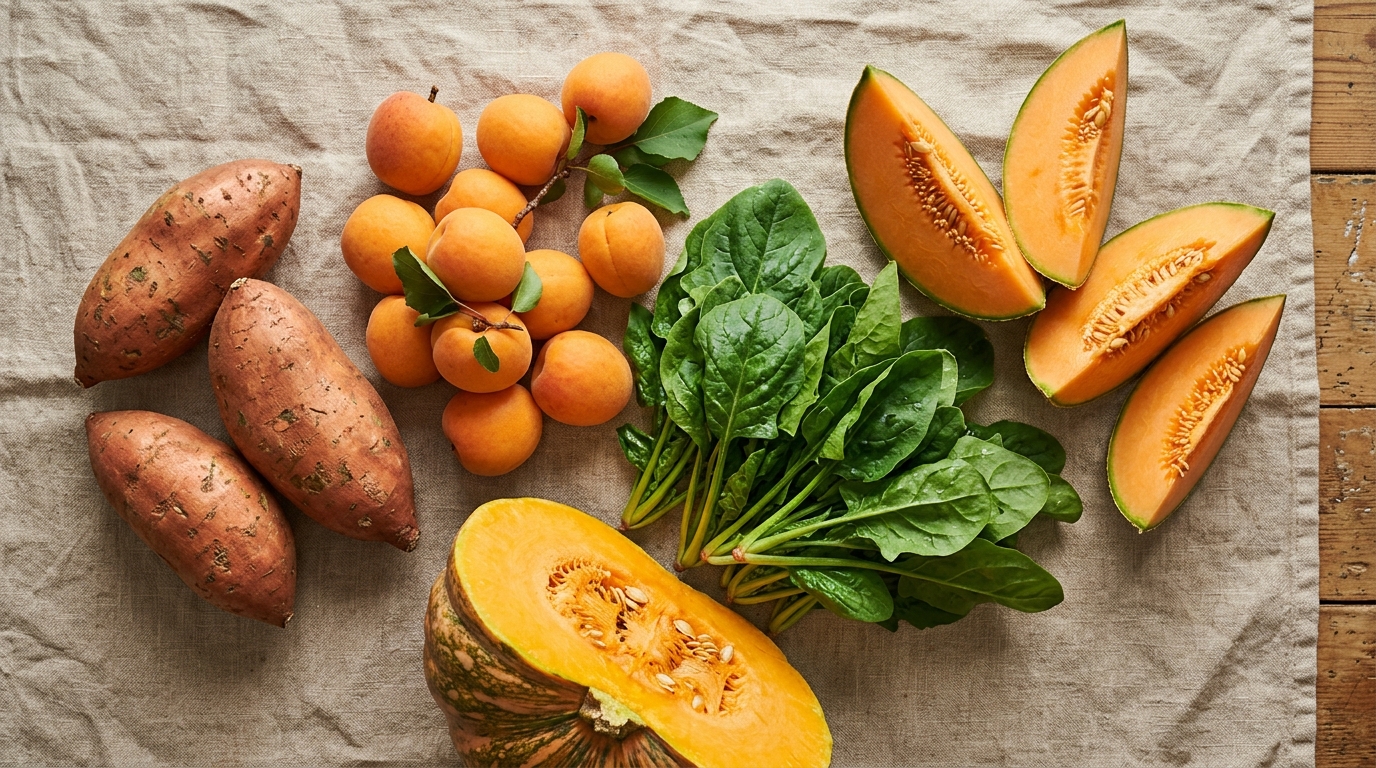
Although the carrot, orange, and beet-based drink is packed with several beneficial nutrients, it’s advisable to vary your sources of nutrition. Another common question among people looking to improve their skin’s health concerns expanding their diet. The question is: “Which foods contain the most beta-carotene?”

Nature offers a wide variety of plants that can meet this specific need. While carrots remain the best-known and most accessible source, they are far from the only option available at the market to get your fill of this natural pigment.

To diversify your meals while maintaining a high intake, other fruits and vegetables stand out clearly. Sweet potatoes, apricots, cantaloupe, spinach, and pumpkin are officially among the best-documented sources of beta-carotene to include in your daily meals.

The Scientific Reality Behind the Risk of Sunburn

The final major concern related to consuming specific foods for the summer revolves around the concept of physical safety. The confusion between nutritional preparation and a physical barrier inevitably leads to one final question: “Does beta-carotene protect against sunburn?”

The answer provided by healthcare professionals is categorical: the answer is no. Consuming this compound, regardless of the amount or frequency, does not in any way act as a shield against the rays that burn the skin.

Even though the antioxidant properties of beta-carotene are proven and well-documented, this substance cannot replace a proper sunscreen. Consuming foods rich in these pigments does not allow or justify sun exposure without applying adequate external protection.

Source: passeportsante.net

Sun Preparation: The Natural Recipe That’s Shaking Up Summer Routines

This content was created with the help of AI.

facebook icon twitter icon linkedin icon
Copied!

Commentaires

0 0 votes
Article Rating
Subscribe
Notify of
guest
0 Comments
Newest
Oldest Most Voted
Inline Feedbacks
View all comments
More Content