

The Paradox of Dietary Restriction

In an effort to take care of their health and slim down, many people impose strict discipline on themselves. The approach seems to be dictated by common sense: tracking every little slip-up, drastically reducing calorie intake, and eliminating carbohydrates from meals. This desire to “eat too well” becomes part of daily life, fueled by the deep-seated belief that absolute rigor guarantees quick results.
The survival instinct in the face of declining energy

The relentless mechanics of compensatory cravings

The habit of eating main meals that are too light creates a dual state of frustration—both biological and psychological. The lack of sufficient high-quality carbohydrates prevents blood sugar levels from stabilizing. Just a few hours after finishing a meal, the body experiences inevitable drops in blood sugar. The brain, suddenly deprived of its main fuel source, has no choice but to trigger powerful alarm signals.
This defense mechanism manifests as intense cravings that are particularly difficult to control. These episodes occur repeatedly in the late afternoon or evening, instinctively directing the appetite toward highly processed, high-fat, and high-sugar foods. These cravings, far from being a lack of willpower, are biological compensatory responses that instantly undo all the “efforts” made throughout the day.
The Fundamental Role of Complex Carbohydrates
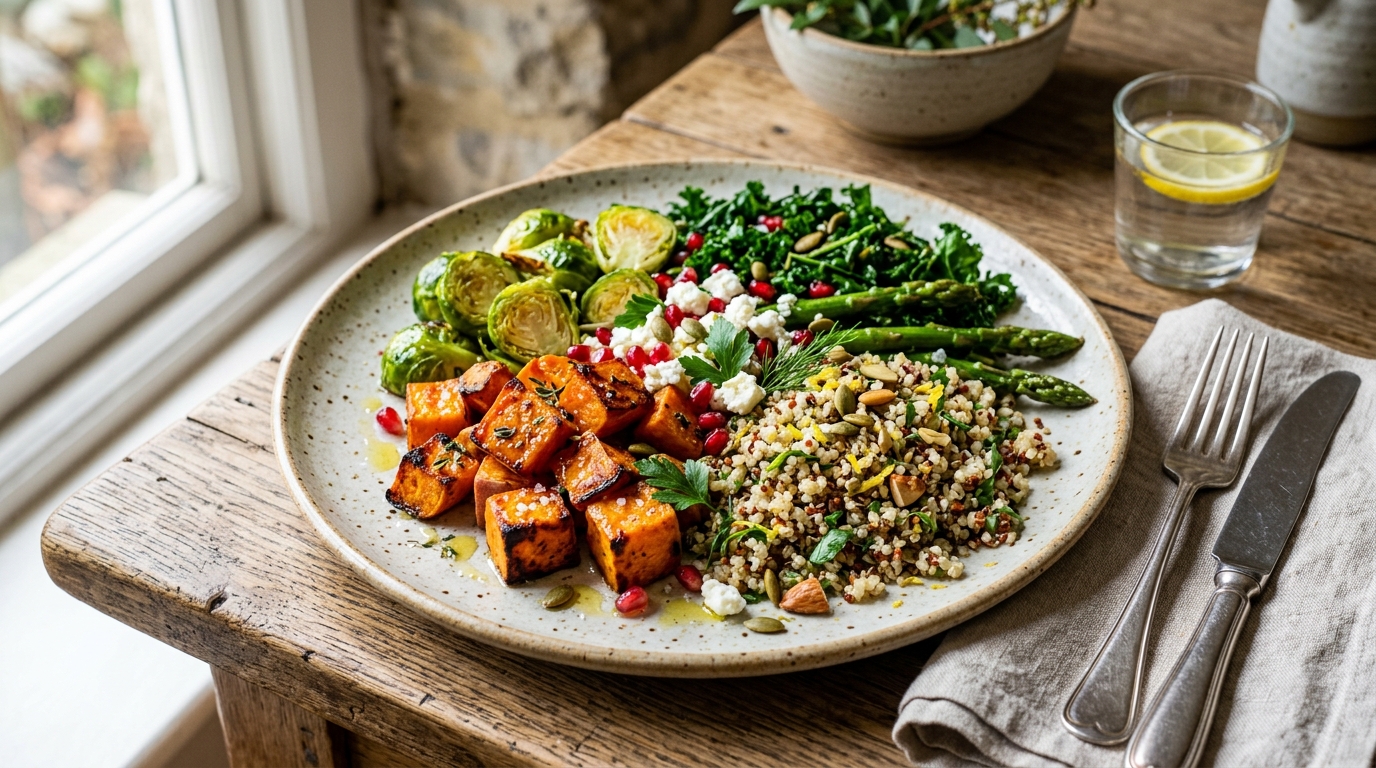
To get the body’s systems back on track, maintain an active metabolism, and ensure long-term satiety, the solution lies in systematically reintroducing complex carbohydrates. Choose foods with a low or moderate glycemic index and include them in every meal. These healthy carbohydrates release their energy slowly and steadily into the bloodstream, thereby preventing the dreaded insulin spike—the hormone directly responsible for fat storage.
These nutrients serve several vital functions. They nourish muscle fibers, actively support thyroid function, and provide the necessary foundation for serotonin production. Serotonin acts as the “feel-good” hormone and is essential for controlling food cravings. Far from causing weight gain, these carbohydrates act as the true catalyst for a stable and efficient metabolism.
The best whole food sources to prioritize in your daily diet

Creating meals that provide long-lasting satiety without tipping the scales requires rethinking your food choices. It’s best to avoid refined products, such as white pasta, white rice, or white bread. Priority should be given to whole foods that are naturally rich in fiber. The best options include sweet potatoes, quinoa, buckwheat, and brown or wild rice. Incorporating legumes, such as red lentils or chickpeas, is highly recommended if your digestive system can tolerate them.
For the first meal of the day, whole-grain oatmeal—whether gluten-free or not—is an excellent way to start the morning. All of these whole foods are highly nutrient-dense. They have the unique ability to keep you feeling full for a long time while keeping your body in fat-burning mode throughout the day.
A New Paradigm for Sustainable Weight Loss

By incorporating whole, complex carbohydrates into every meal, you meet your body’s physiological needs. This nutritional approach helps eliminate compulsive cravings for good and naturally revives your metabolism. Instead of constantly monitoring what you eat, you’ll achieve true synergy with the human body’s natural functions.
Source: passeportsante.net
The Illusion of Deprivation: How Excessive Control Slows Down Your Metabolism
This content was created with the help of AI.


