Skip to content

The Burden of Depression and the Emergence of Magnetic Stimulation
Despite decades of progress in the field of mental health care, depression remains one of the most debilitating conditions in the world. Many people with major depressive disorder are unable to find lasting relief through antidepressants or traditional psychological therapies. According to data shared by Sanjukta Mondal for Medical Xpress, the global burden of this disease is expected to increase, with more than 466 million people projected to be living with depressive disorders by 2040.

In light of this, scientists are exploring alternatives beyond conventional treatment pathways. In a new study, researchers examined intermittent theta-burst stimulation (iTBS) to evaluate its effectiveness in adults with major depressive disorder.

The Technological Alternative: What Is iTBS?
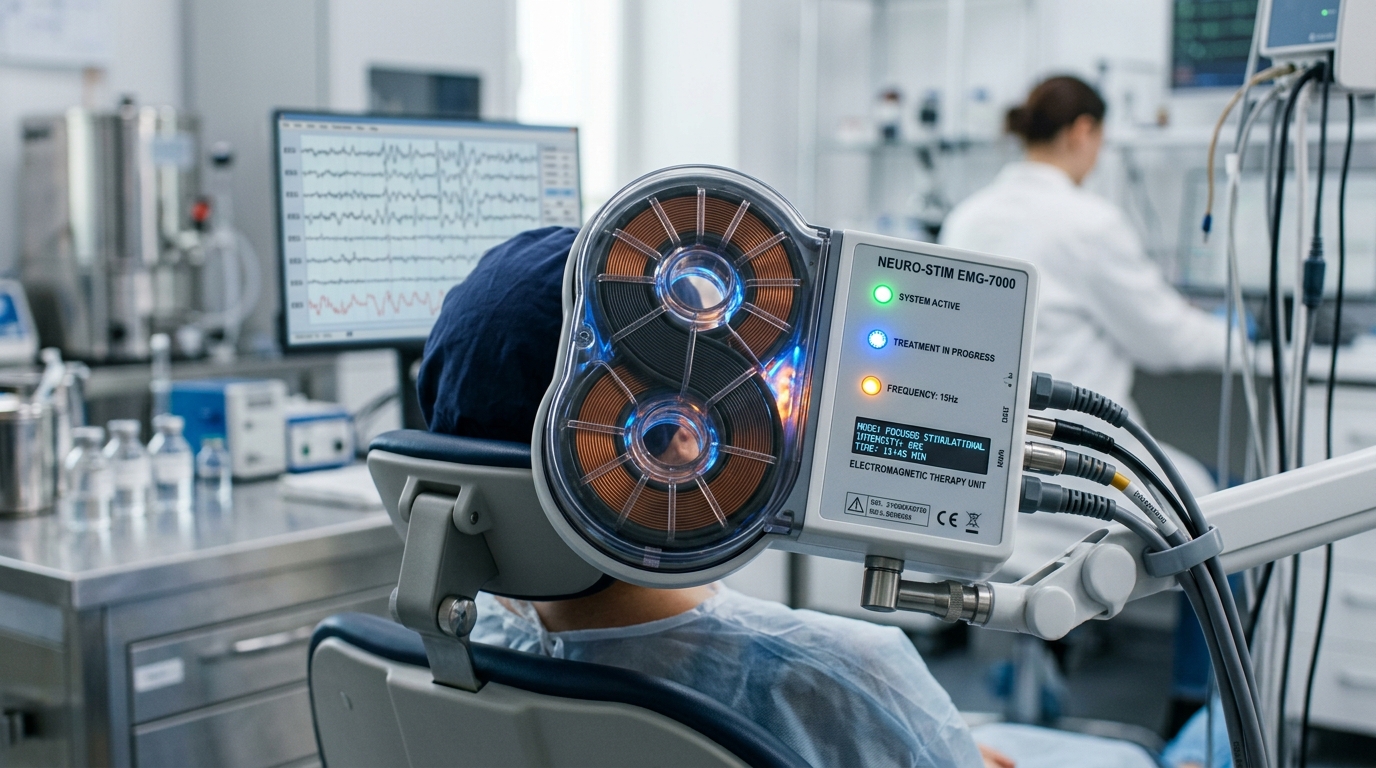
Approved by the FDA for clinical use in 2018, iTBS is a non-invasive brain stimulation technique. It involves delivering rapid bursts of magnetic pulses to stimulate neural activity in targeted areas of the brain. This protocol differs from more traditional approaches to repetitive transcranial magnetic stimulation (rTMS), which also uses magnetic pulses but over longer session durations.

iTBS has established itself as an accelerated version of rTMS, offering the same type of stimulation in a significantly shorter treatment time. Although expert guidelines now recognize the efficacy of both methods based on robust evidence, several uncertainties remained regarding the actual efficacy of iTBS in specific contexts, particularly its advantage over a placebo and the durability of its effects.

A rigorous clinical trial conducted in Norway

To address these scientific gaps, the research team recruited 73 adults aged 22 to 65 with major depressive disorder who were being treated at an outpatient clinic in northern Norway. Participants were randomly assigned: 41 people received active treatment with iTBS, while the other 32 received a sham treatment (placebo).

The placebo device used a specially designed coil that perfectly mimicked the appearance, sound, and sensation of the actual device—including the characteristic tingling sensation on the scalp—without, however, delivering any actual brain stimulation. Each participant underwent one session per day for 10 business days. Changes in their condition were measured using questionnaires and brain scans at four key time points: before the start of the study, halfway through treatment on the fifth day, immediately after the tenth session, and one month later.

Rapid but Temporary Results
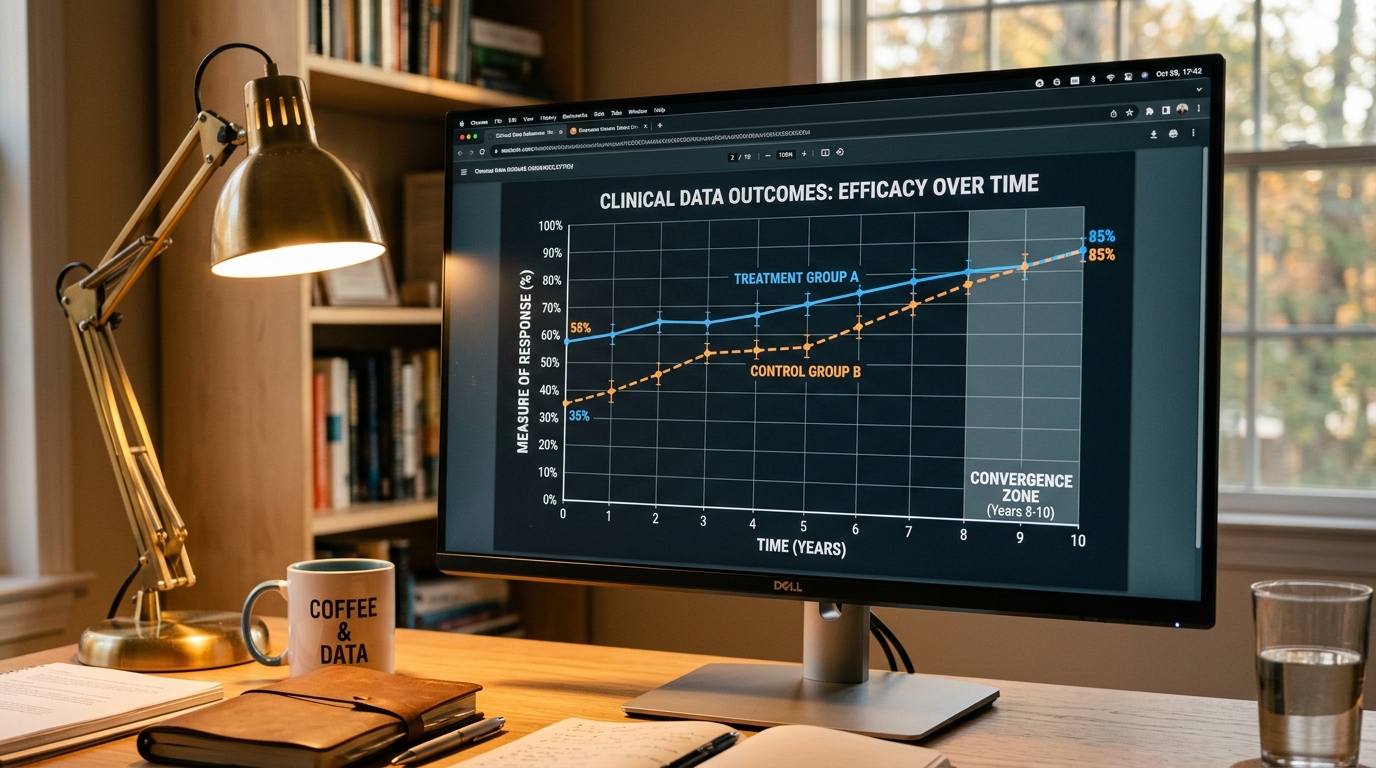
As early as the fifth and tenth days of treatment, clinicians observed that patients who received active stimulation exhibited significantly fewer depressive symptoms than those in the placebo group. According to medical assessments, symptoms decreased by nearly 42% in the iTBS group, compared to only 22% in the placebo group. This notable difference demonstrated the immediate effectiveness of active stimulation.

However, a discrepancy emerged when participants self-reported their own symptoms, with both groups reporting similar improvements. Furthermore, during the follow-up conducted four weeks after the end of the sessions, the gap between the two groups had closed. The group that received the placebo treatment continued to improve gradually, thereby catching up to the benefits observed in patients treated with active iTBS.

Conclusion and Outlook: Rethinking Therapeutic Dosage

The details of this study were published in the scientific journal JAMA Network Open by Marte C. Ørbo and colleagues (DOI: 10.1001/jamanetworkopen.2026.21262). The authors suggest that a standardized protocol of 10 iTBS sessions leads to rapid improvement in depression symptoms, but that this duration is insufficient to ensure lasting benefits or to maintain superiority over the placebo effect in the long term.

Further research will be essential to determine the optimal dosage and frequency of maintenance sessions needed to stabilize the beneficial effects in patients. For any medical questions, consult a qualified healthcare professional.

Source: medicalxpress.com

Rapid magnetic brain stimulation relieves depression within a few days, but its effects wear off after a few weeks

facebook icon twitter icon linkedin icon
Copied!

Comments

0 0 votes
Article Rating
Subscribe
Notify of
guest
0 Comments
Newest
Oldest Most Voted
More Content