

Aqua Aerobics: 4 Powerful Water Exercises to Tone Your Body and Get Rid of Cellulite This Summer


Understanding Cellulite: A Natural and Universal Phenomenon
Cellulite often develops persistently on the thighs, buttocks, hips, or stomach. Far from being an abnormality, this accumulation of fat cells—called adipocytes—affects the overwhelming majority of women. As Alicia Prével, a fitness instructor at the Prévithal thalassotherapy center in Granville, Normandy, points out: “Cellulite is a natural and normal phenomenon. Eight out of ten women are affected at some point in their lives, whether they are slim or not.”
According to sports and health professionals, trying to completely eliminate these dimples is a pipe dream. A realistic goal is instead to tone the tissues to reduce the visual appearance of “orange peel” skin. “There are, however, ways to work on it to make it less noticeable,” explains the fitness specialist.
Why is water the ultimate ally against cellulite?
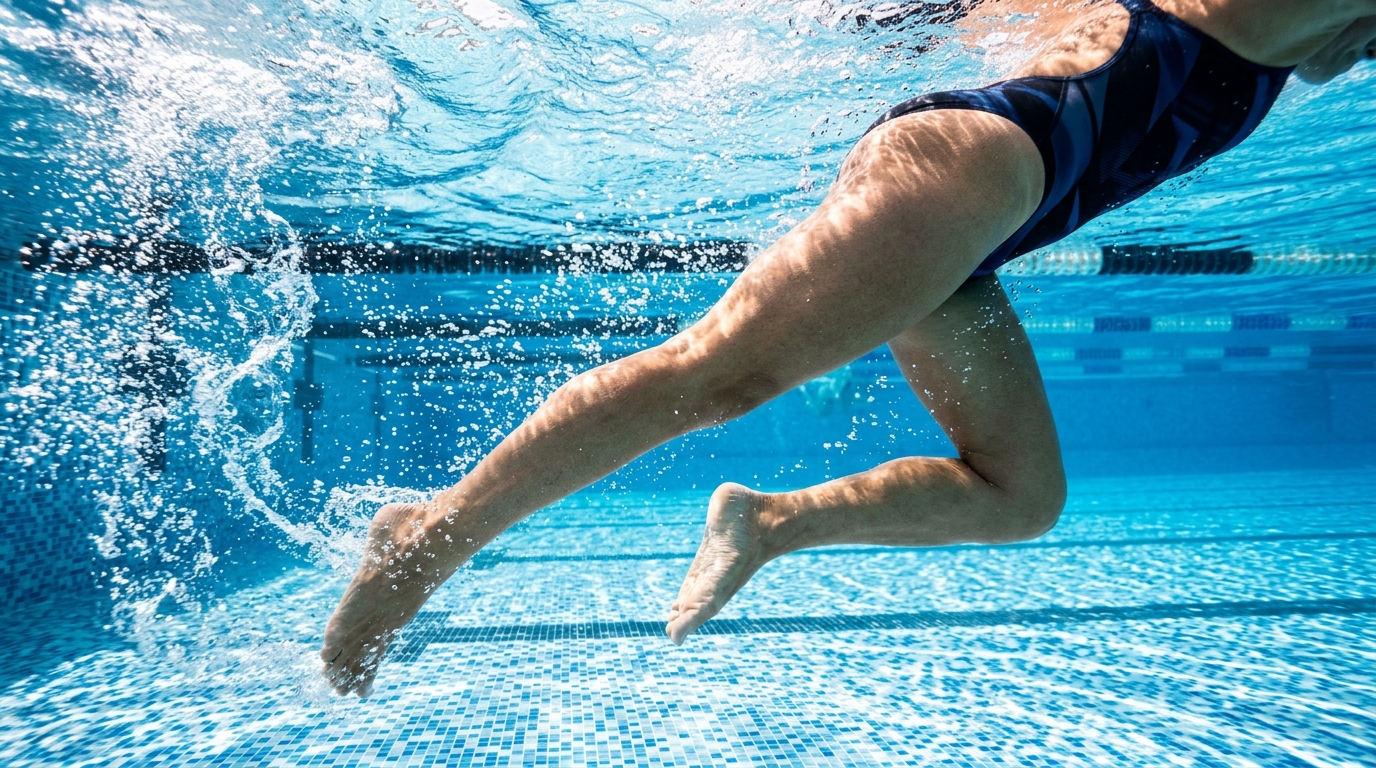
The body also benefits from Archimedes’ principle, which provides an incomparable feeling of lightness. The fitness instructor points out that “a 60-kilo person with water up to their armpits weighs 15 kilos.” This reduction in apparent weight protects the joints from any violent impact, making these activities accessible to people suffering from osteoarthritis or other joint conditions: “These activities are weight-bearing; they place no shock on the joints and are beneficial and accessible to everyone, including those with osteoarthritis and other joint issues.”
Immersion also generates hydrostatic pressure throughout the entire body. This mechanical force acts like a true drainage massage that stimulates blood and lymphatic circulation. According to the expert at the Prévithal thalassotherapy center in Granville: “It has a holistic effect. The exercises also activate blood circulation, venous return, and lymphatic drainage through hydrostatic pressure—that is, the pressure exerted by the water on the body.” This promotes the elimination of toxins and improves skin tone.
Essential Preparations and Warm-Up in an Aquatic Environment
Practicing aqua aerobics in the summer requires following a few basic safety rules to avoid heatstroke. It’s best to exercise early in the morning or late in the day, making sure to avoid the hottest part of the day between noon and 4 p.m. Wearing a hat, applying water-resistant sunscreen, and staying hydrated regularly—even before you feel thirsty—are essential precautions.
Once in the pool or the ocean, the water should ideally reach just below the chest to effectively engage both the upper and lower body. The workout should be performed continuously at a moderate intensity—one that leaves you slightly out of breath. “Physical activity helps the body improve the appearance of the skin and slow down the aging process,” notes Alicia Prével.
Exercises 1 and 2: Forward Kicks and Alternating Lunges
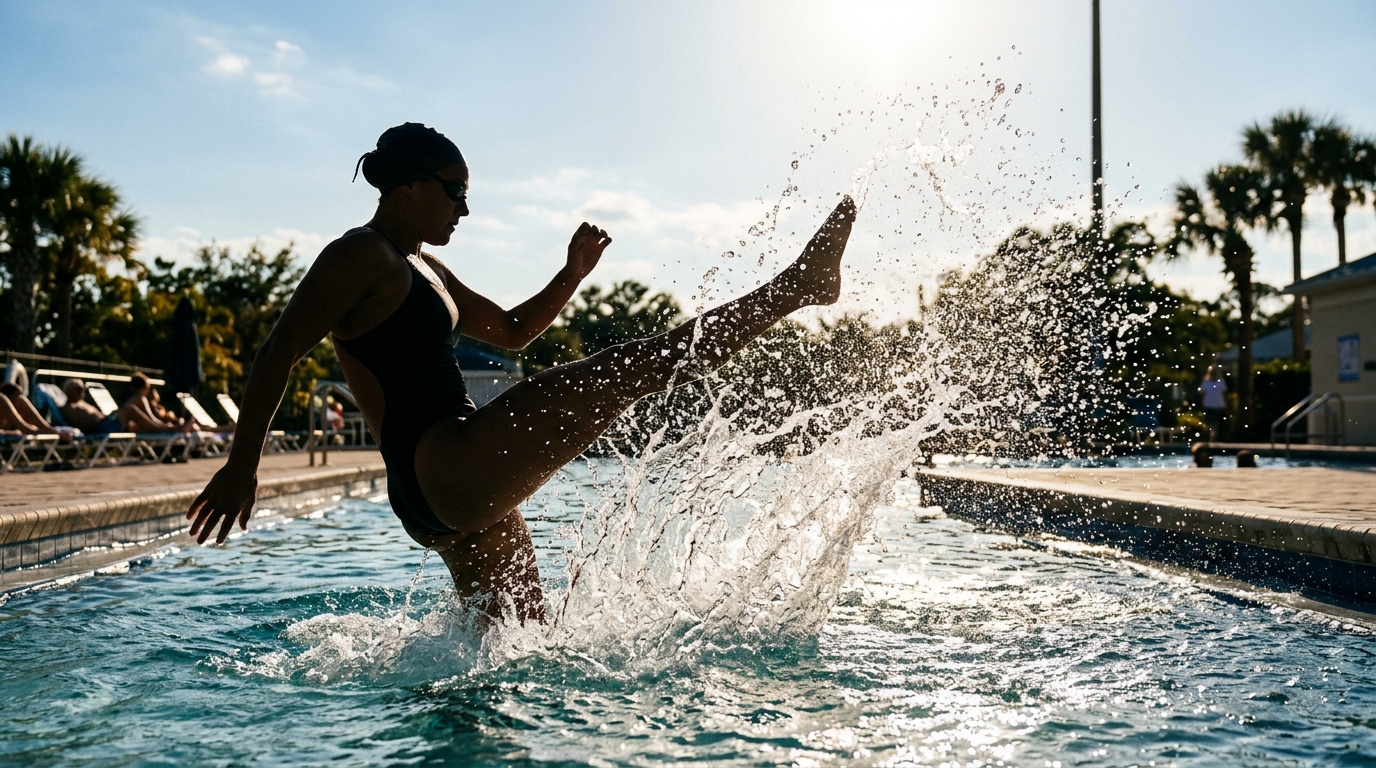
The first exercise, called forward kicks, is performed standing with your feet parallel and your navel drawn toward your spine to engage your core. The movement involves extending one leg forward while pushing the opposite arm in the same direction, then alternating sides. It’s recommended to do 20 to 25 repetitions per leg, making sure to keep the supporting knee slightly bent to protect the joint. This exercise works on cardio, coordination, and balance.
These two movements optimally combine lower-body muscle strengthening with calorie burning. The water’s resistance on your thighs and glutes intensifies the toning effect, which directly helps smooth the skin and reduce the appearance of cellulite.
Exercises 3 and 4: Knee Lifts and Dynamic Balance
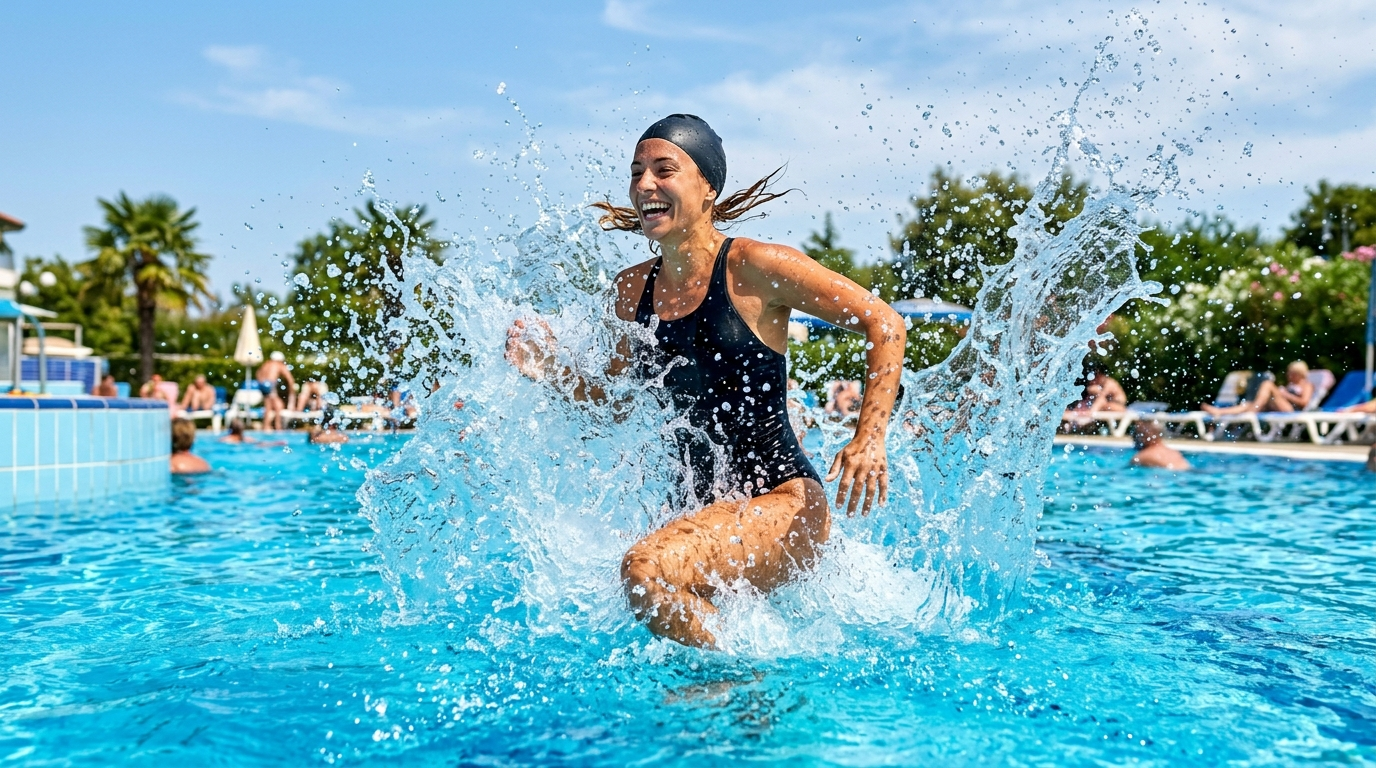
Frequency and Benefits of Marine Environment Training
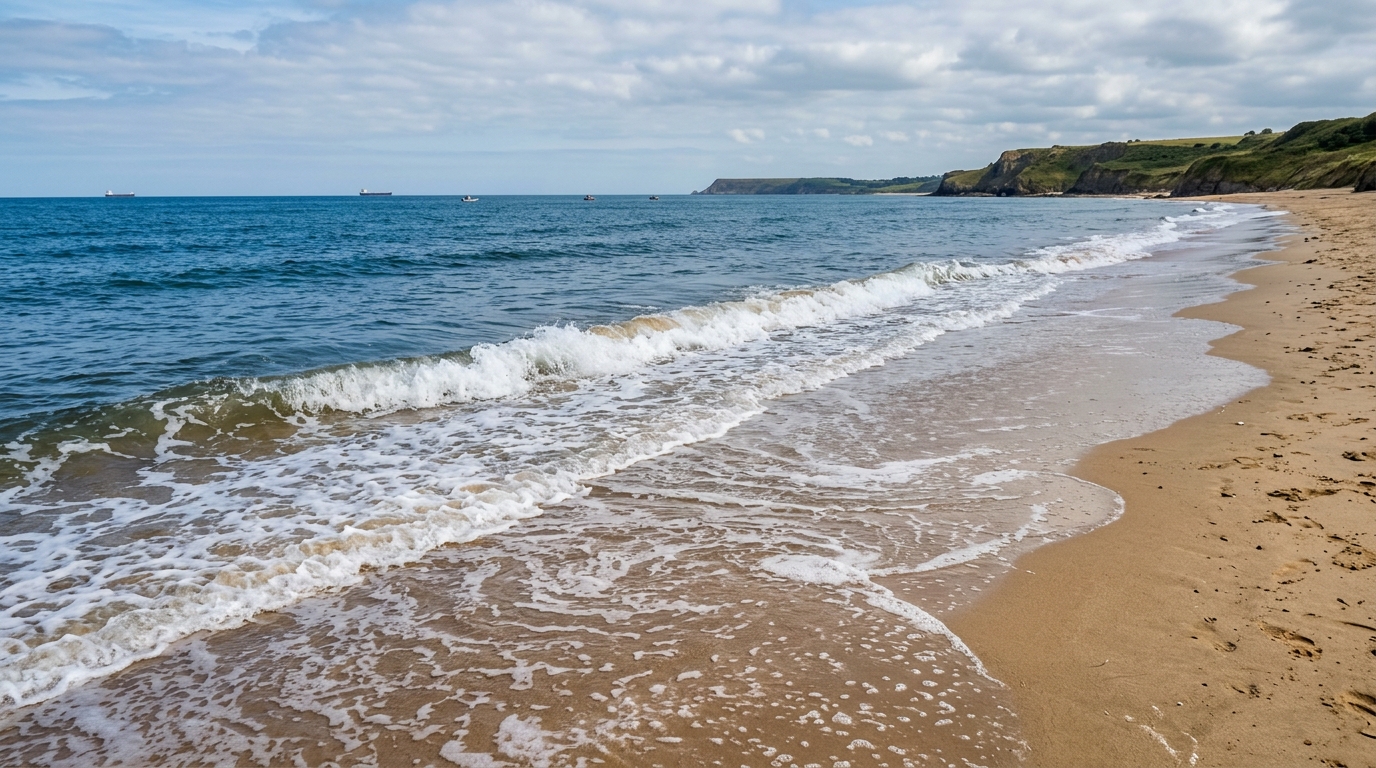
To maximize the effectiveness of this routine, it’s recommended to do it three times a week. While a pool works perfectly well, performing these movements in the ocean offers significant added benefits. The sea salt and minerals in saltwater provide a gentle natural exfoliation for the skin, promoting hydration and suppleness more effectively than in freshwater.
By incorporating these simple exercises into your summer routine, you’ll boost your venous return over the long term while actively combating fat storage. This holistic approach helps sculpt your figure while letting you enjoy the soothing benefits of water during the warmer months. For any medical questions, consult a qualified healthcare professional.
Source: notretemps.com
Aqua Aerobics: 4 Powerful Water Exercises to Tone Your Body and Get Rid of Cellulite This Summer
