

A Major Discovery in the Cosmic Suburbs
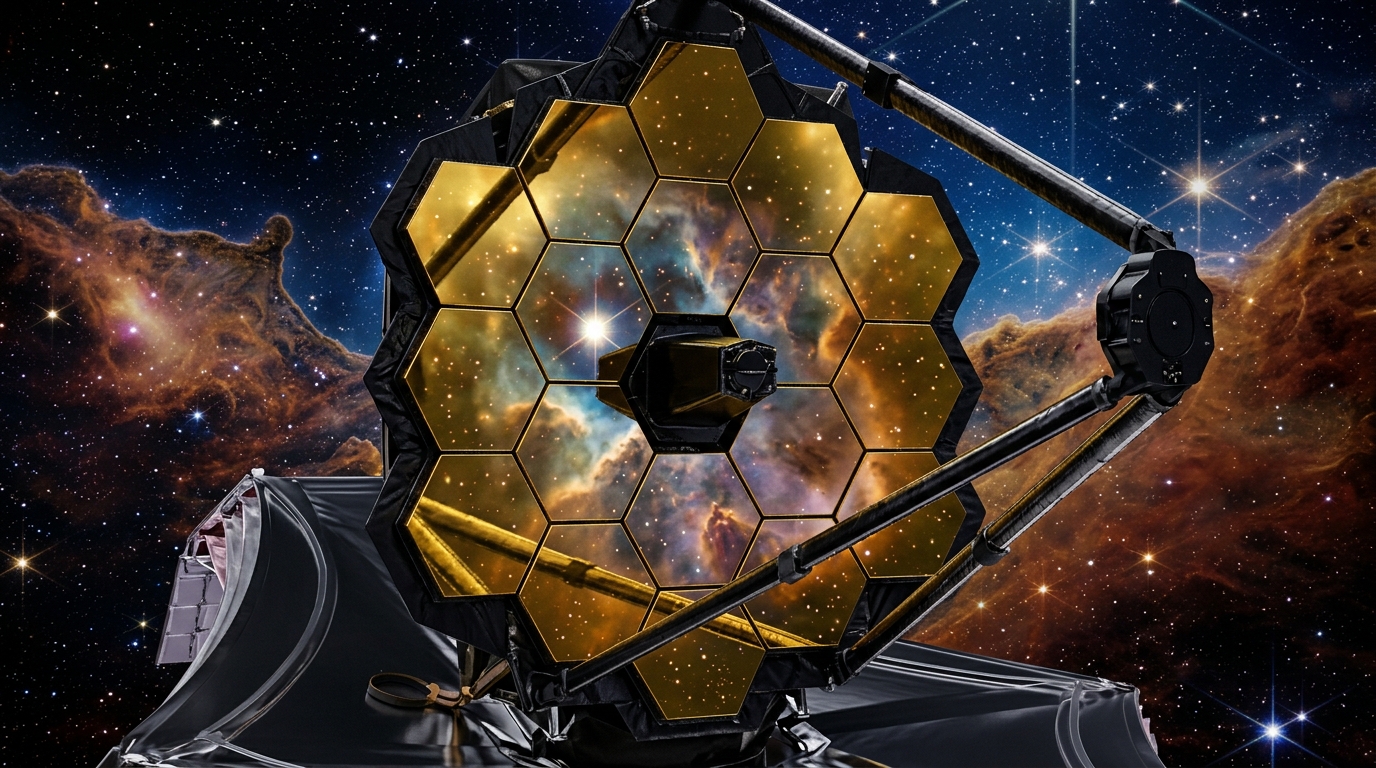
This discovery stands out not only for its result but, above all, for the revolutionary detection method used to achieve it. Unlike its two older siblings, Beta Pictoris d was not discovered simply based on its visual brightness. Instead, scientists detected its unique chemical signature in the atmosphere—a technological feat that could redefine the search for distant worlds in the universe.
A Revolutionary Spectral Analysis Method
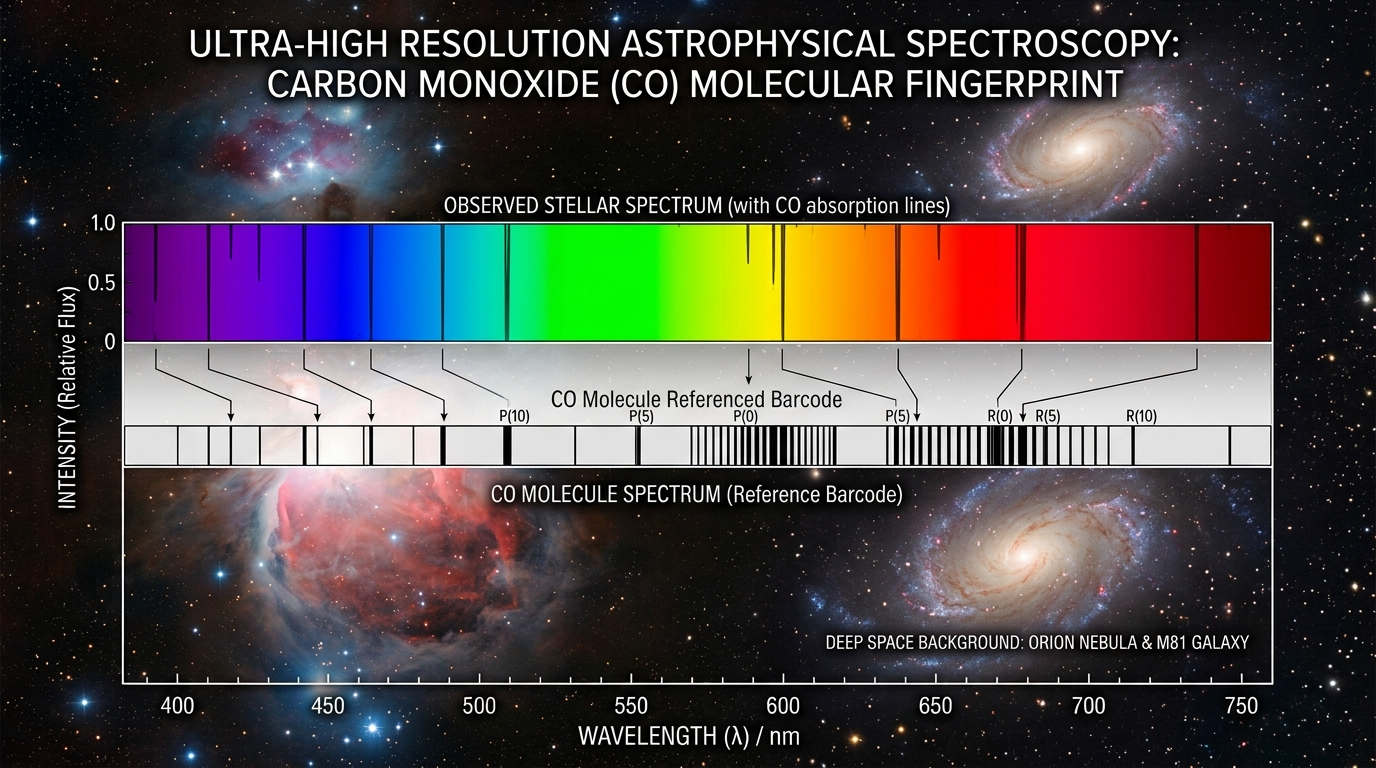
The key to this breakthrough lies in the use of the James Webb Space Telescope’s Near-Infrared Spectrograph (NIRSpec). Originally, the research team led by Aidan Gibbs, a postdoctoral researcher at the University of California, San Diego, was not aiming to find a new planet. The scientists were using NIRSpec’s integral field unit to analyze in detail the atmosphere of Beta Pictoris b, a world that was already well documented.
As the researcher explains in a study published in the journal Astrophysical Journal Letters, chance played a decisive role. “We weren’t looking for a new planet,” said Aidan Gibbs. “We were trying to understand a planet we already knew existed. That’s when this telltale signal appeared in the data, where we weren’t expecting it.”
The characteristics of this new giant world

The data collected allows us to sketch a portrait of this new planet. According to the researchers’ estimates, Beta Pictoris d has a mass at least twice that of Jupiter, making it the smallest of the three gas giants identified in this system. Located about 63 light-years from Earth, the Beta Pictoris system is extremely young, with an estimated age of only 23 million years.
Numerical simulations suggest that this colossus orbits its host star at a distance of about 30 astronomical units. This distance is comparable to that between Neptune and the Sun in our own solar system. Although Beta Pictoris d has the widest orbit of the system’s three known planets, its path remains just inside the inner edge of the large disk of dusty debris surrounding the star.
To corroborate this discovery, the team conducted follow-up observations using the James Webb Space Telescope’s Mid-Infrared Instrument (MIRI). These follow-up analyses revealed the presence of water vapor and methane in the planet’s atmosphere. These molecular signatures not only definitively confirmed the planet’s existence but also provided the first detailed glimpse into its atmospheric conditions.
Lifting the Veil on the Cosmic Mist

The innovative spectroscopic approach developed by the team made it possible to overcome this major obstacle. By focusing on the narrow, unique molecular signatures of the planetary atmosphere, the scientists were able to filter out the background noise generated by the dust. Jean-Baptiste Ruffio, a researcher at the University of California, San Diego, highlights the value of this method: “A spectrum contains an incredible amount of information. We don’t just learn that an object is a planet; we immediately begin to learn more about its temperature, chemistry, and motion.”
A New Era for Exoplanet Research
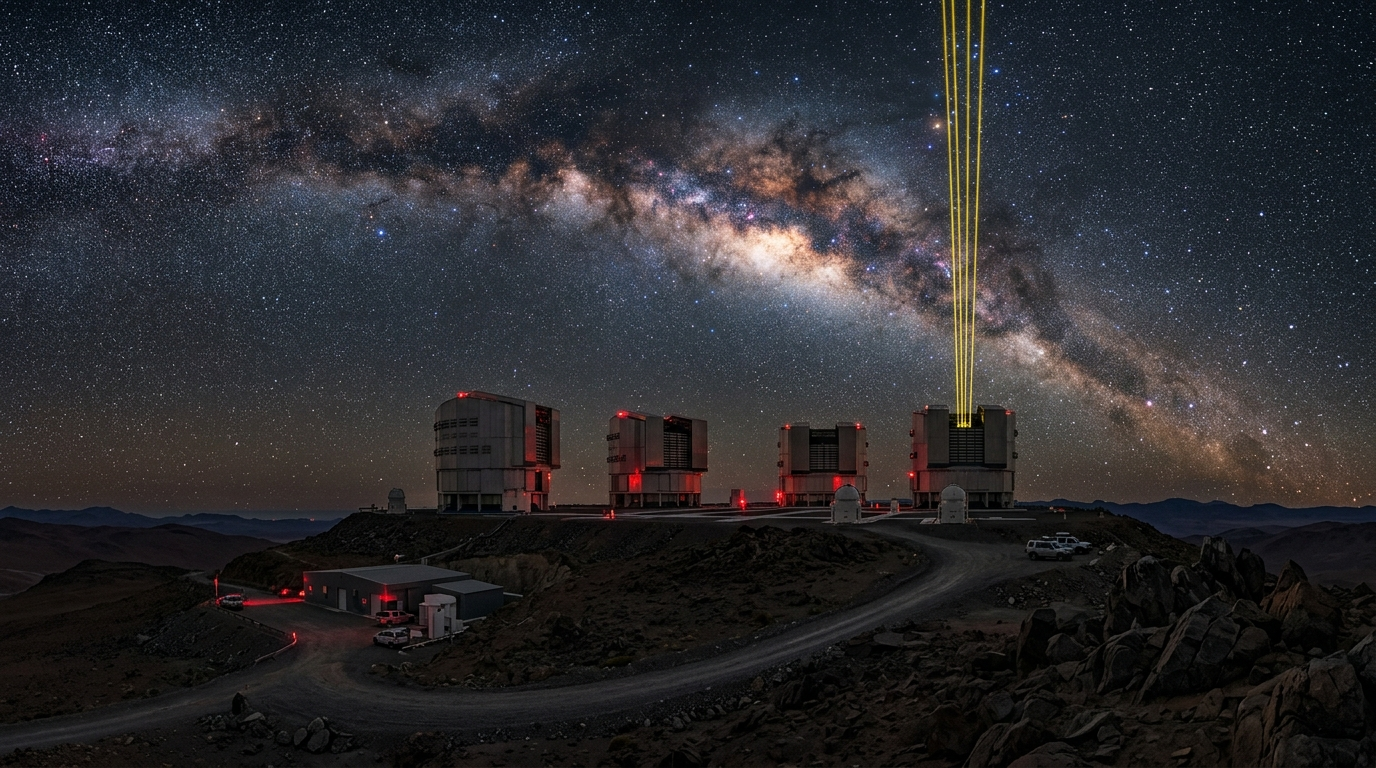
To ensure the reliability of this discovery, the results were corroborated by independent research. A separate imaging study led by Ben Sutlieff of the University of Edinburgh and Markus Bonse of the European Southern Observatory (ESO) complemented this work. By combining data from ESO’s Very Large Telescope and Webb’s Near-Infrared Camera (NIRCam), they were able to independently confirm the actual existence of Beta Pictoris d.
Source: phys.org
The James Webb Space Telescope Discovers Beta Pictoris d, a Giant Planet Hidden in a Famous Star System


