

The Number That Doesn’t Tell the Whole Story of the War
Ninety More Days
An Extension, Not a New Wave
The Vote That Sets the Term
Two Bills, a Framework for War
Procedure as a Breath of Democracy
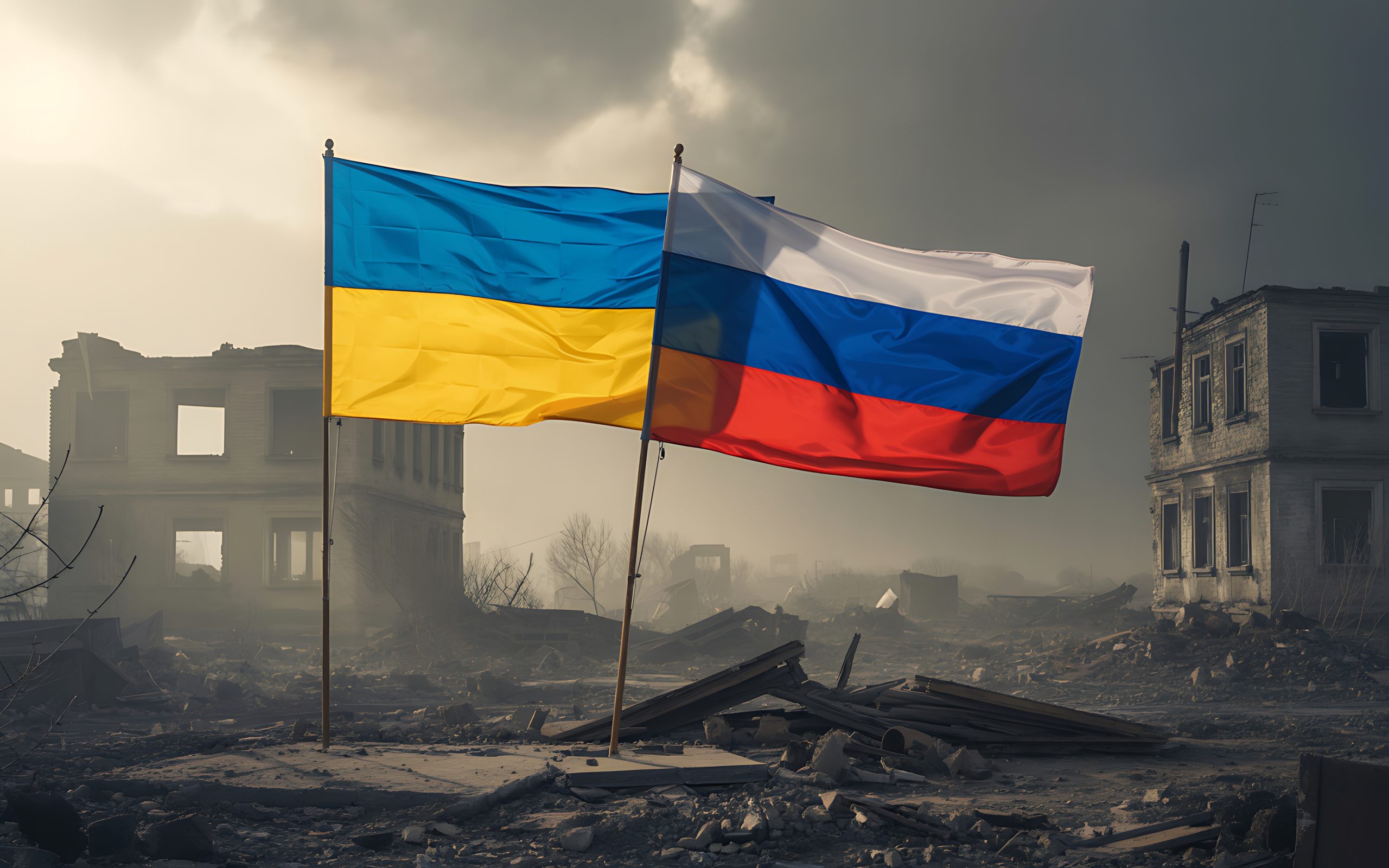
The Rada gives institutional form to a military necessity. This form matters, especially for a country defending its territory against Russia’s large-scale aggression, which began on February 24, 2022. The primary cause of the state of war and mobilization remains this invasion, not some abstract preference on the part of the state for emergency governance.

The Line Between Framework and Appeal
What the Law Permits
To say “eligible for mobilization” is therefore not the same as saying “called up.” Between eligibility and enlistment lie data verification, procedures, summons, evaluation, and the rules applicable to each situation. A serious report must maintain this distinction, even when the word “mobilization” immediately conjures the image of a wave.
The age requirements in this law remain unchanged

The Body Under Conditions
Fitness is not an abstraction
Dignity in the Boxes

The Registry as a Second Front
Daily Obligations
This obligation seems modest on paper. Yet it alters one’s relationship with time. A person may never receive a summons and yet live with the administrative possibility of receiving one. The law does not merely occupy the moment of a decision; it permeates travel, documents, and changes of address or circumstances.
Reserve+ and the Promise of Control
The Reserve+ app allows users to check their registration status and certain deferrals. An update to one’s data does not automatically trigger mobilization. This distinction protects against a specific fear: the fear of believing that a compliance procedure already amounts to being on the path to military service.
Digitization can also create its own unease. It promises more accessible information, but it makes the relationship with the government more continuous and visible. The tool does not single-handedly determine a person’s fate; nevertheless, it is part of an infrastructure where statuses, deferments, and obligations become publicly accessible.

Work Caught Between Two Duties
Reserving Critical Jobs
Consent is not an infinite resource
Prolonged mobilization puts the economy and the military in the same boat, but it does not automatically distribute the storm’s impact equally.

Prevented from Leaving, Citizenship Withheld
A Restriction Under Martial Law
In the government’s reasoning, this restriction protects the nation’s ability to defend itself. In individual experience, it can be felt as a suspension of the freedom to leave, even when no immediate draft notice has been received. These two truths can coexist without one negating the other.
Exceptions Do Not Ease the Grip

The Absent Demobilization
Service with No General Discharge
Succession: A Matter of Justice
An army cannot endure by treating its members as an inexhaustible reserve. It must ensure the next generation of soldiers, rotation, and understandable rules—even when the operational situation makes any timeline precarious.

The Shortage Behind the Text
The military need is real
Don’t Jump to a Military Verdict
Society Caught Between Courage and Exhaustion
Patriotism does not erase fatigue
The Risk of Widespread Suspicion

Women and Volunteers
A Different Obligation
Women registered in the military registry are called up only on a voluntary basis. This rule distinguishes between registration—which is part of the registry—and mobilization, which does not occur automatically. It serves as yet another reminder that mere inclusion in an administrative system is not sufficient to trigger a call to arms.
This distinction does not diminish women’s contribution to the defense of the country. It describes the authorized framework within the record. Any analysis that were to transform this rule into a general narrative about social roles would go beyond the available facts; it is better to acknowledge the legal precision without reading more into it.
The Contract as a Regulated Choice

What the West Must Understand
Support Without Romanticizing
The allies of Ukraine, NATO, and the West must support Ukraine’s right to defend itself. This support must take the form of security, resources, and political steadfastness. It should not involve romanticizing mobilization, as if every extension were merely a testament to willpower and never a burden imposed on real people.
Criticism That Strengthens the Alliance
A serious ally doesn’t just ask how long Ukraine can hold out; they ask how it can hold out without losing the trust of those who sustain it.

The Statistical Fallacy to Avoid
What the report does not know
Rigor as Solidarity
In the Ukrainian context, factual rigor is a form of solidarity. It protects the public from alarmism and also protects the Ukrainian cause from flimsy claims. Saying “we don’t know how many” does not diminish the gravity of the mobilization; it shows that the gravity does not need to be exaggerated.

A war that demands accountability
Necessity Is Not a Blank Check
Trust as a Strategic Resource
Defending the territory remains the priority, but the public’s trust is the infrastructure that enables this priority to endure.

The Verdict on Reauthorization
What It Demonstrates
What it does not demonstrate
The verdict must therefore remain twofold. Yes, the extension is necessary for Ukraine’s defense capabilities in the context of Russian aggression. Yes, it also reveals a social burden that cannot be treated as a mere formality.
Columnist’s Transparency Box
Editorial Stance
Methodology and Sources
This text respects the fundamental distinction between verified facts and interpretive analyses. The methodological rule is consistent: factual information is published only if it is supported by a verifiable source, and the sources actually used in this article are listed under “Sources,” never here.
Categories of primary sources used by the publication, when applicable: official communiqués from governments and international institutions, public statements by political leaders, reports from intergovernmental organizations, and dispatches from recognized international news agencies.
When an article cites statistical, economic, or geopolitical data, it is sourced from data-producing institutions (intergovernmental organizations, central banks, national statistical agencies), and the specific institution is listed under “Sources.”
Nature of the Analysis
COLUMN: Ukrainian Mobilization: The Organized Attrition of a Long War
This content was created with the help of AI.


