

A New Understanding of Irritable Bowel Syndrome and Anxiety
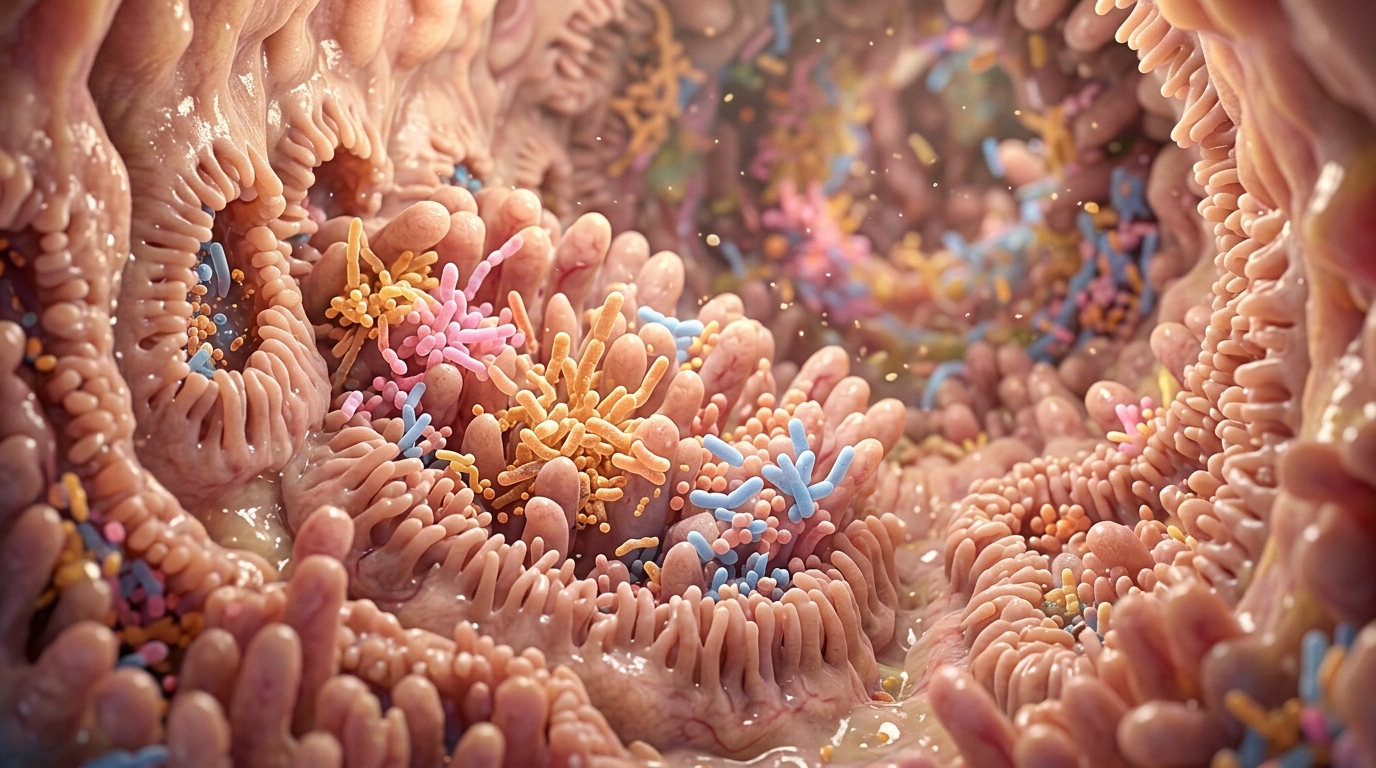
Although the frequent association between irritable bowel syndrome and anxiety has been well documented, the biological processes linking these two phenomena had not yet been fully elucidated. As reported by the specialized website Medical Xpress, a leading hypothesis suggests that bacteria and other microorganisms living in the digestive tract—commonly referred to as the gut microbiota—contribute to these complex biological mechanisms.
Clinical Observations on the Link Between Digestive Health and Mental Health
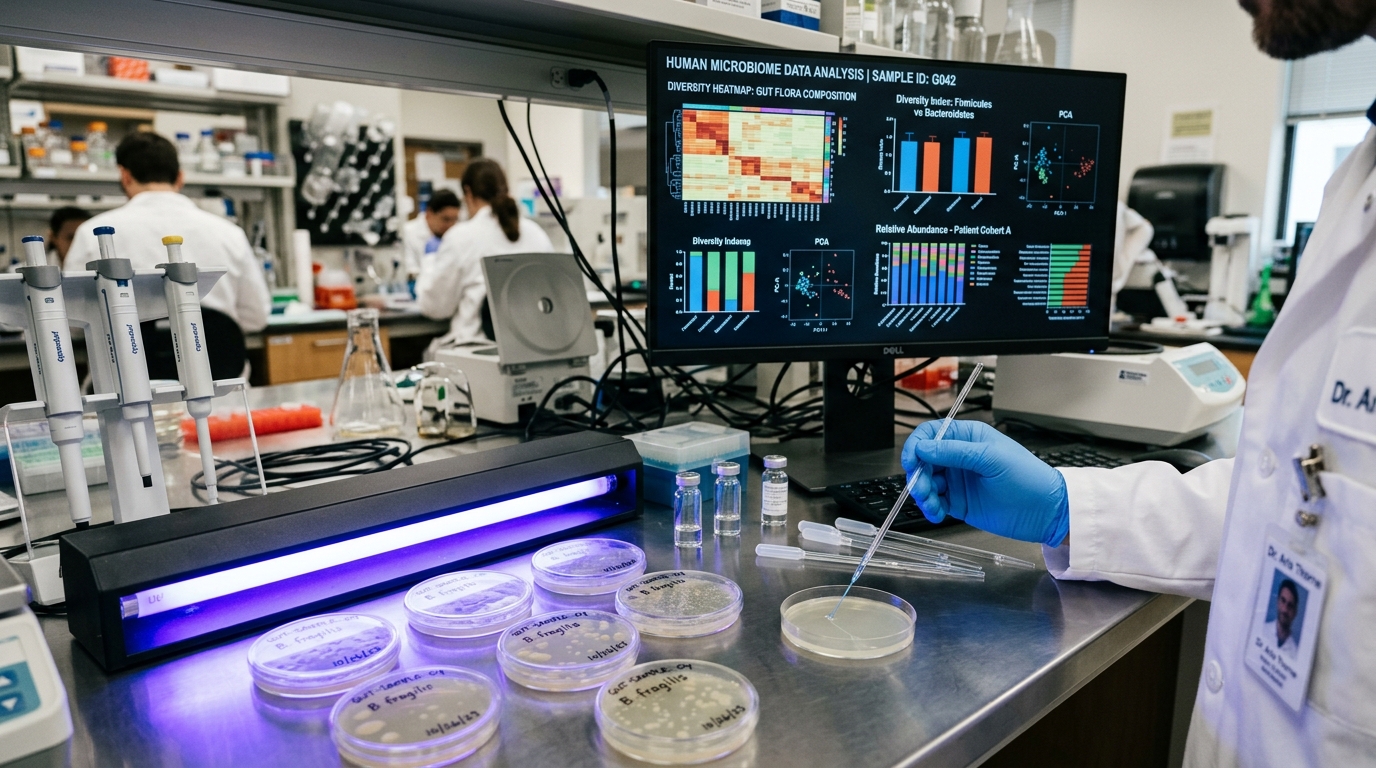
“In clinical practice, we have frequently observed a high prevalence of anxiety among patients with IBS-D,” said Bai Tao, the study’s lead author, in an interview with Medical Xpress. This clinical observation served as a starting point for further neurological and microbiological research.
The medical expert explained the team’s motivations: “Although several studies have suggested that the gut microbiota exerts significant influences on gut-brain interaction disorders, the underlying mechanisms remain largely uncharacterized. This prompted us to conduct this study, which aimed to elucidate the neuropathological basis of anxiety in IBS-D and to identify potential therapeutic targets based on the microbiota.”
The central role of the amygdala and findings from animal models
“We then developed a mouse model of stress that replicated the human symptoms of IBS and anxiety,” explained Bai Tao, detailing the research group’s methodology. This laboratory phase allowed scientists to specifically manipulate the subjects’ gut environment to observe the direct neurological consequences and isolate the impact of the bacterial flora.
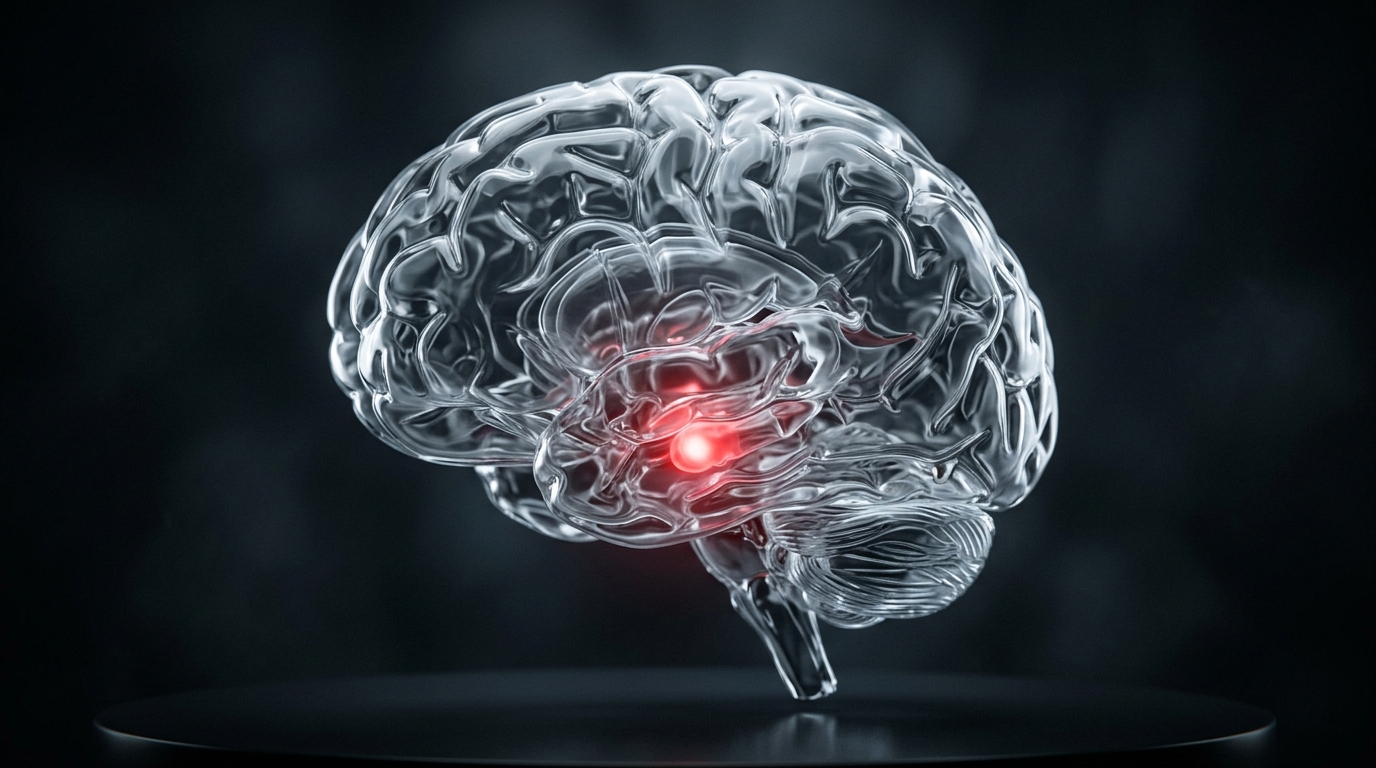
The results of this experiment were conclusive regarding the fundamental role of the microbiota. “Fecal microbiota transplantation confirmed that gut bacteria alone triggered both intestinal pain and anxious behaviors in mice. We found that Phocaeicola vulgatus was much less abundant in patients and mouse models; lower levels were associated with worse anxiety and impaired amygdala function,” explained the principal investigator.
Genetic Experiments and Protective Effects on Neurons
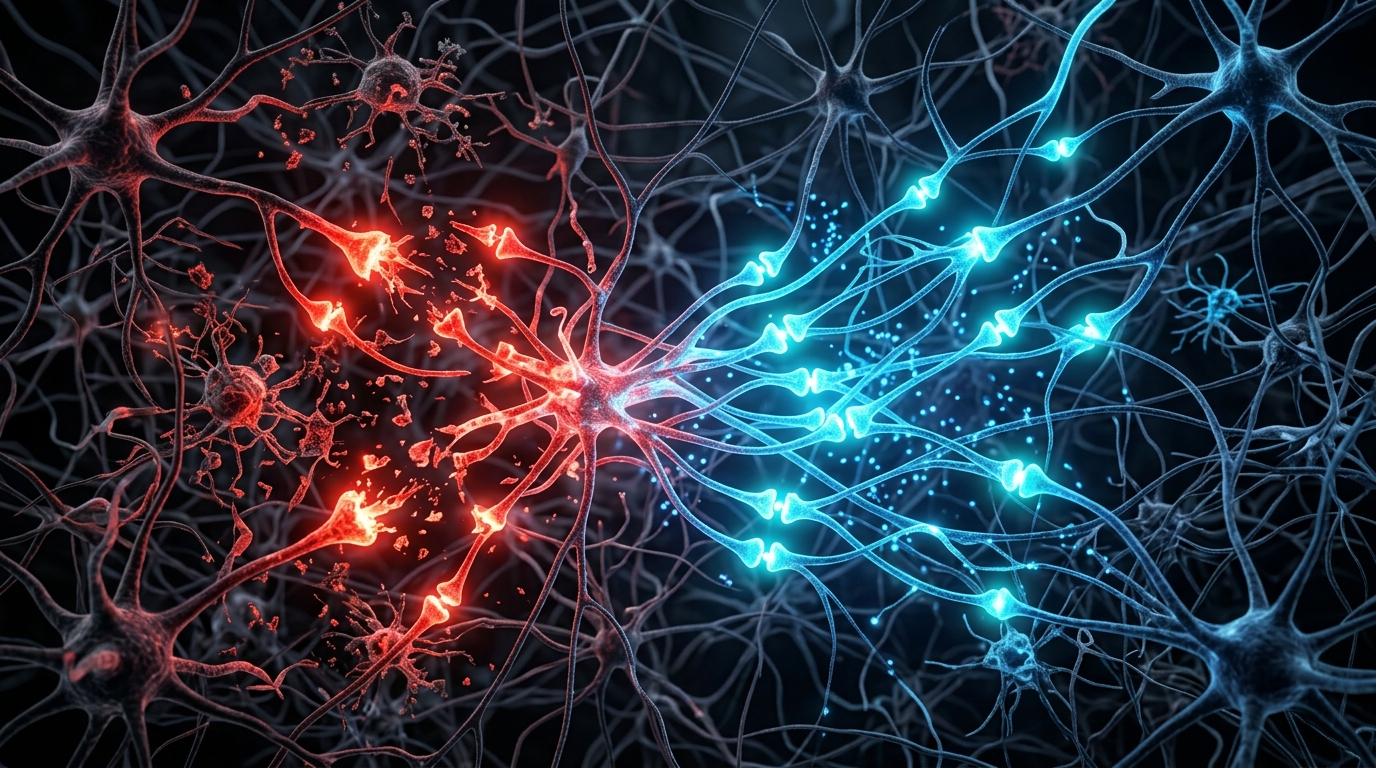
To further investigate the effects of the bacterium Phocaeicola vulgatus, the researchers conducted a series of in-depth genetic analyses on their mouse model of irritable bowel syndrome. The results of these analyses definitively confirmed that this specific bacterial strain effectively protected the animal’s brain against anxiety-related symptoms.
“Finally, administering live Phocaeicola vulgatus to the mice alleviated anxiety by reducing brain inflammation and repairing damaged neurons in the amygdala,” said Bai Tao. He then summarized these findings by stating: “We have discovered that Phocaeicola vulgatus is depleted in patients with IBS-D and in anxiety-prone mouse models, and that it genetically protects against anxiety.”
This innovative biological approach opens up a particularly promising avenue of treatment for modern psychiatry. “Supplementation with this bacterium alleviates anxiety by reducing neuroinflammation in the amygdala and repairing damaged neurons. This study provides a new concept for psychobiotic treatment for IBS patients suffering from anxiety, and bilateral amygdala signals may serve as a biomarker for comorbid anxiety in IBS-D,” concluded the study’s author.
Clinical Implications and Development of Future Postbiotic Treatments
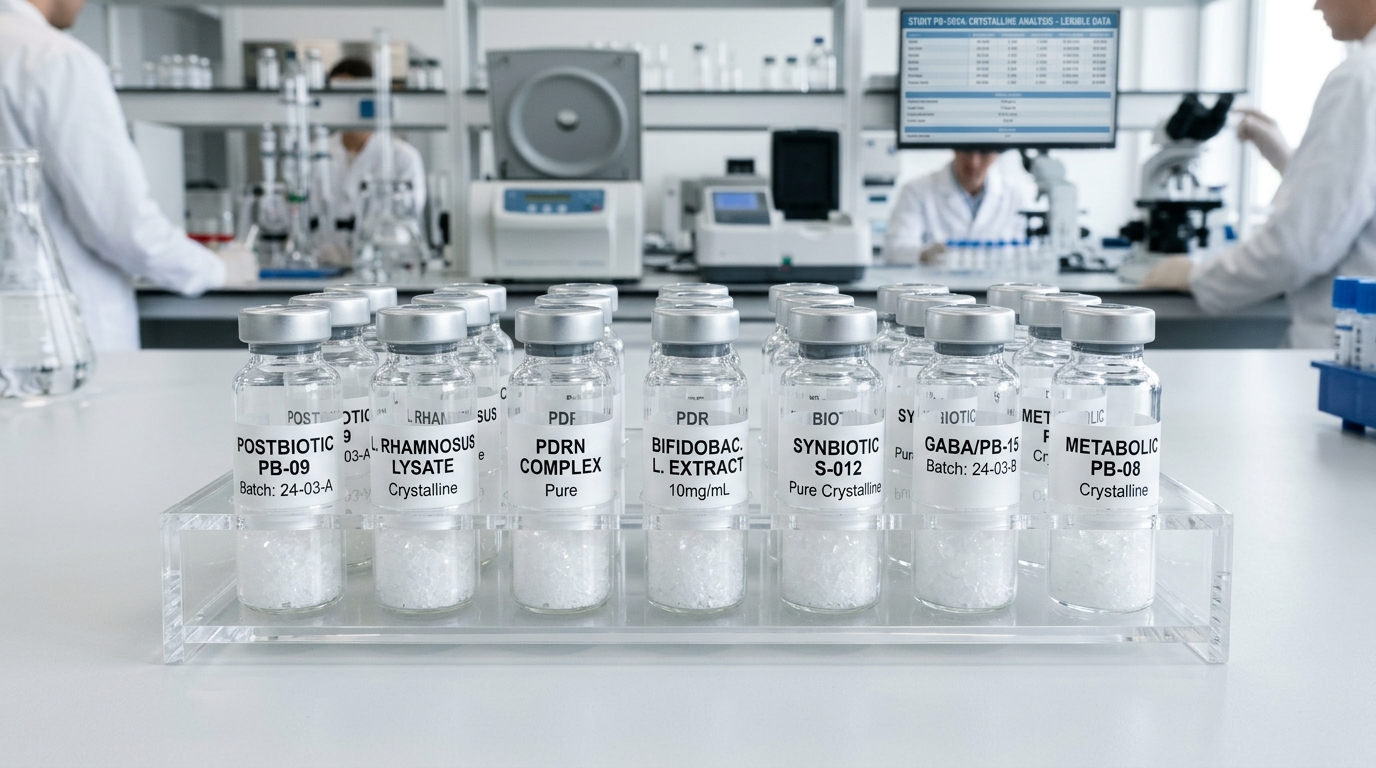
As part of their next scientific steps, the teams in Wuhan and Huazhong plan to evaluate the potential of treatments based on derived strains. “We will explore specific metabolites of Phocaeicola vulgatus that cross the blood-brain barrier to regulate brain inflammation,” added Bai Tao. “We also plan to develop safer postbiotics (i.e., beneficial byproducts left behind when healthy gut bacteria digest fiber or multiply) instead of live bacteria, to avoid the risk of infection.”
Source: medicalxpress.com
A gut bacterium may help relieve anxiety and diarrhea-predominant irritable bowel syndrome


