

The Mystery of the Dom van Keulen: How Gold Coins Helped Identify a Dutch Ship That Sank in 1633


The Mystery of Salcombe Bay Solved After Three Decades
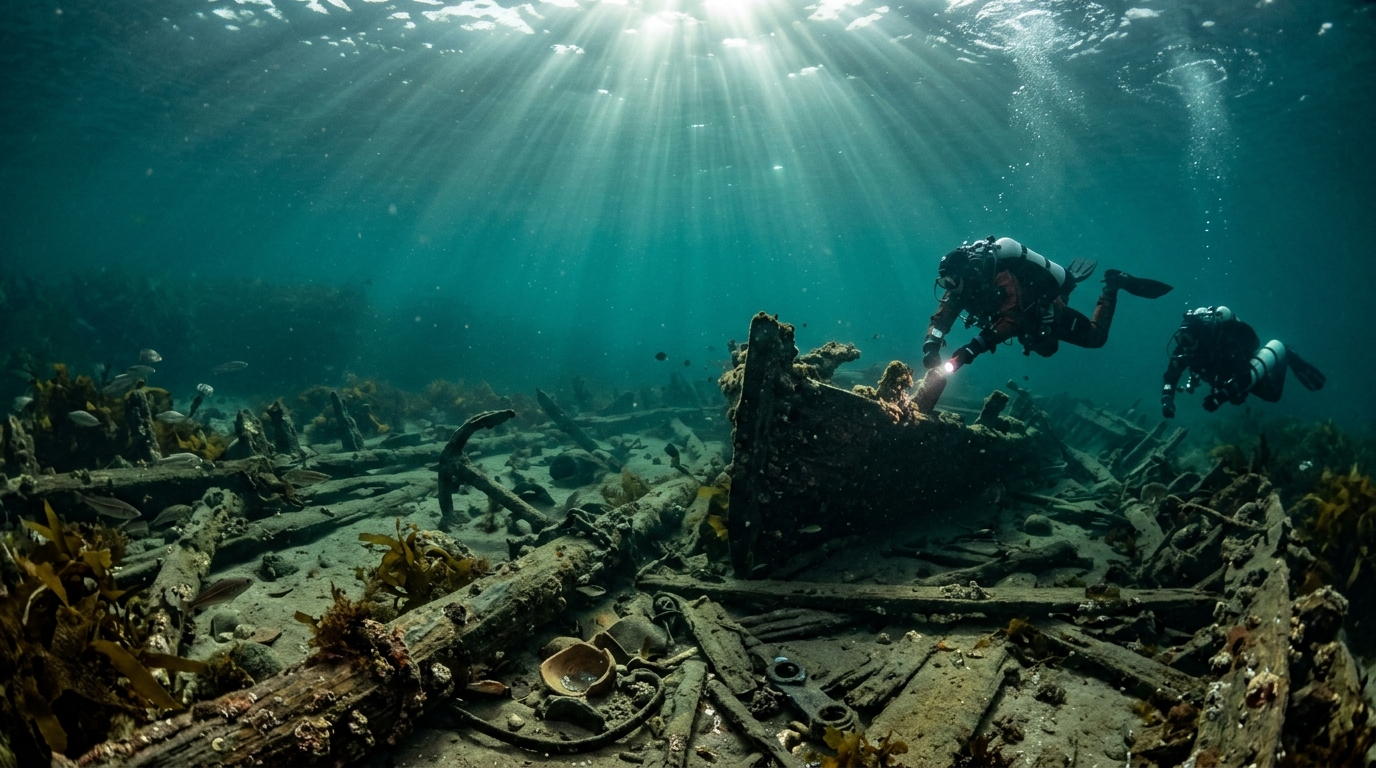
The Underwater Discovery and Initial Red Flags
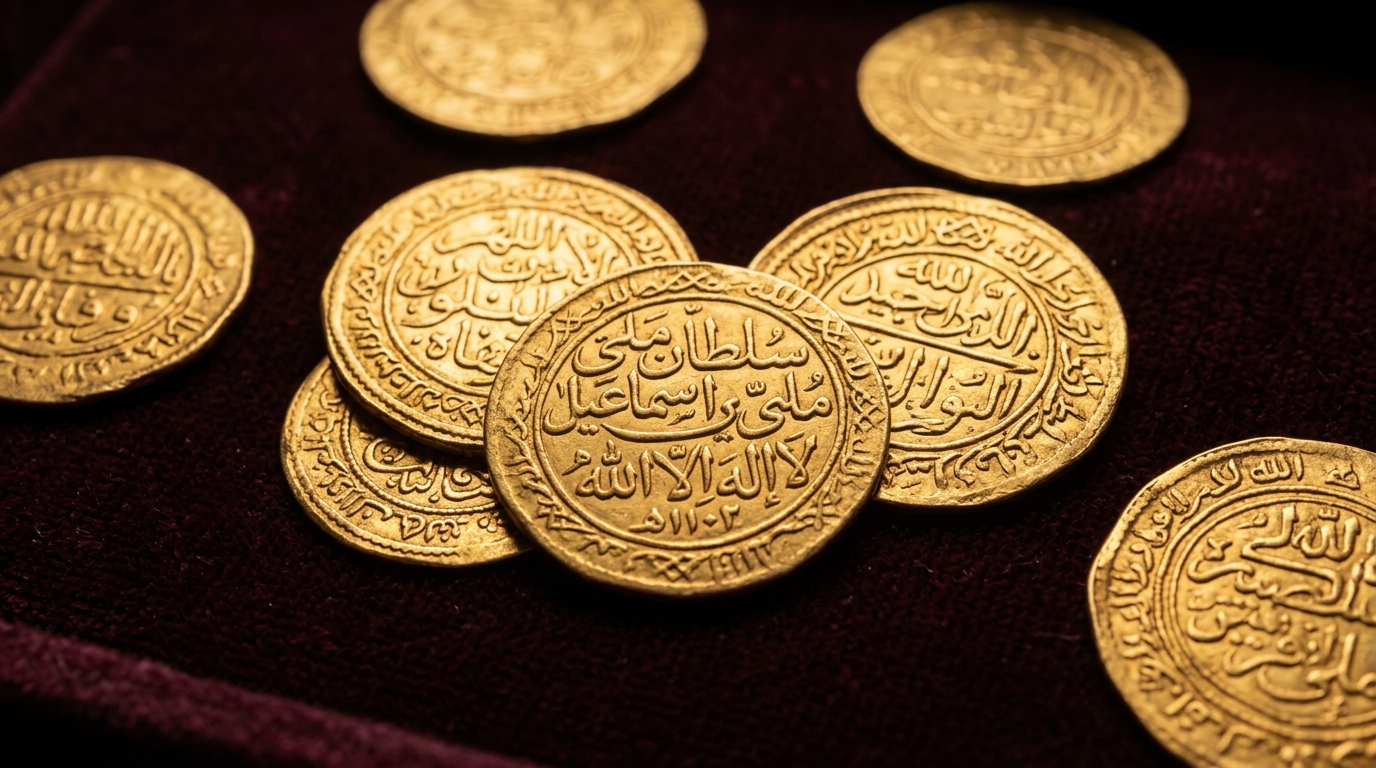
It was diver Ron Howell who first discovered the gold while exploring the seabed off Salcombe Bay in Devon. After reporting his discovery to the Receiver of Wreck—the British government agency responsible for managing shipwrecks—a team of specialists began methodically mapping the underwater site.
The key to the mystery lies buried in London’s archives
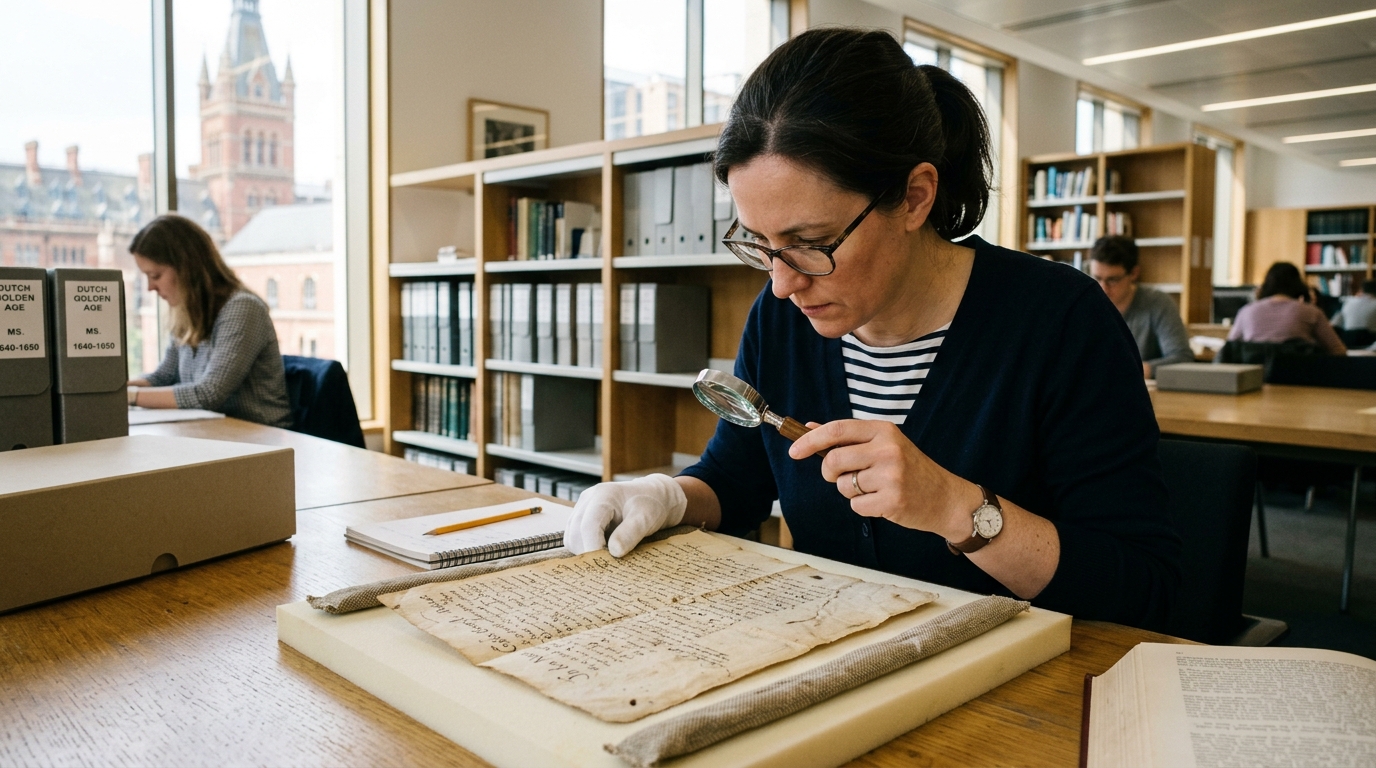
Among these judicial records, he discovered a report of a ship lost in December 1633, filed by two merchants from Amsterdam. Their vessel had departed from Safi, Morocco’s busiest port at the time, but never reached its destination.
One of the merchants’ statements described in detail a cargo of 9,000 gold coins known as “Barbarian ducats,” accompanied by sacks of gum and hides, which matched the Salcombe finds perfectly. The most recent coin found at the site dates to 1632, confirming the timeline of the tragedy.
A snapshot of 17th-century trans-Saharan trade

The cargo of the Dom van Keulen offers a fascinating glimpse into early modern trade routes. The ship had departed Morocco with 150 sacks of gum arabic—an acacia sap used in the manufacture of inks and medicines—as well as 64 sacks of saltpeter, an essential component of gunpowder.
This pure and abundant gold was a highly coveted resource among Dutch merchants. The crew had managed to recover most of the cargo shortly after the shipwreck because they knew the exact location of the wreck. The approximately 400 pieces that remained on the seabed—inaccessible at the time—are now preserved and partly on display at the British Museum along with the recovered jewelry.
Everyday Objects and the Fate of the Crew
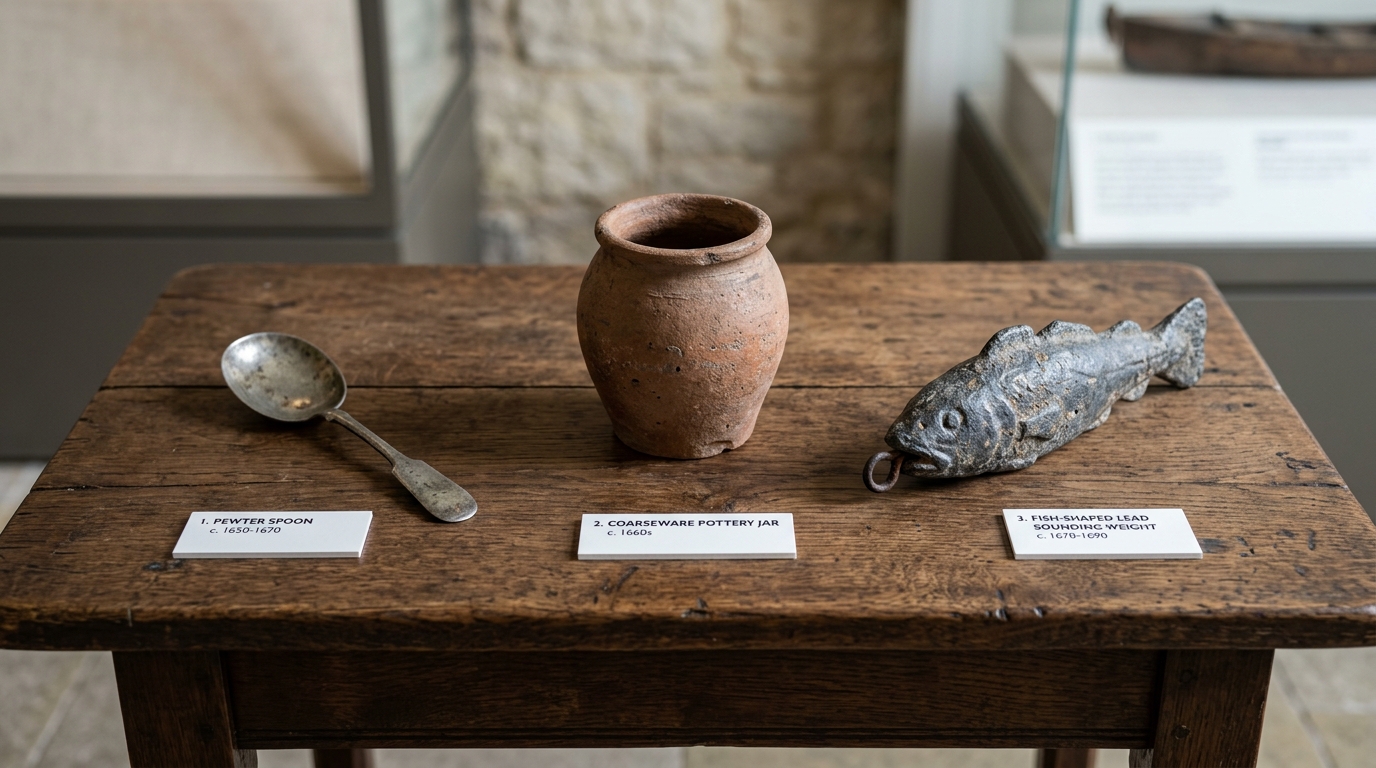
Some discoveries proved particularly unusual, such as perfectly preserved resin-coated pills, offering a rare glimpse into maritime medicine of the time. Moroccan-crafted gold jewelry—rarely found in such a precisely dated historical context—was also recovered from the sand.
The crew fared better than their ship. As water flooded the vessel, the sailors dropped anchor about 400 meters from Salcombe and rowed toward shore in the ship’s rowboat, allowing all the men to escape with their lives.
A Major Numismatic Discovery for History
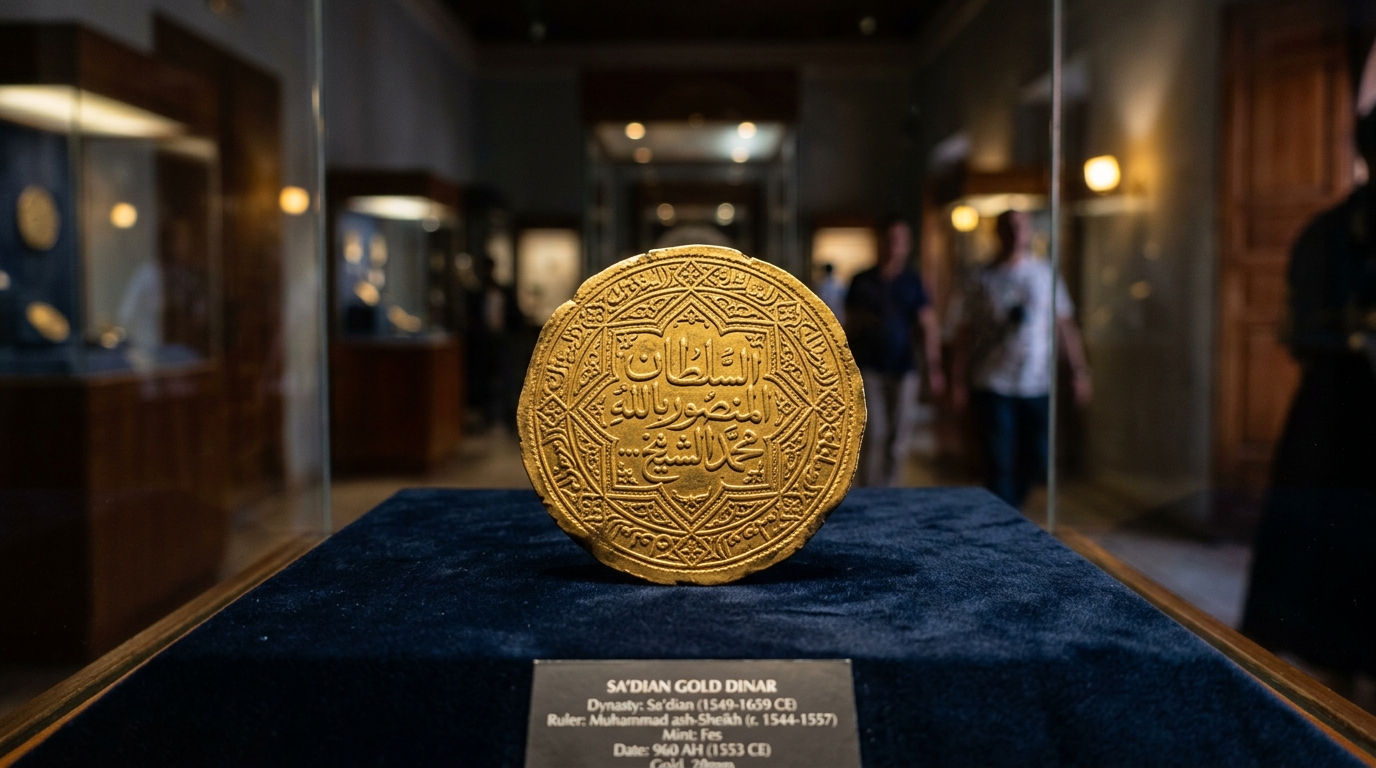
“This provides important context for the wealth and architecture of the Saadian Sharifs, the African gold trade, and serves as tangible evidence of the flourishing 17th-century maritime trade linking Morocco, the Netherlands, and Great Britain,” explains Professor David Parham in the conclusions of his research.
The Unfinished Journey of Barbary Gold

Upon arrival in Amsterdam, Moroccan coins of this type were generally not intended to remain there for long. Dutch merchants melted down the foreign gold to re-strike it in the form of their own ducats—coins that became one of the most widely accepted currencies in the world for centuries.
Historians now have a ship’s name, a confirmed cargo, and a precise timeline for the gold routes that once connected Morocco to Northern Europe, bringing a three-decade-long historical investigation to a close.
Source: earth.com
The Mystery of the Dom van Keulen: How Gold Coins Helped Identify a Dutch Ship That Sank in 1633
