

The Discovery of an Underground Energy Source
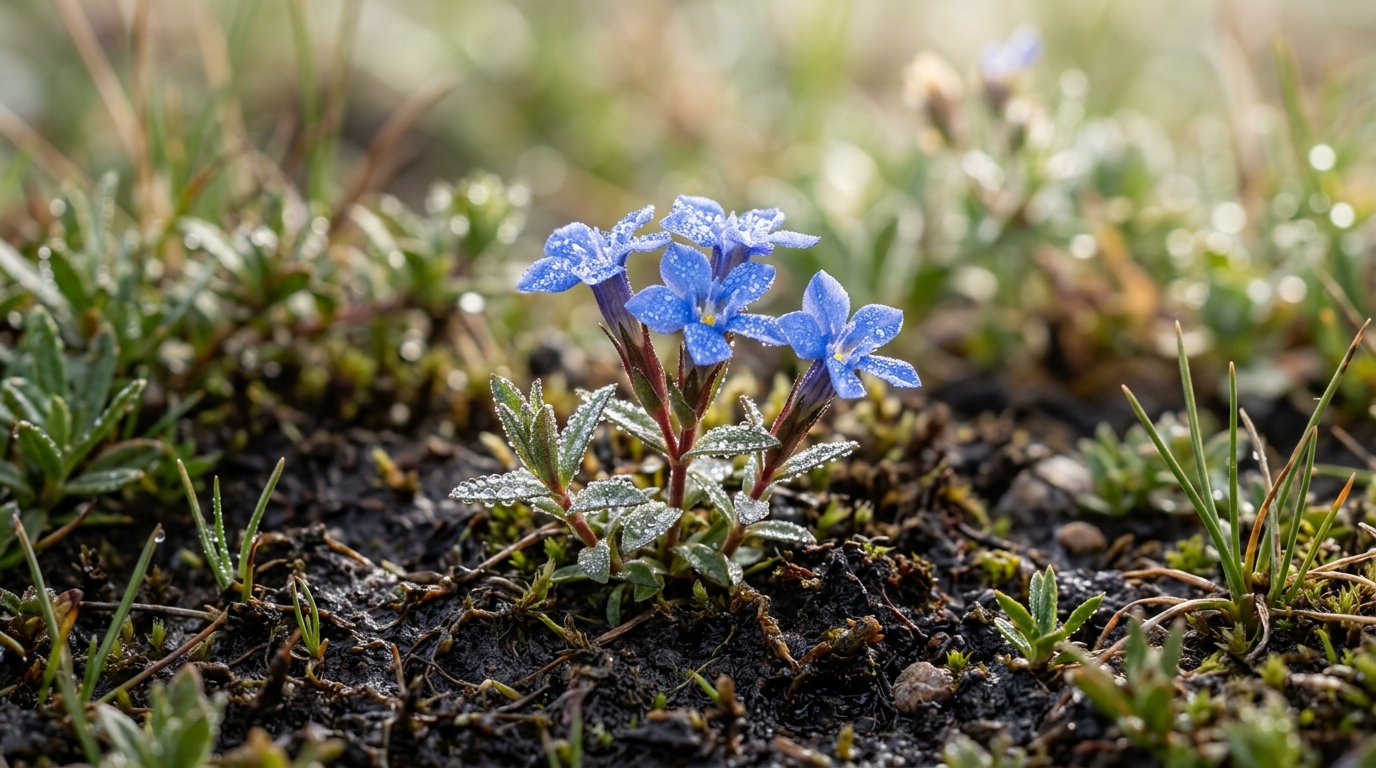
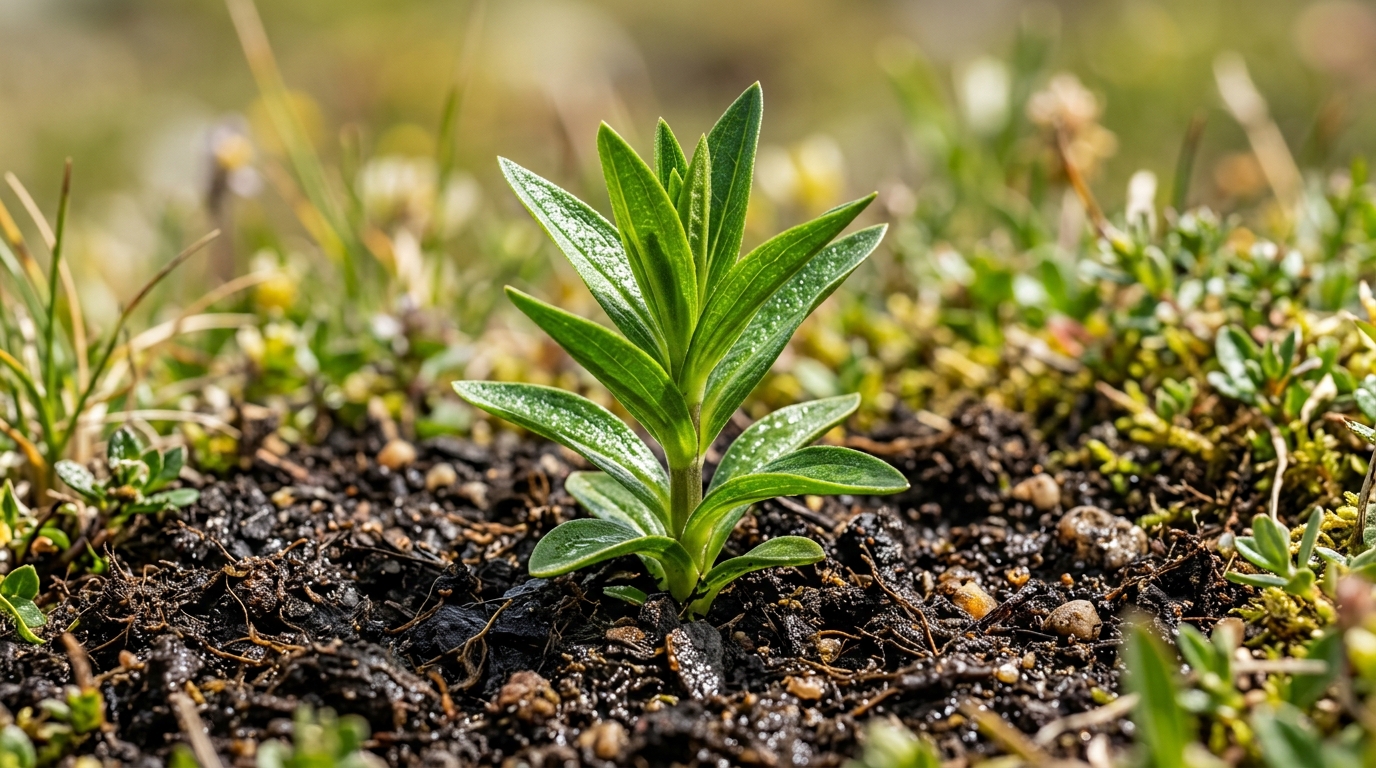
Beneath the soil’s surface lies a world of unexpected interactions that challenges our traditional understanding of plant biology. A small flowering plant, once thought to be self-sufficient, has just provided evidence of a phenomenon that scientists had long suspected but had been unable to prove conclusively. This discovery reveals the existence of complex resource flows between neighboring plant species.
The Invisible Highway Beneath Our Feet
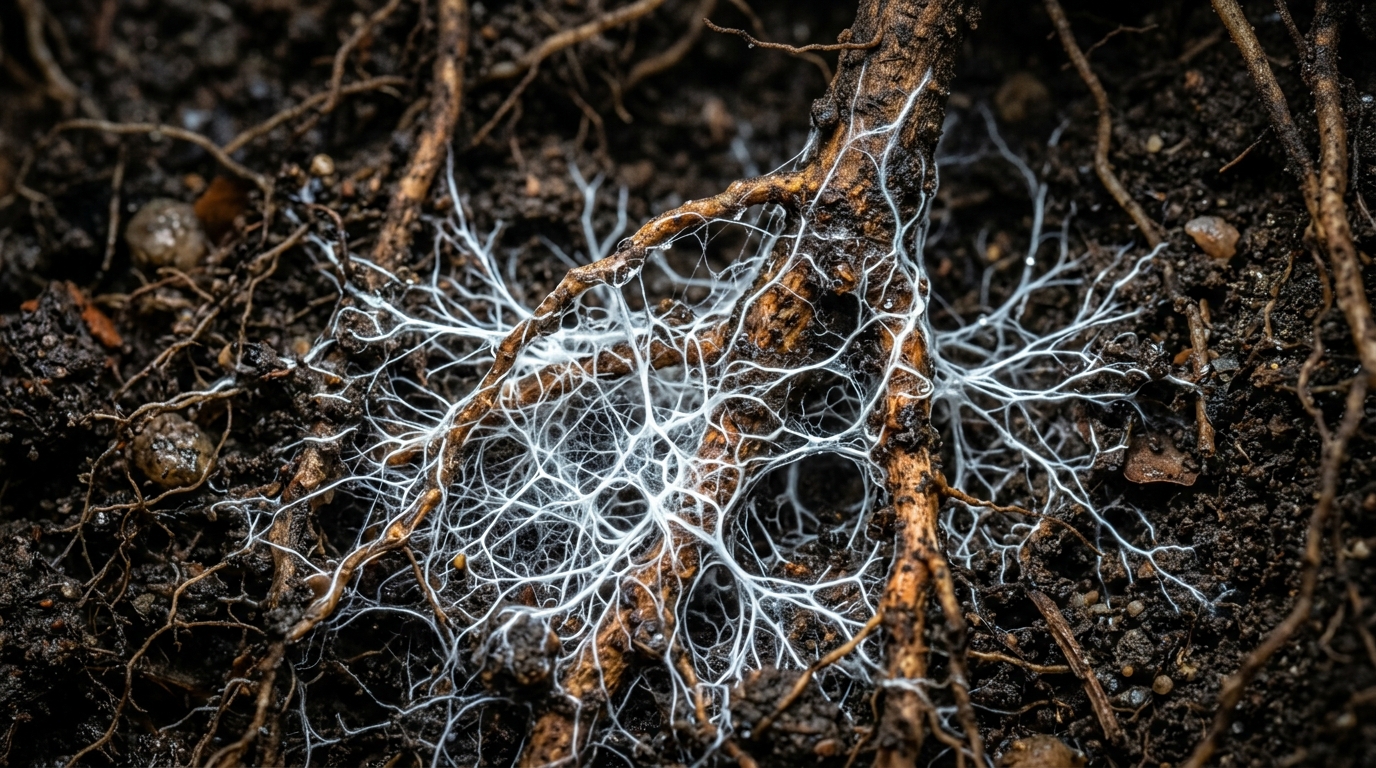
To understand this phenomenon, we must delve beneath the surface of forests, meadows, and wetlands. It is there that a complex network of fungal filaments unfolds, commonly known as the mycorrhizal network or sometimes nicknamed the “wood-wide web.” This network forges close bonds with plant roots.
In this classic symbiotic relationship, fungi help plants extract water and essential nutrients from the soil. In return, plants provide the fungi with carbon compounds produced through their own photosynthesis. This fungal network isn’t limited to a single pair; it can connect entirely different plant species living in close proximity.
The Challenge of Scientific Proof
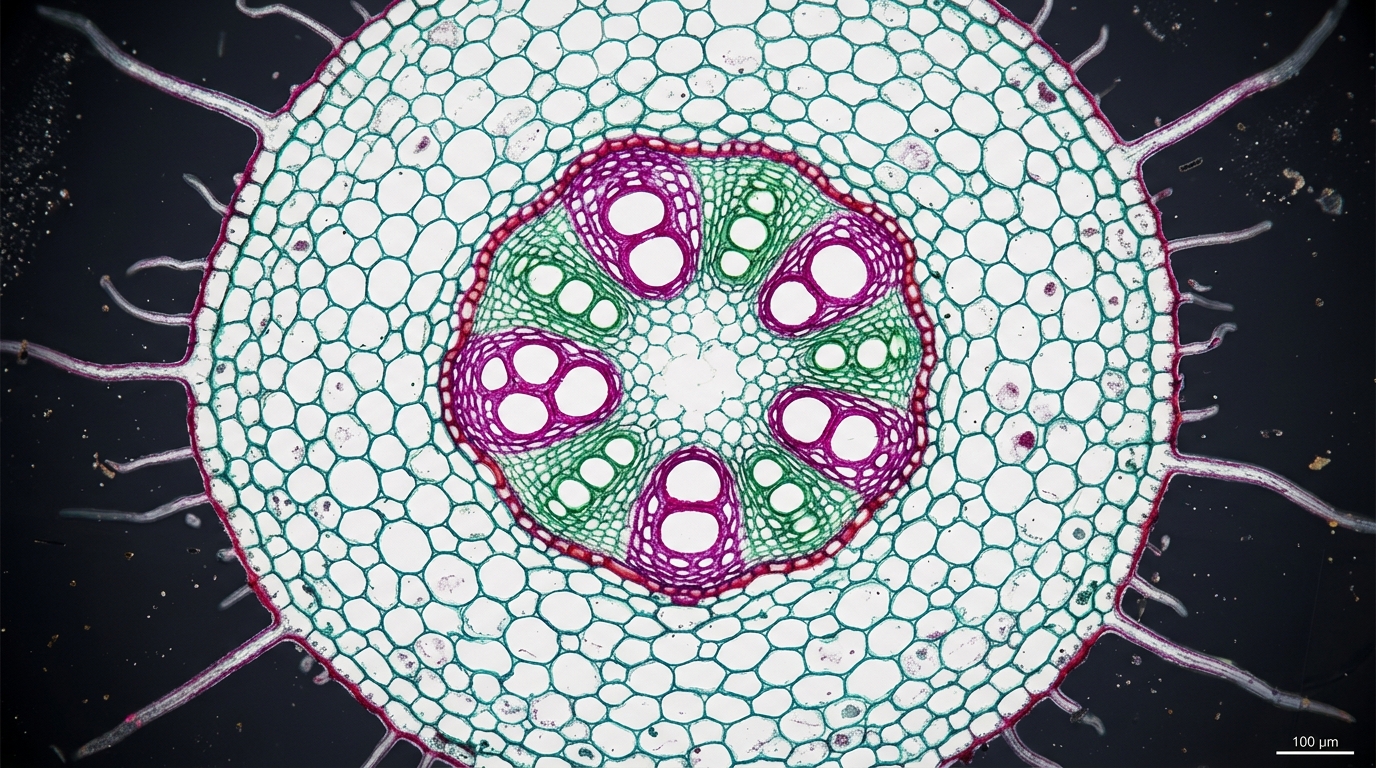
A chemical trick and an ingenious setup
To circumvent this detection obstacle, the scientists exploited a natural chemical characteristic. So-called “C4” plants naturally have a higher carbon-13 content than so-called “C3” plants. By pairing gentian with one or the other of these companion plant types, the team was able to precisely track the movement of carbon through the network.
Researcher Masashide Yamato, the study’s lead author at Chiba University, explains the fundamental principle behind the experiment: “More specifically, if carbon transfer occurs via arbuscular mycorrhizal fungal connections, the carbon-13 isotope ratio should be higher in G. squarrosa seedlings grown with a C4 companion plant than in those grown with a C3 companion plant.”
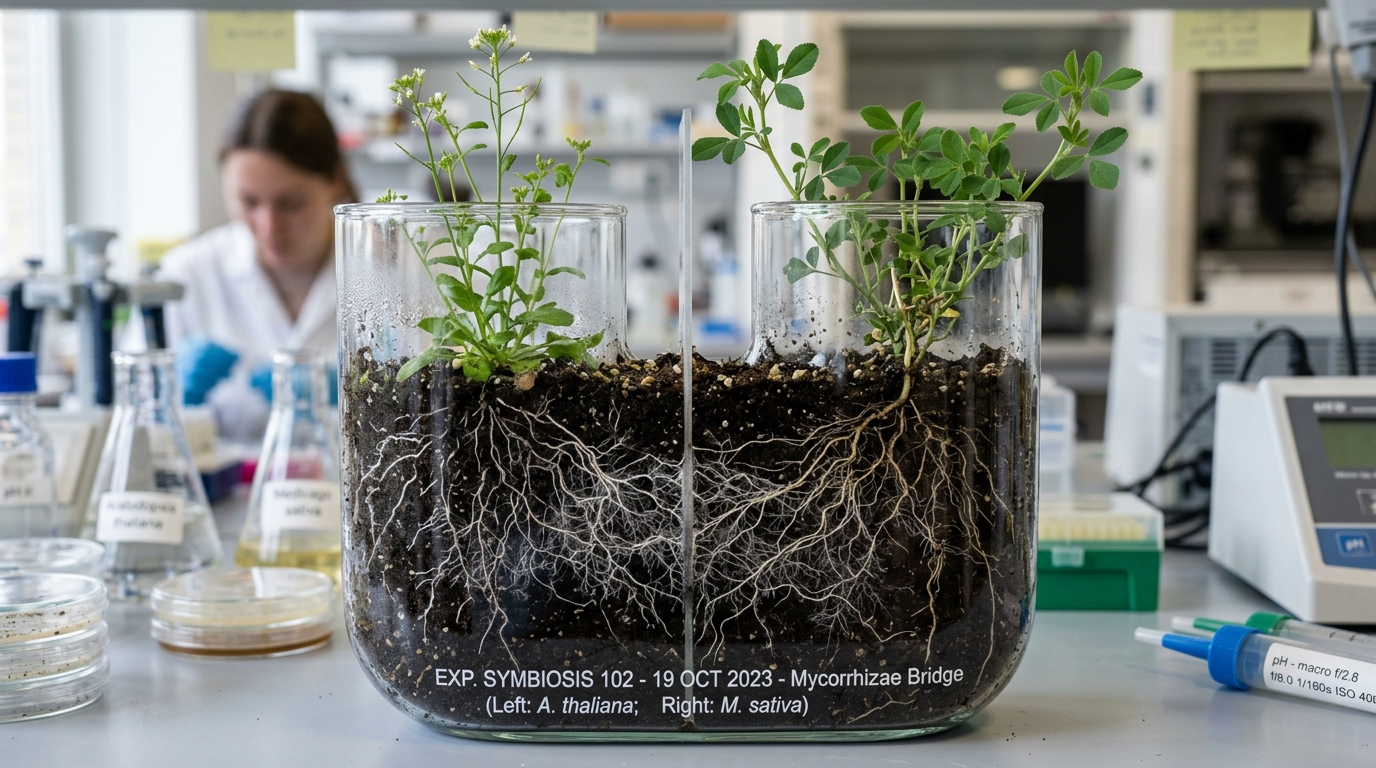
To demonstrate this, the team designed an ingenious U-shaped cultivation system. A fine nylon mesh separated the roots of the two plants to prevent any direct physical contact. However, this mesh allowed the fungus’s microscopic filaments to pass freely, making the fungal network the only possible route for communication and exchange between the two plants.
Results that validate the hypothesis
A New Tool for Plant Ecology
“The U-shaped pot cultivation system developed in this study will allow us to verify the presence or absence of carbon transfer between plants via arbuscular mycorrhizal fungi in various plant species,” explains the researcher. According to him, if this phenomenon is confirmed in other species, the underground network could be considered a true global “energy distribution” system.
Source: earth.com
A plant reveals the secret of underground energy networks shared among plants


