

A Must-Try Summer Treat Under the Experts’ Microscope
Excellent hydration but too rapid absorption
From a purely nutritional standpoint, watermelon has impressive properties. Composed of nearly 95% water, it’s a top choice for maintaining proper hydration during heat waves. It’s also packed with valuable essential nutrients, including vitamins, various minerals, and powerful antioxidants like lycopene, known for its cell-protective properties.
However, this otherwise ideal profile has one major drawback: an almost complete lack of dietary fiber and protein. These two components normally act as moderators during digestion by slowing the stomach’s absorption of nutrients. Without them, the body absorbs the fruit’s natural sugars extremely quickly, causing a sudden spike in blood glucose levels.
The Blood Sugar Trap and the Trick of Chia Seeds
This rapid absorption results in what experts call a glycemic spike. While people in excellent health generally don’t experience any immediate adverse effects, this phenomenon can be problematic for those who actively monitor their blood sugar levels or are trying to regulate their appetite. In fact, a sudden spike in blood sugar is often followed by an equally sharp drop—a mechanism well known to trigger cravings shortly after a meal.
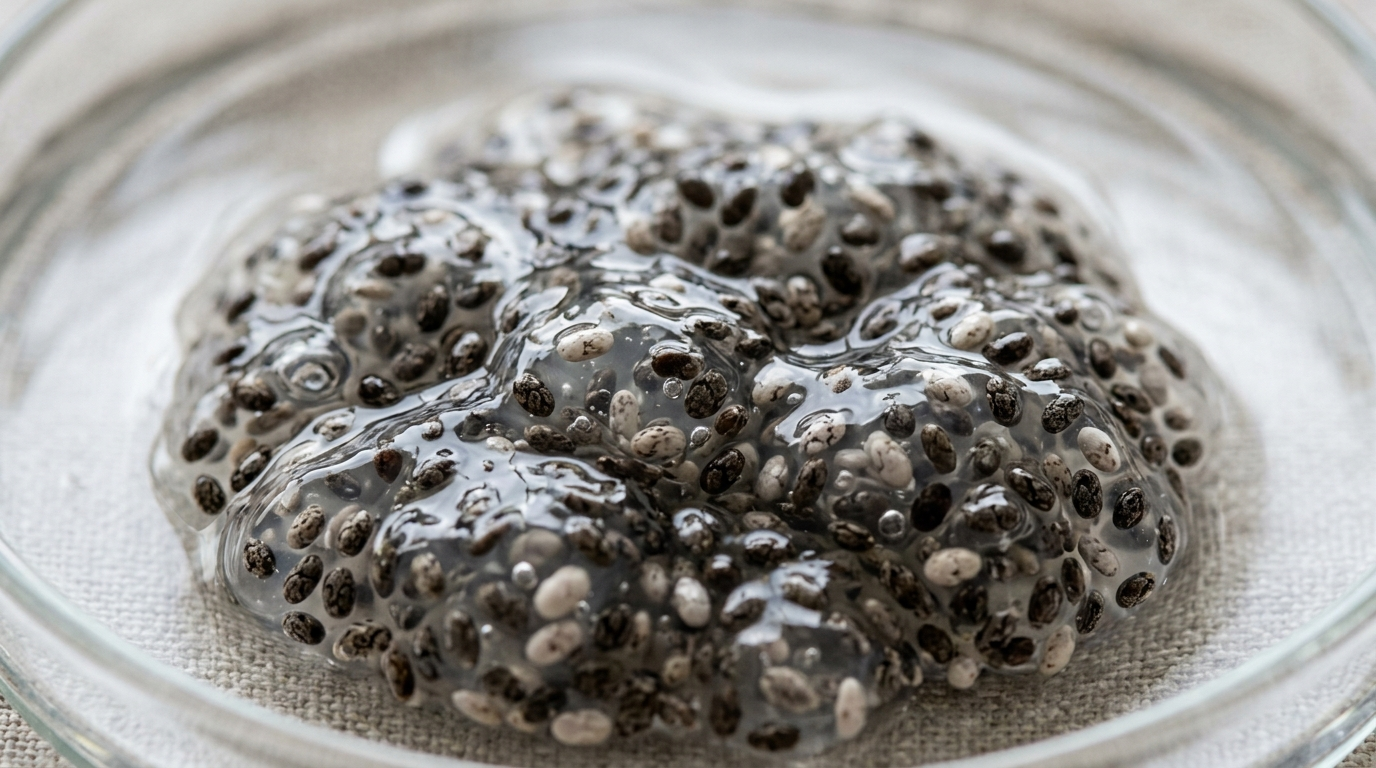
To address this issue, nutrition professionals recommend consistently pairing watermelon with foods that can slow this absorption. Adding chia seeds is a particularly ingenious solution. When exposed to the fruit’s moisture, these tiny seeds form a natural gel that slows digestion, allowing for a slow and steady release of glucose into the bloodstream to prevent blood sugar spikes.
Delicious Combinations for Balanced Snacks
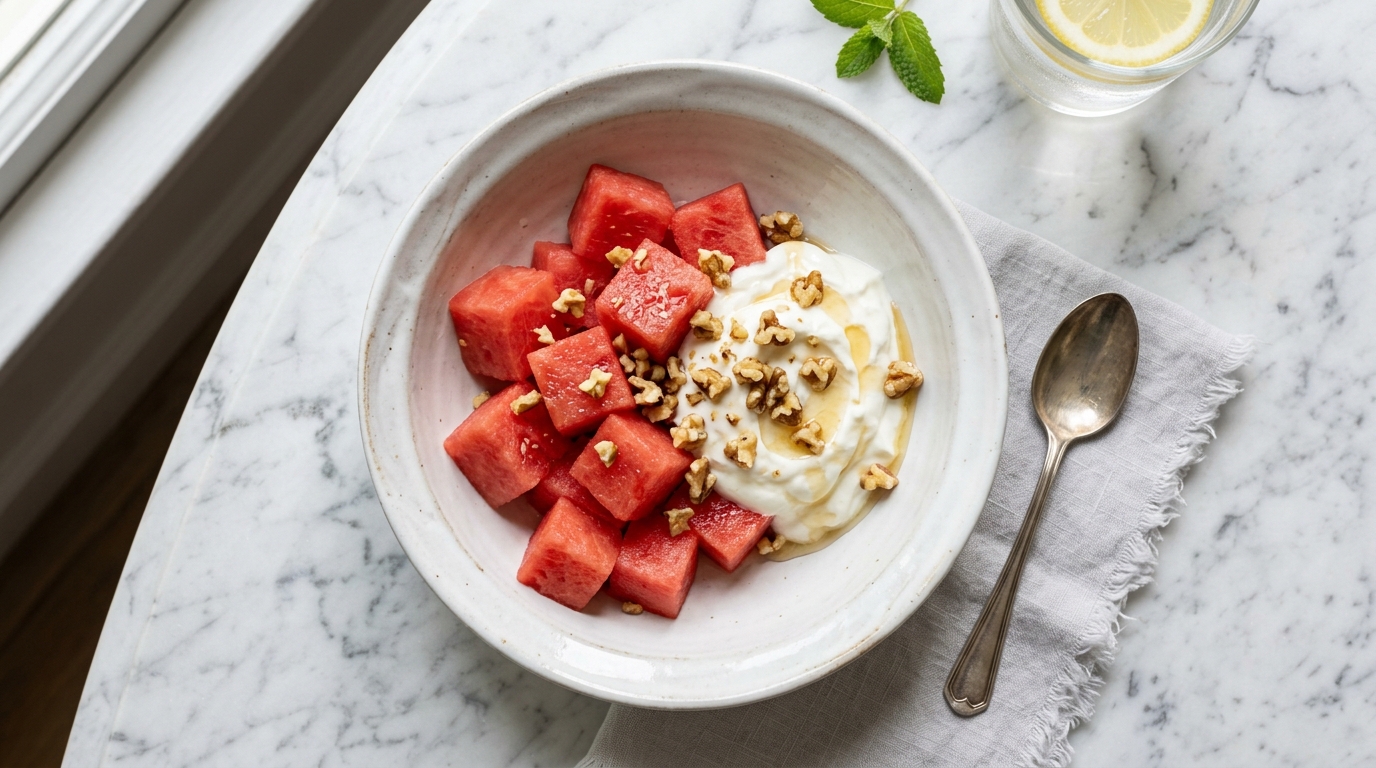
Chia seeds aren’t the only option for making your summer snacks more balanced. Other common foods in our refrigerators can fulfill this protective role brilliantly. This is particularly true of dairy products, such as plain yogurt or cottage cheese, which provide the protein essential for stabilizing the digestion of your fruit-based snack.
The perfect recipe for a cool and peaceful summer
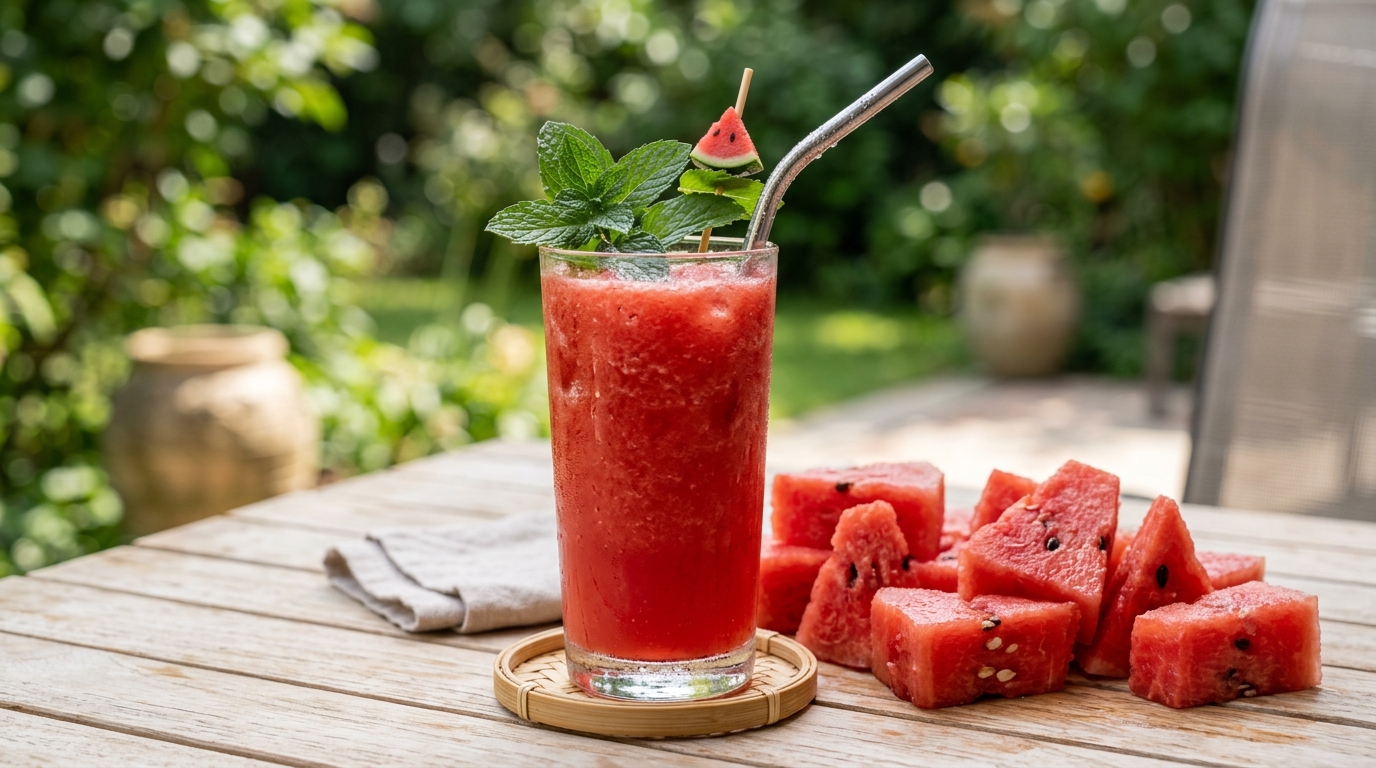
To easily incorporate these principles in a delicious way, a simple recipe involves blending fresh watermelon chunks with pre-soaked chia seeds. Garnished with a few fresh mint leaves to enhance its thirst-quenching qualities, this drink is perfect for hot summer days. Unlike plain fresh-squeezed fruit juice, this blend is more filling and supports your body’s natural balance.
Source: monjardinmamaison.maison-travaux.fr
Watermelon: Why Nutritionists Say It’s a Mistake to Eat It on Its Own


