

The Mystery of Reptilian Longevity in Captivity
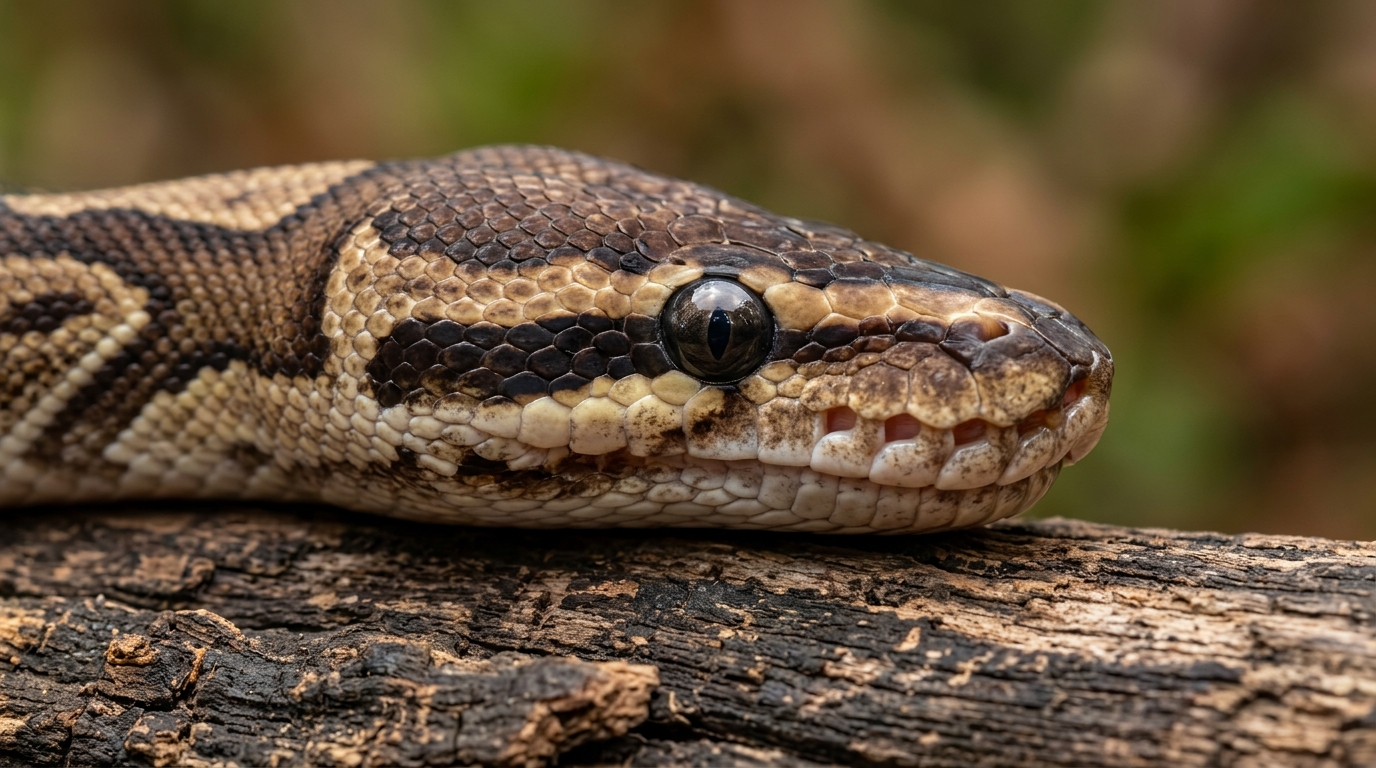
A physical and genetic makeup optimized for longevity
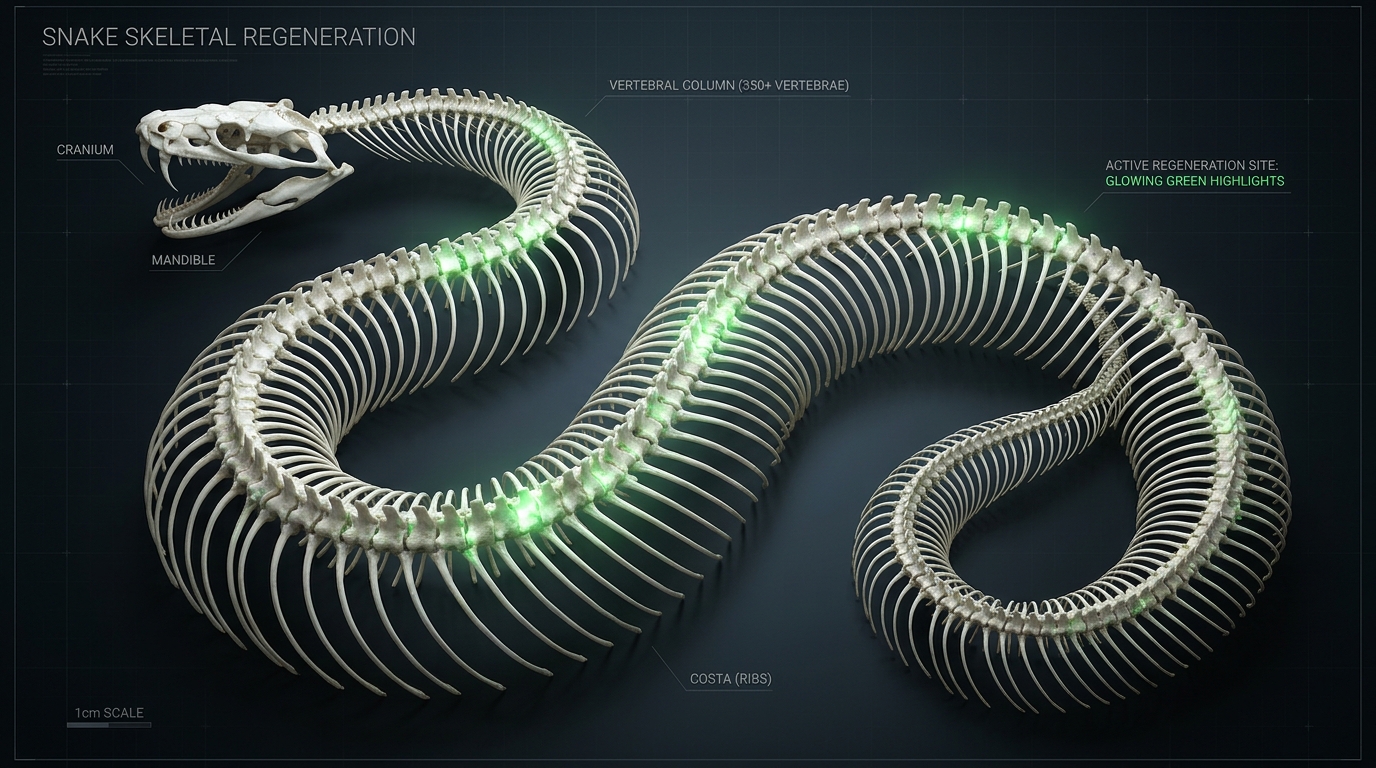
Genetically, snakes possess highly efficient DNA repair mechanisms that preserve the integrity of their genome over decades. A study of their telomeres—the protective caps at the ends of chromosomes that shorten with age in other species—reveals that they remain stable for much longer than those of mammals of comparable size. The hardiest species naturally produce high levels of antioxidant enzymes that neutralize cellular damage.
The secret to a slow metabolism and the absence of stress
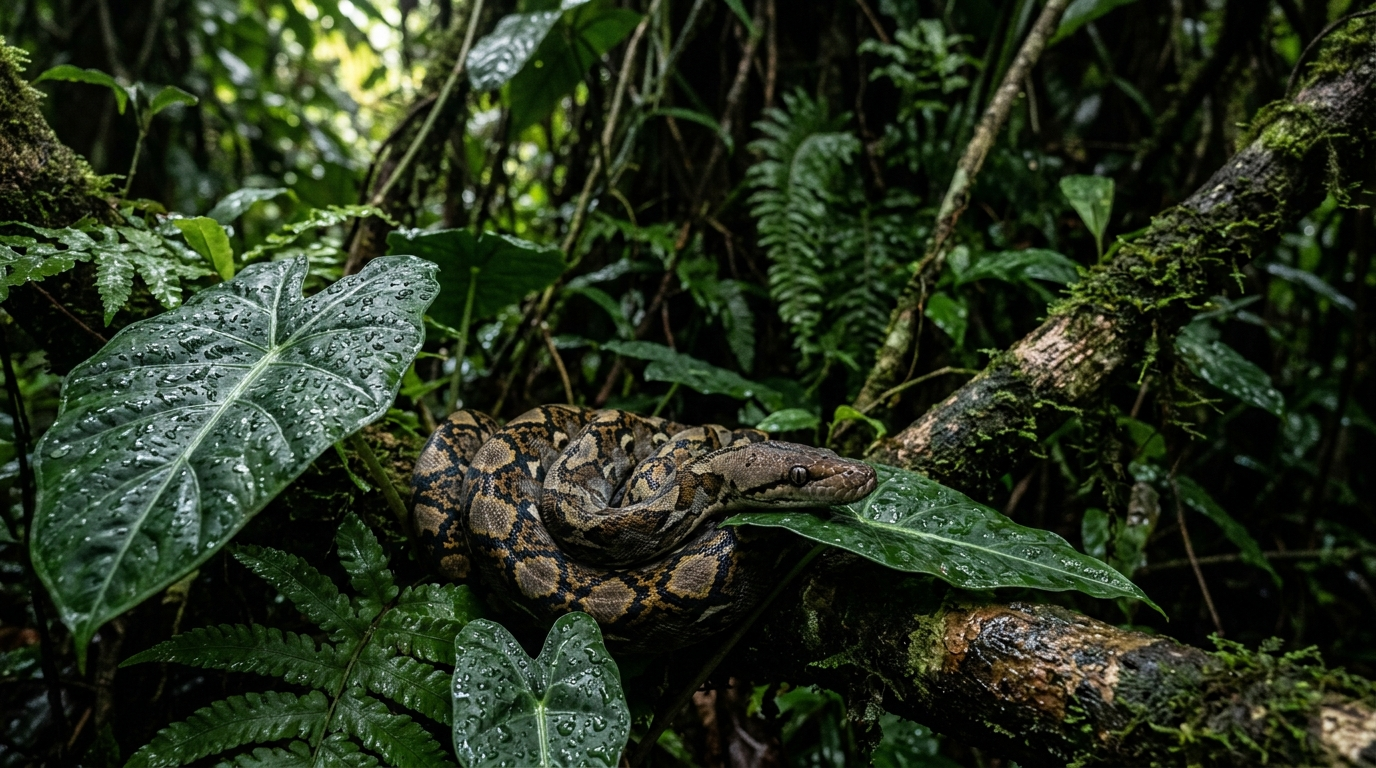
Snakes’ metabolism operates at an extremely slow rate compared to that of mammals of equivalent size, functioning like a slow-burning engine. This energy efficiency limits the production of free radicals—the cellular byproducts responsible for premature aging. During periods of inactivity, some species can lower their metabolic rate by 70%, effectively putting their biological clock on pause.
In the wild, a reptile’s life is marked by constant threats that raise levels of cortisol, the stress hormone, which accelerates cellular senescence. Young reticulated pythons, for example, face intense predation pressure from birds of prey, monitor lizards, and feral cats. Injuries resulting from these failed attacks or fights with venomous species drastically reduce the life expectancy of wild populations.
The Revolution in Care: Nutrition, Climate, and Medicine

Access to a controlled diet is a key factor in the long-term health of reptiles. Unlike their wild counterparts, which are subject to cycles of abundance and extreme famine, captive snakes receive measured meals distributed at regular intervals. The prey provided is healthy and free of parasites or toxins, unlike wild prey, which gradually damages the predators’ internal organs.
Champions of Longevity and the Impact of Reproduction
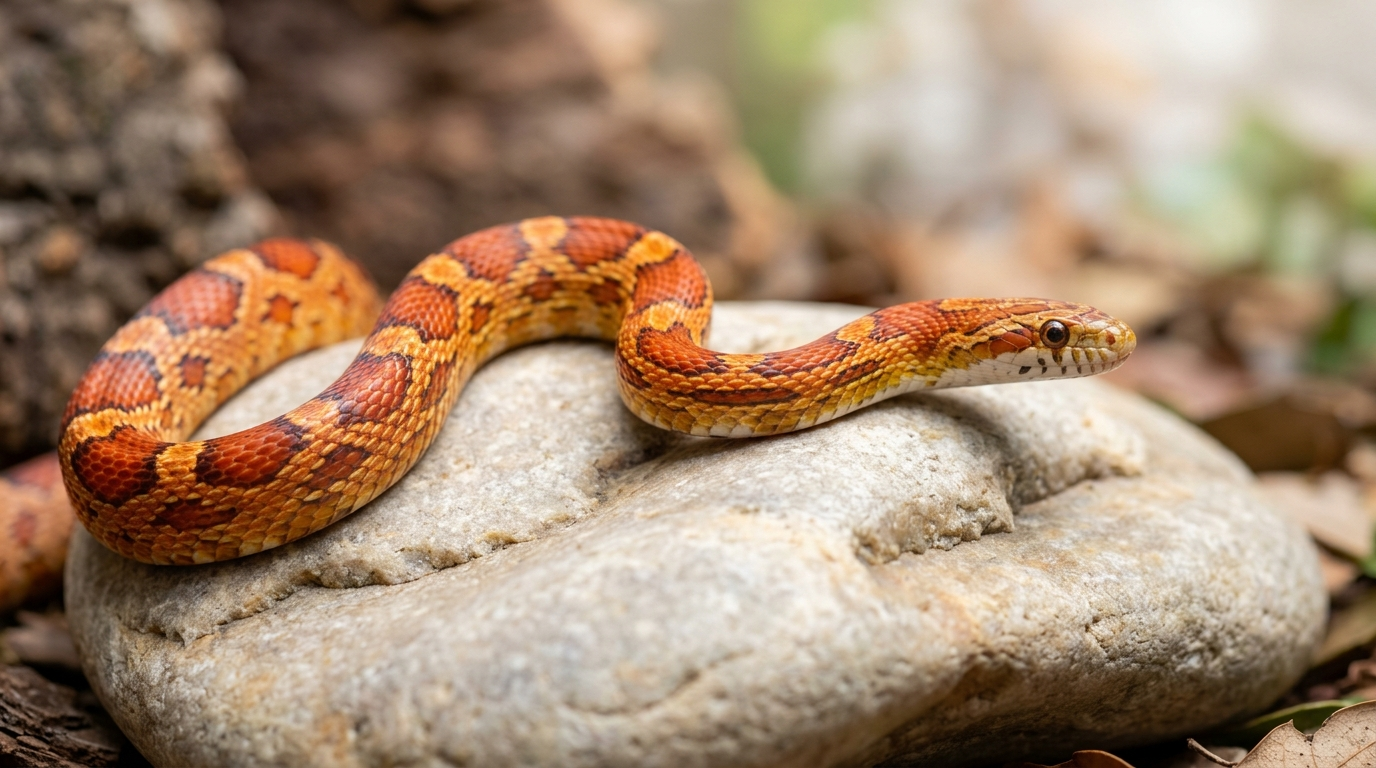
Among colubrids, the corn snake (Pantherophis guttatus) amazes scientists with a lifespan approaching 30 years—a remarkable age for such a small reptile. Even the fearsome king cobra (Ophiophagus hannah), whose care requires highly specialized expertise, has already surpassed the 25-year mark in professional zoological facilities.
From Early Amateur Efforts to the Promises of Science

A Long-Term Ethical Responsibility
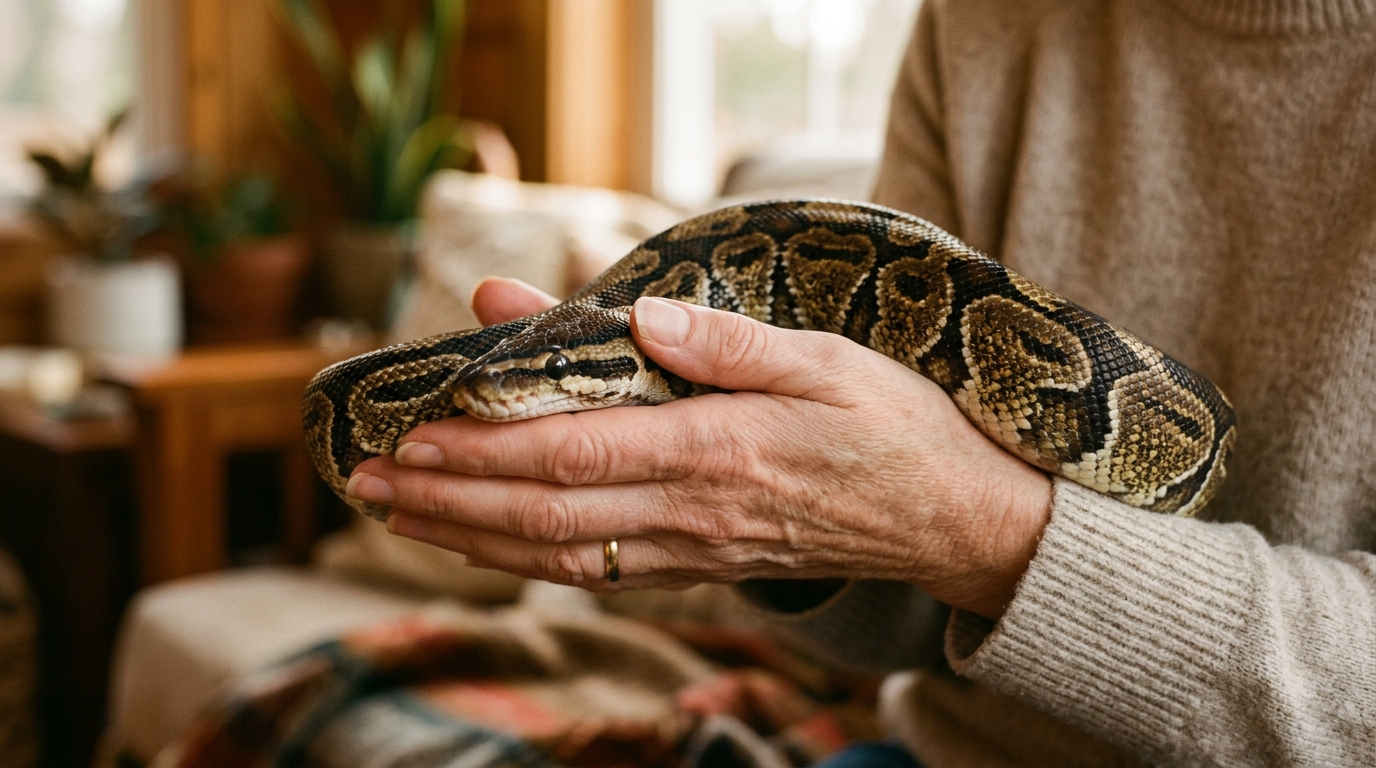
These animals, aged 30, 40, or 50 years, who live alongside their human caretakers, are a testament to the success of modern herpetology. They remind us that respecting a species’ biology, combined with technological and medical advances, can achieve miracles of longevity.
Source: discoverwildscience.com
Why Some Snakes Can Live More Than 30 Years in Captivity


