Skip to content

The Mystery of the Night Light Reexamined
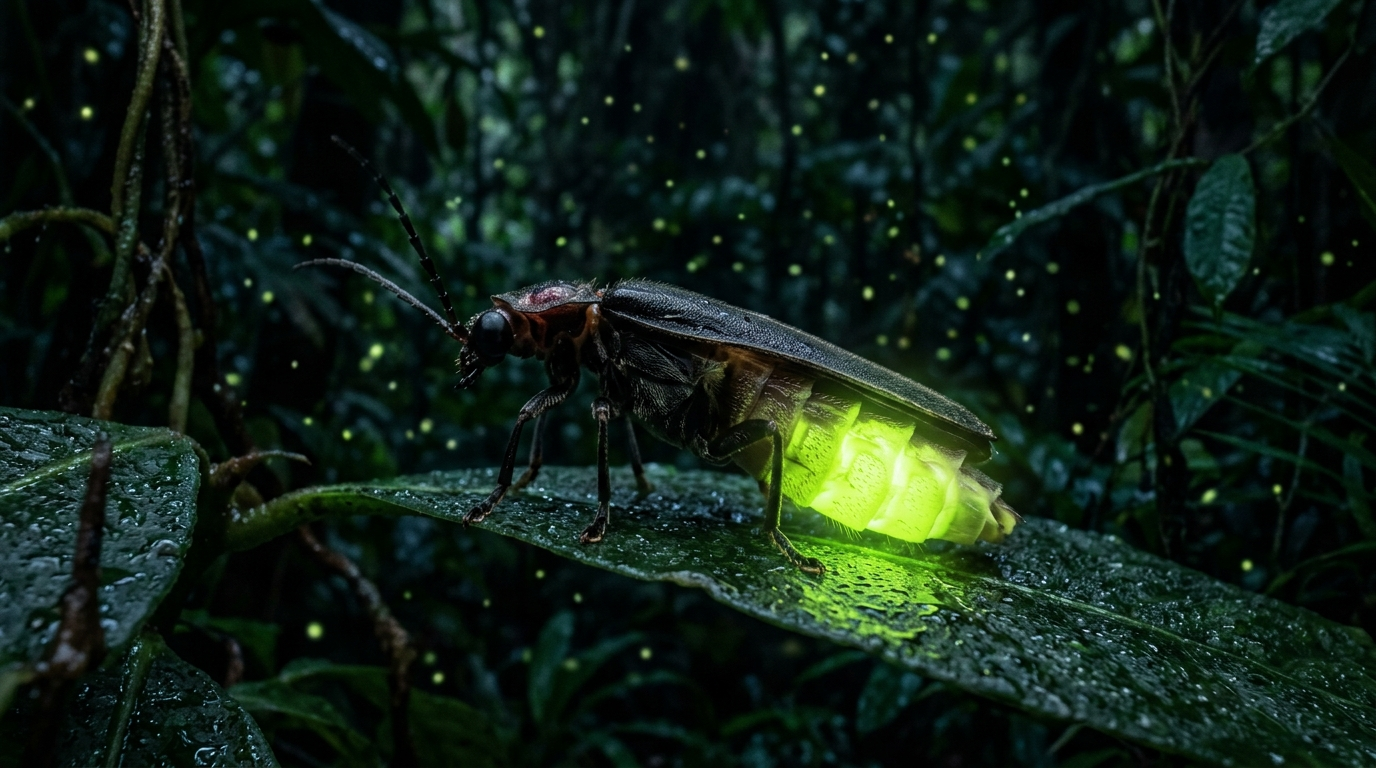
For over a century, the scientific community’s accepted estimate of a firefly’s flash brightness remained unchallenged. However, according to a report published by the specialized website Phys.org, a new analysis is shaking up this long-held certainty. The brightness of these nocturnal insects appears to have been significantly overestimated compared to actual data.

This in-depth study was conducted by David Silver, a researcher at Remiza AI in New York. His findings, published in the scientific journal American Journal of Physics, serve as a striking reminder of the errors that can occur when old physical measurements are converted into modern standardized units without meticulous verification.

The Origin of a Century-Old Measurement

To understand the origin of this anomaly, we must go back to the 1880s, when scientists discovered that the bioluminescence of fireflies resulted from a catalyzed reaction. This chemical process involves an organic compound called luciferin and an enzyme called luciferase. Among the hundreds of animal species, fungi, and bacteria capable of producing their own light, fireflies have historically been the most studied by biologists.

In 1912, William Coblentz, one of the founding fathers of modern radiometry, measured the intensity of these flashes of light for the first time. In his writings, Coblentz noted that the flash of the species Photinus pyralis ranged from 1/50th to 1/400th the power of a candle, with 1/400th being the most common value. Later, in collaboration with Herbert Ives, he conducted absolute photometric measurements that were extremely rigorous for the time, faithfully recording his results.

However, over the decades, advances in physics made it necessary to express this brightness in terms of absolute photon flux rather than candle power. After several successive conversions in textbooks to the new standardized units, the accepted value stabilized at approximately one milliwatt of visible light. This figure corresponded roughly to 1/40th of a candle’s power, thus falling within the highest range of Coblentz’s initial estimates, without ever being called into question.

A Four-Pronged Scientific Methodology
To verify this century-old constant, David Silver developed a rigorous methodology combining theory and field observations. His study, titled “How Bright Is a Firefly? Resolving a Century of Overestimation” and registered under DOI 10.1119/5.0325834, relies on four completely independent approaches to ensure the consistency of its results.

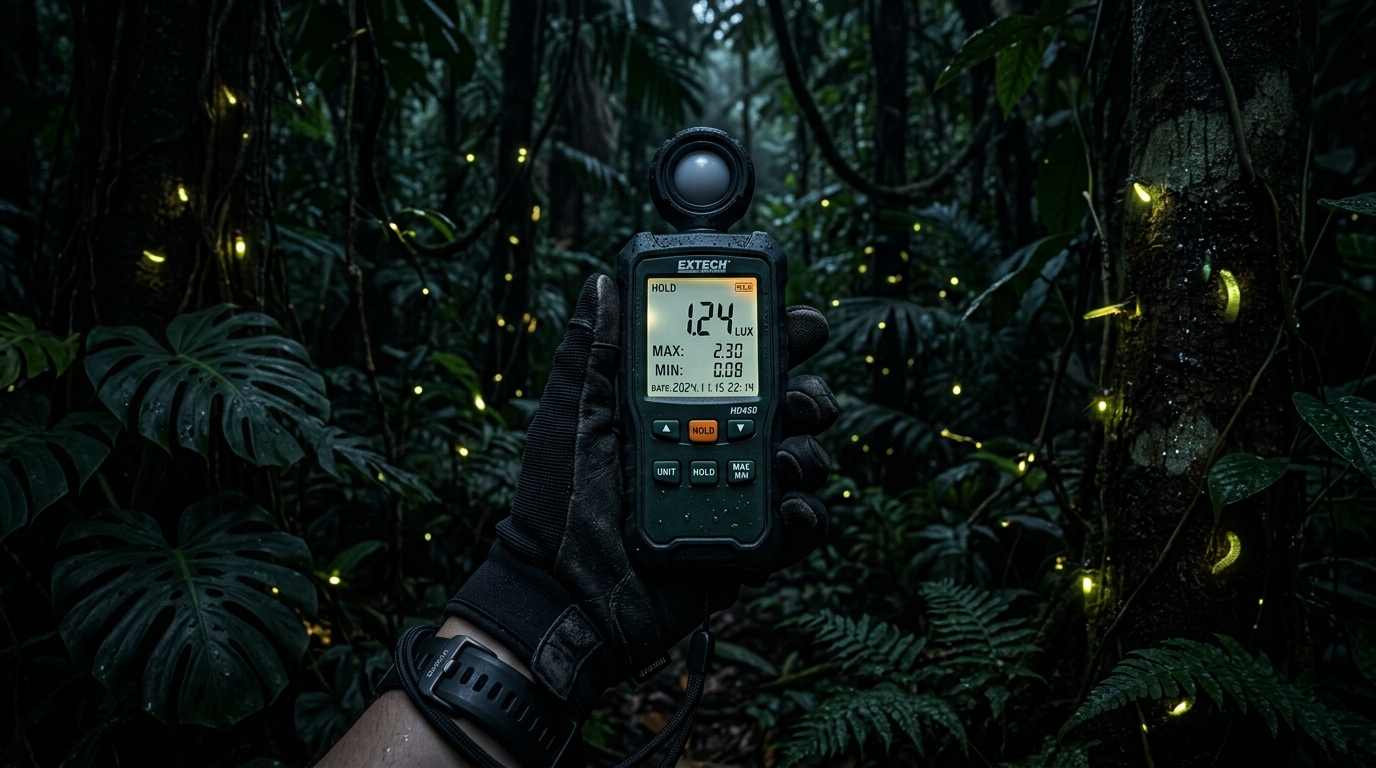
First, the researcher calculated the theoretical number of photons emitted based on the abundance of enzymes and the quantum yield of the reaction between luciferin and luciferase. Second, he traveled to Malaysia to directly measure the brightness of wild fireflies using a calibrated $30 lux meter.

Third, he carefully reviewed the original reports written by William Coblentz in 1912. Finally, he conducted a meticulous reanalysis of all subsequently published brightness measurements. The main objective of this approach was to achieve clear convergence among these different investigative methods.

Conclusions That Redefine the Biology of the Insect
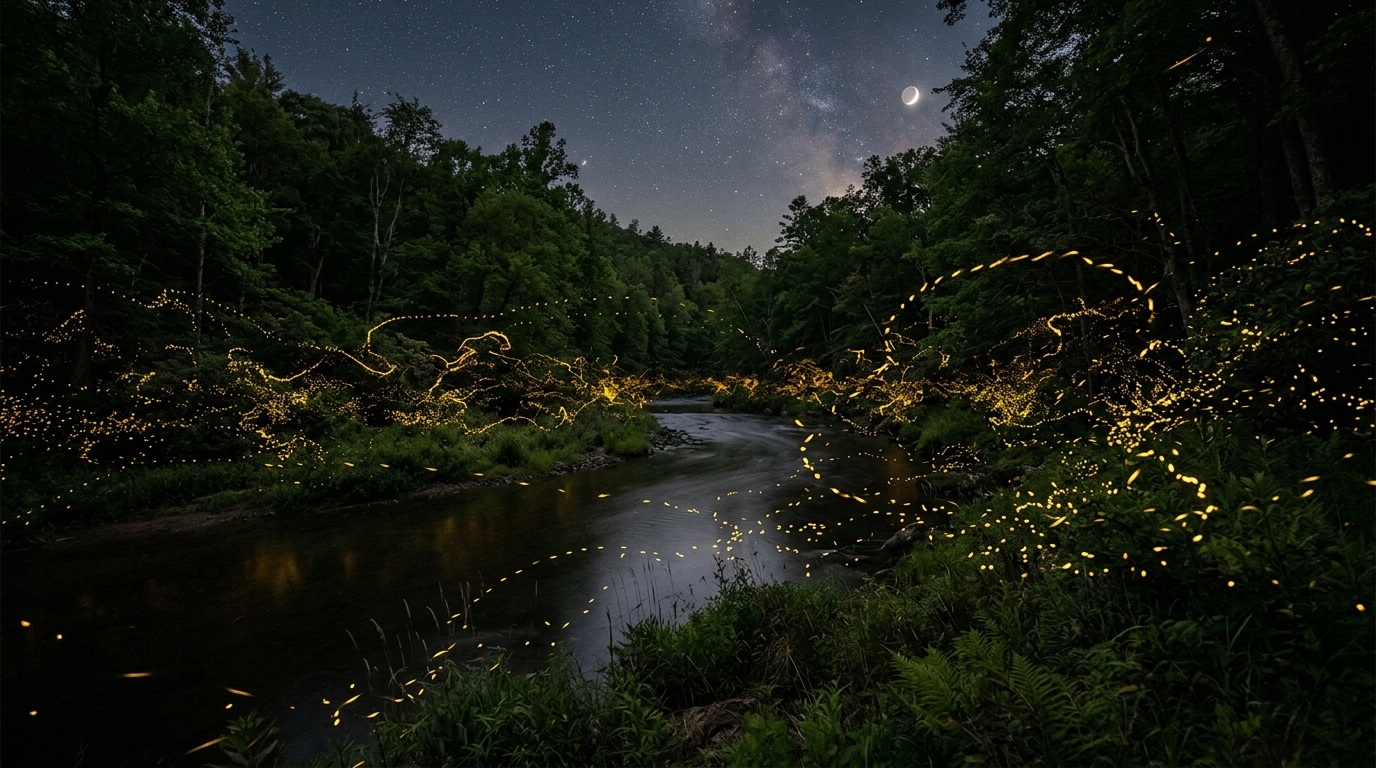
The results of this study reveal a massive discrepancy with established beliefs. The four analytical methods used by David Silver converged on an actual estimate ranging from 10^8 to 10^11 photons per flash. By comparison, the historical value of 1/40th of a candle power—converted according to modern photometric standards—implied an emission of 10^13 to 10^14 photons, a figure that was two to four orders of magnitude too high.

This major overestimation distorted our understanding of these insects’ biology. For biologists, who study actual light intensity rather than relative values, this correction sheds new light on firefly courtship rituals. The light signals exchanged during these courtship displays actually require much less light than previously assumed, demonstrating that these insects’ visual system is extremely sensitive.

A lesson for education and research
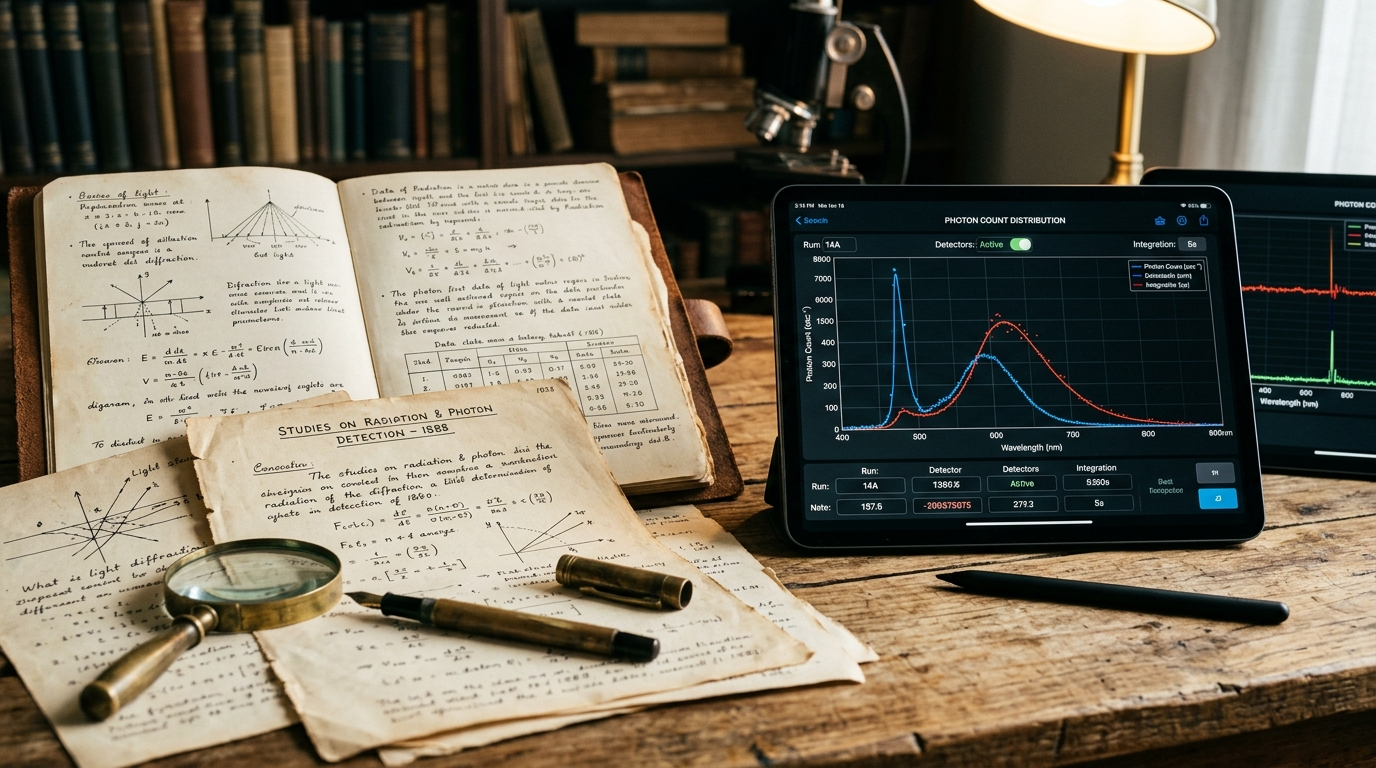
Beyond the specific case of fireflies, this discovery serves as a warning against blindly trusting older scientific data when measurement methods change. When research on bioluminescence shifted from absolute photon measurements to relative units and quantum efficiencies, the century-old value ceased to be closely scrutinized by specialists.

This study also serves as an excellent practical case study for teaching physics. David Silver points out that his entire demonstration can be easily replicated by students using a simple theoretical calculation, an affordable lux meter, and a critical reading of historical documents. In this regard, the archives of the American Journal of Physics provide a valuable documentary resource for exploring the evolution of measuring instruments throughout the ages.

Source: phys.org

The glow of fireflies serves as a reminder to be wary of outdated measures

facebook icon twitter icon linkedin icon
Copied!

Comments

0 0 votes
Article Rating
Subscribe
Notify of
guest
0 Comments
Newest
Oldest Most Voted
More Content