

A New Geological Perspective on Ocean Acidification
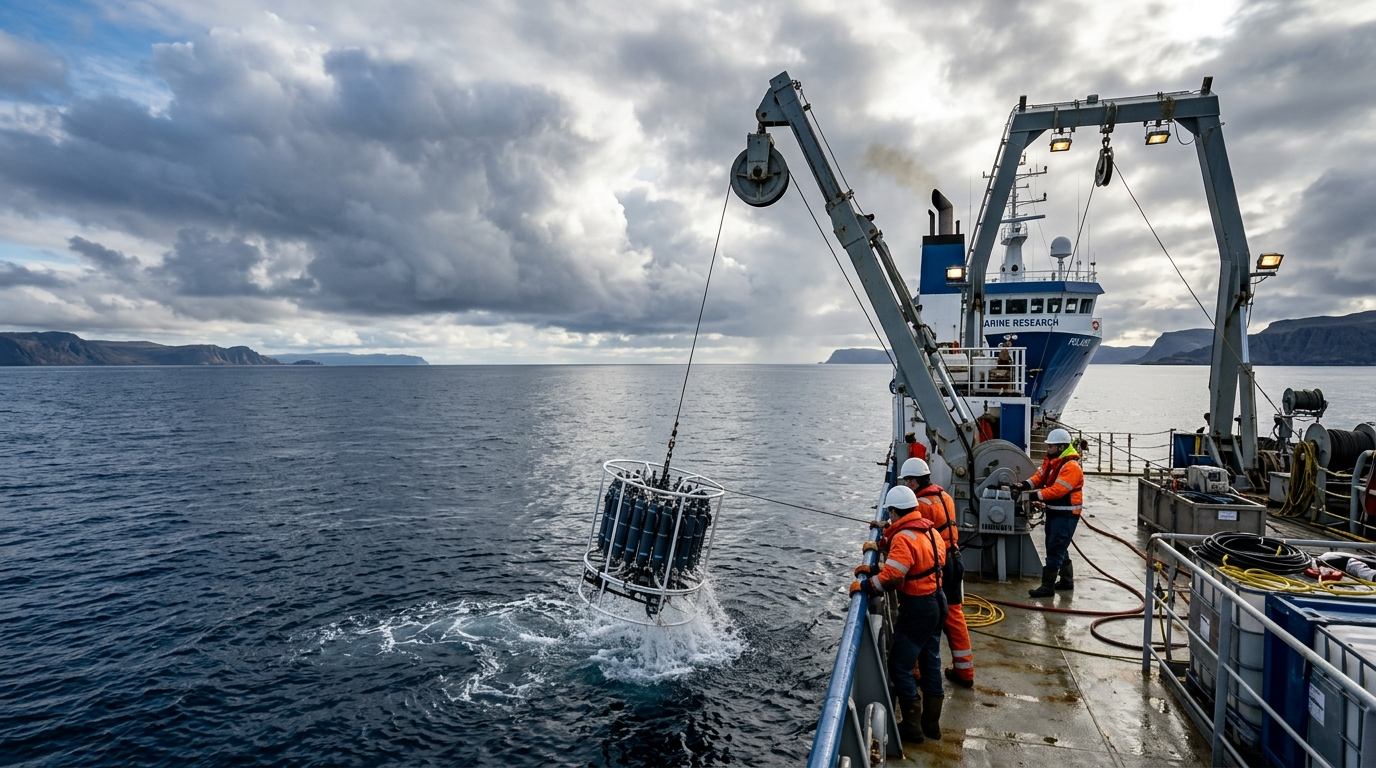
By analyzing geological records, marine chemistry, and the Earth system’s feedback mechanisms, researcher Sumanta Das has drawn a major conclusion. Ocean acidification should no longer be viewed solely as a contemporary environmental crisis. It now stands as a global-scale signal, recording how human activities are permanently altering the long-term carbon cycle.
This innovative approach redefines the role of the ocean, which is no longer seen as a passive victim of climate change but rather as an active archivist of our civilization. According to the findings of this study published in the journal Earth-Science Reviews, this chemical memory will persist for tens, even hundreds of thousands of years, profoundly altering our understanding of the Earth’s future.
The chemical mechanisms at work from the surface to the abyss
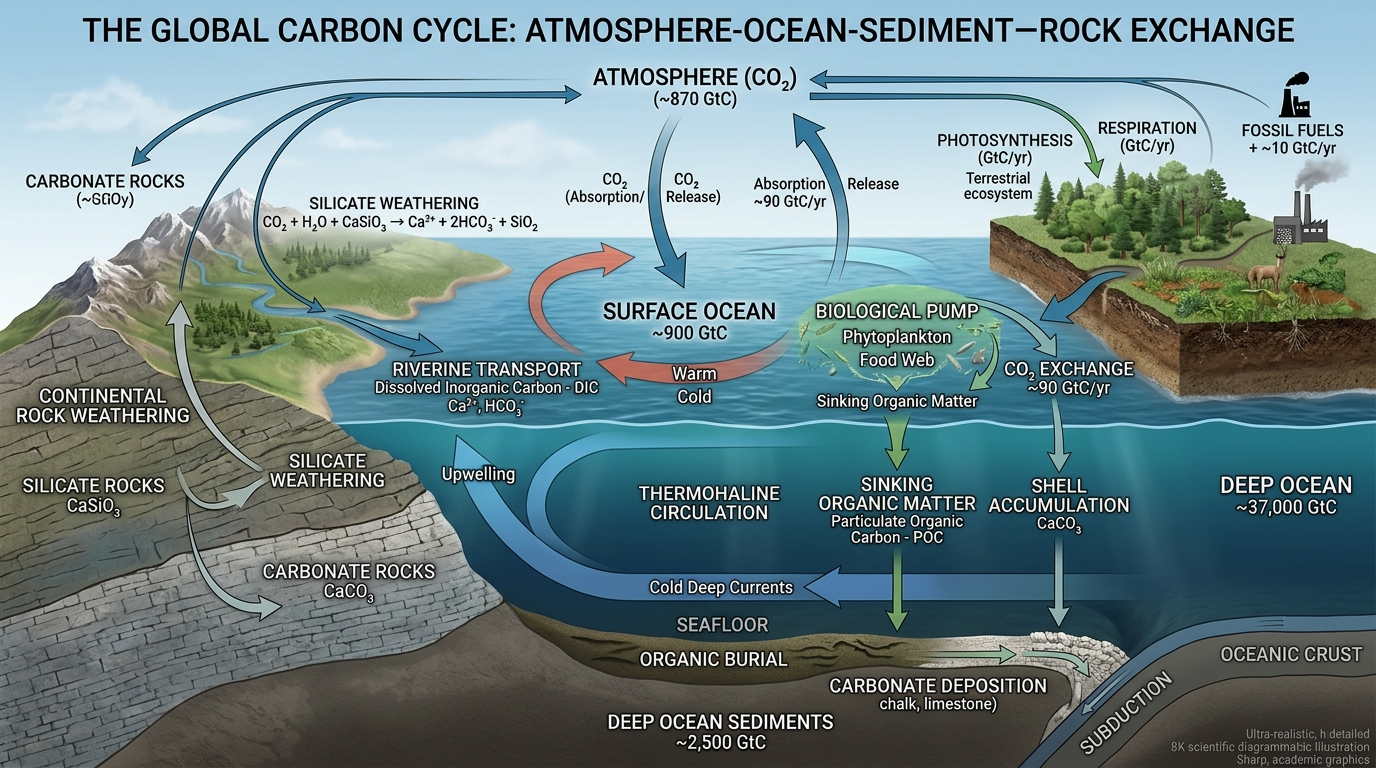
Most current debates focus on the dynamics of surface waters. Carbon dioxide from the combustion of fossil fuels dissolves in seawater to form carbonic acid. Since the Industrial Revolution, the average pH at the ocean’s surface has decreased by about 0.1 units, which corresponds to an increase of nearly 30% in the concentration of hydrogen ions. Although this numerical change may seem minimal, it fundamentally disrupts the carbonate equilibrium and reduces the availability of carbonate ions, which are essential for marine organisms to build their shells and skeletons.
However, as researcher Sumanta Das points out, these biological impacts represent only the tip of the iceberg in a much broader dynamic. The ocean is not an isolated entity, but a system interconnected with the atmosphere, deep-sea sediments, and the Earth’s crust through a complex network of chemical exchanges operating on very different time scales.
Surface waters interact with the deep ocean through global ocean circulation, while sediments continuously exchange minerals with seawater. At the same time, the slow weathering of continental rocks eventually replenishes the ocean’s alkalinity. It is these combined processes that regulate the global carbon cycle over millions of years, justifying the analysis of ocean acidification at the scale of the global Earth system rather than as a mere biological stressor.
Marine sediments as an archive of Earth’s history
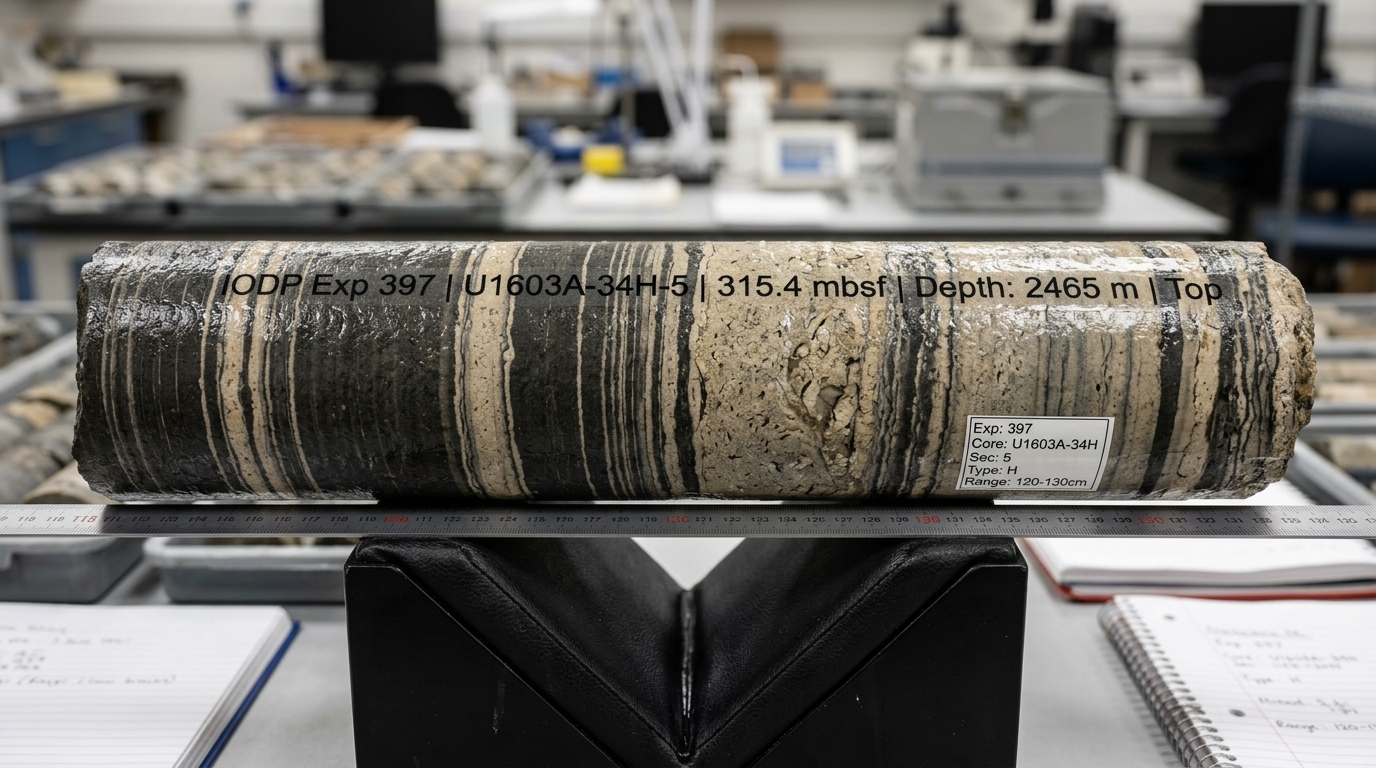
A key concept emerges from this research: the Earth system’s memory. Unlike human memory, which is stored in the brain, our planet preserves its own archives within rocks, sediments, ice, and chemical signatures. Every major disruption to the carbon cycle leaves indelible imprints that future geologists will be able to detect long after the initial sources of pollution have disappeared.
Marine sediments constitute one of the most remarkable records of this planetary memory. When acidified waters sink into the depths of the ocean, the calcium carbonate in the sediments begins to dissolve. The boundary separating carbonate preservation from dissolution—known as the carbonate equilibrium depth—then shifts upward, leaving distinctive geological strata that permanently record fluctuations in ocean chemistry.
An analogy from the past in light of the unprecedented rate of emissions

To better understand the current situation, the research team examined Earth’s geological history, focusing in particular on the Paleocene–Eocene Thermal Maximum that occurred approximately 56 million years ago. During this event—considered one of the closest natural analogs to the current crisis—thousands of petagrams of carbon were released into the atmosphere and oceans, causing massive global warming and widespread dissolution of deep-sea carbonates.
This comparison highlights the study’s most crucial finding: what makes the modern world unique is not so much the total amount of carbon released as the dizzying speed at which it is being released. Current emissions are occurring at a rate at least one order of magnitude higher than estimates for the Paleocene-Eocene Thermal Maximum, creating a critical time lag during which the Earth’s natural buffering mechanisms are unable to respond in time. It is the equivalent of trying to fill a bathtub with a straw while a fire hose empties it at full flow.
Toward New Scientific Models for the Planet’s Future

This time lag means that even if global emissions were to decrease significantly over the course of this century, the deep oceans and marine sediments would continue to adjust for millennia. The chemical impacts of our CO2 emissions will not simply disappear once atmospheric carbon levels stabilize, but will become an integral part of the planet’s geological history. The study by Sumanta Das and his colleagues, available via DOI: 10.1016/j.earscirev.2026.105623, raises several major unresolved scientific questions.
Source: phys.org
Ocean acidification is becoming a global indicator linking current carbon emissions to the Earth’s deep memory


