

Physiological Vulnerabilities to Rising Temperatures
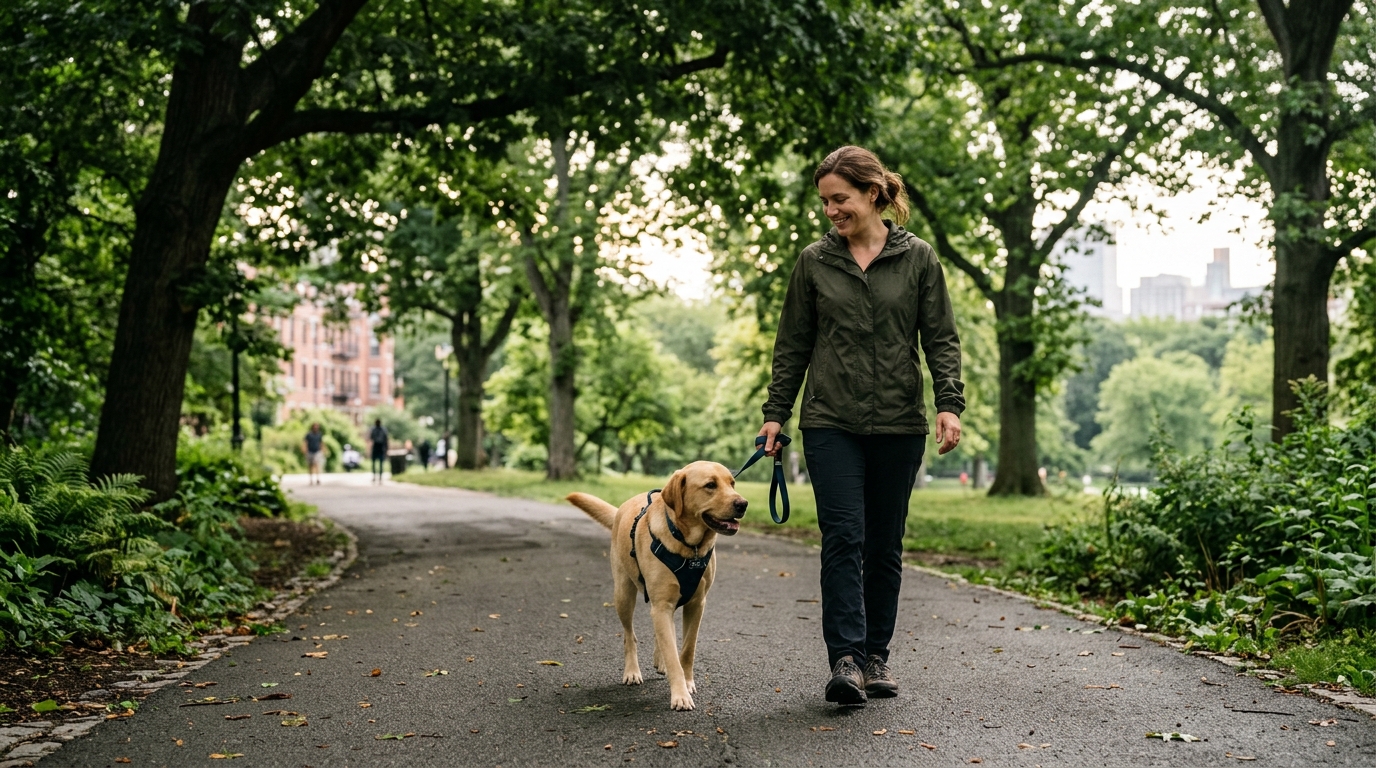
Dogs and cats are particularly vulnerable during heat waves. When outdoor temperatures rise rapidly, they can easily exceed these animals’ natural ability to regulate their own body heat. This thermal imbalance requires increased monitoring by owners during the summer months.
Veterinary Observations and “Splooting” Behavior
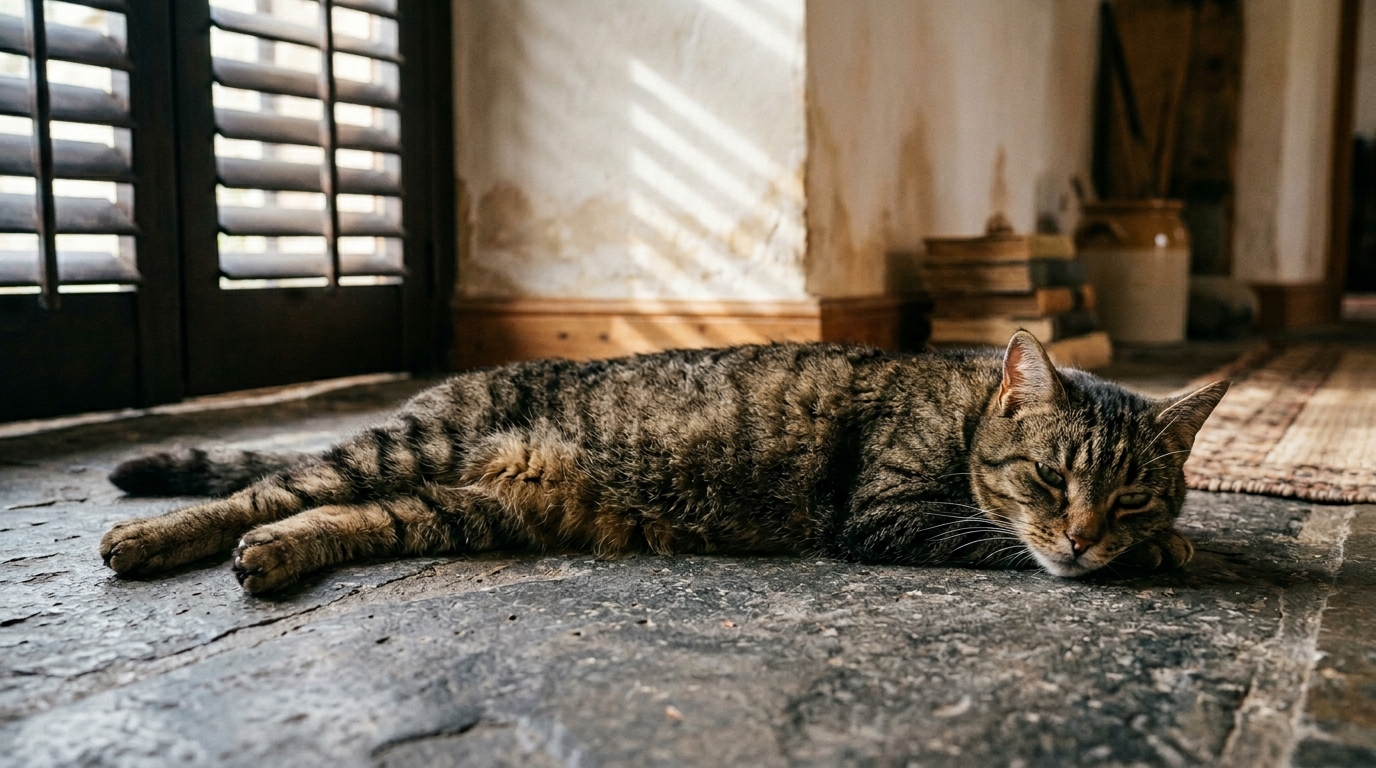
A specific postural indicator, known as “splooting,” serves as a major warning sign. This unusual behavior is characterized by an animal lying flat with its belly pressed against the ground and its hind legs stretched out, often on a cool surface such as a tiled floor. Although this behavior may seem harmless in an otherwise active dog, it actually reflects a profound sense of discomfort caused by excessive heat.
Gilles Vanden Bulcke, a veterinarian practicing in Chaource, emphasizes the importance of this clinical observation. Regarding this specific posture of stretching out on the ground, the veterinarian explains: “This is the first sign that should alert you.” Early recognition is crucial for preventing serious heat-related incidents.
The progression of symptoms and signs of worsening
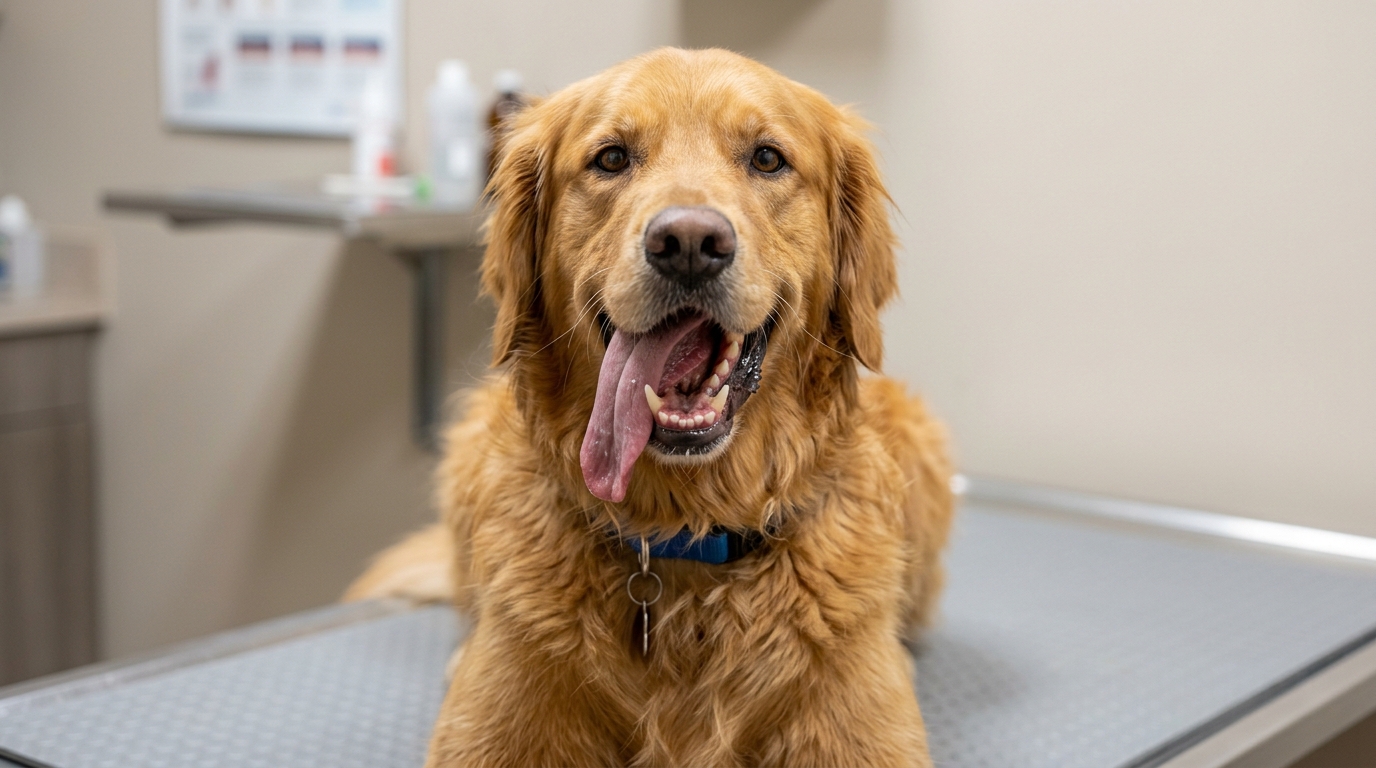
Heatstroke is formally diagnosed when the animal’s body temperature exceeds its physiological ability to cool itself. If the initial behavioral signs are ignored, the clinical picture can deteriorate rapidly. In dogs, this deterioration manifests as tremors, a noticeable loss of balance, and the onset of seizures.
Cats express heat distress through slightly different symptoms. A cat suffering from heatstroke may become lethargic, start drooling excessively, or breathe abnormally with its mouth open. These signs indicate that the body’s regulatory mechanisms have been overwhelmed.
In general, several common signs should be monitored in both species. Continuous panting, profuse salivation, generalized weakness, and episodes of vomiting confirm the severity of the animal’s condition and the need for immediate treatment.
Emergency measures in cases of suspected heatstroke
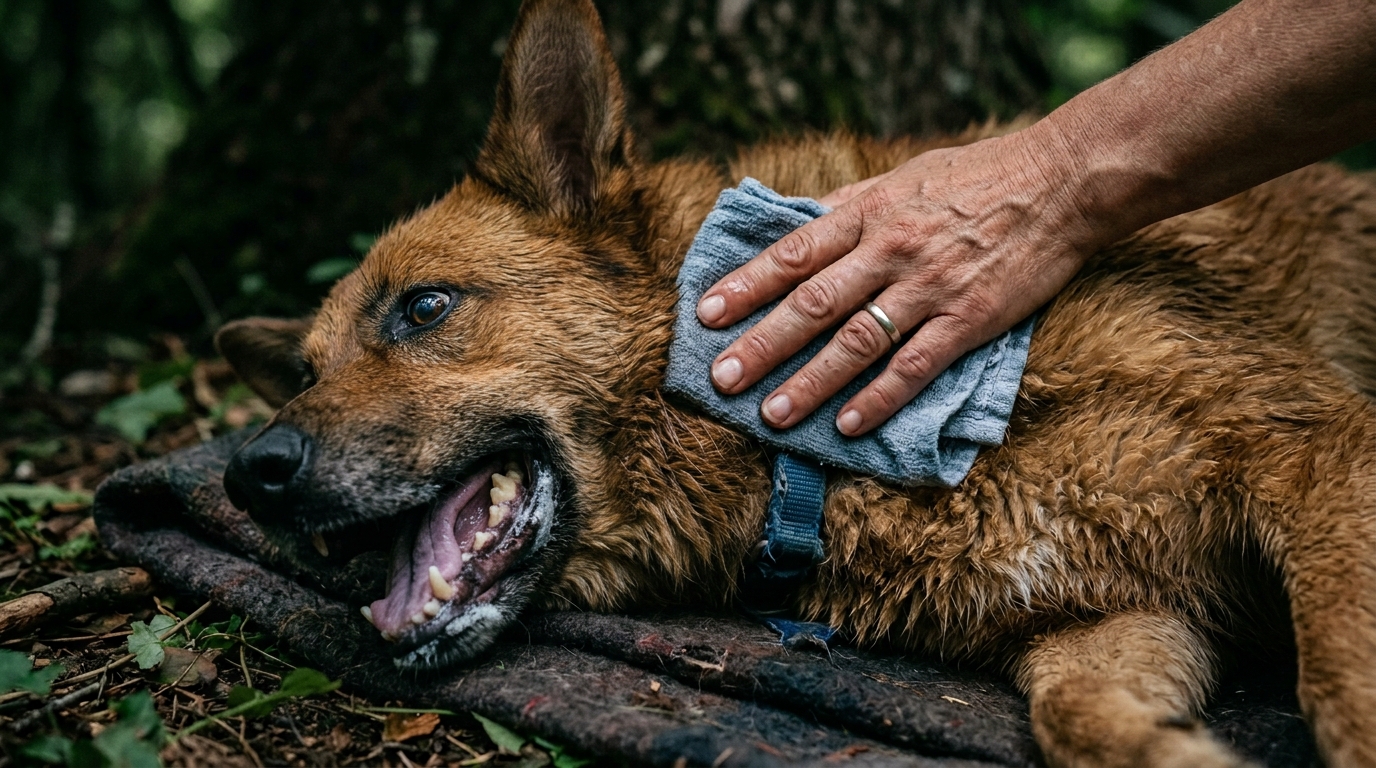
The cooling process must be carried out carefully to avoid causing thermal shock. It is recommended to gently moisten the animal’s belly, neck, and inner thighs using room-temperature water. At the same time, offer the animal cool water, while taking care never to force it to drink if it lacks the strength to do so.
Prevention and Adjusting Habits Based on the Animal’s Profile
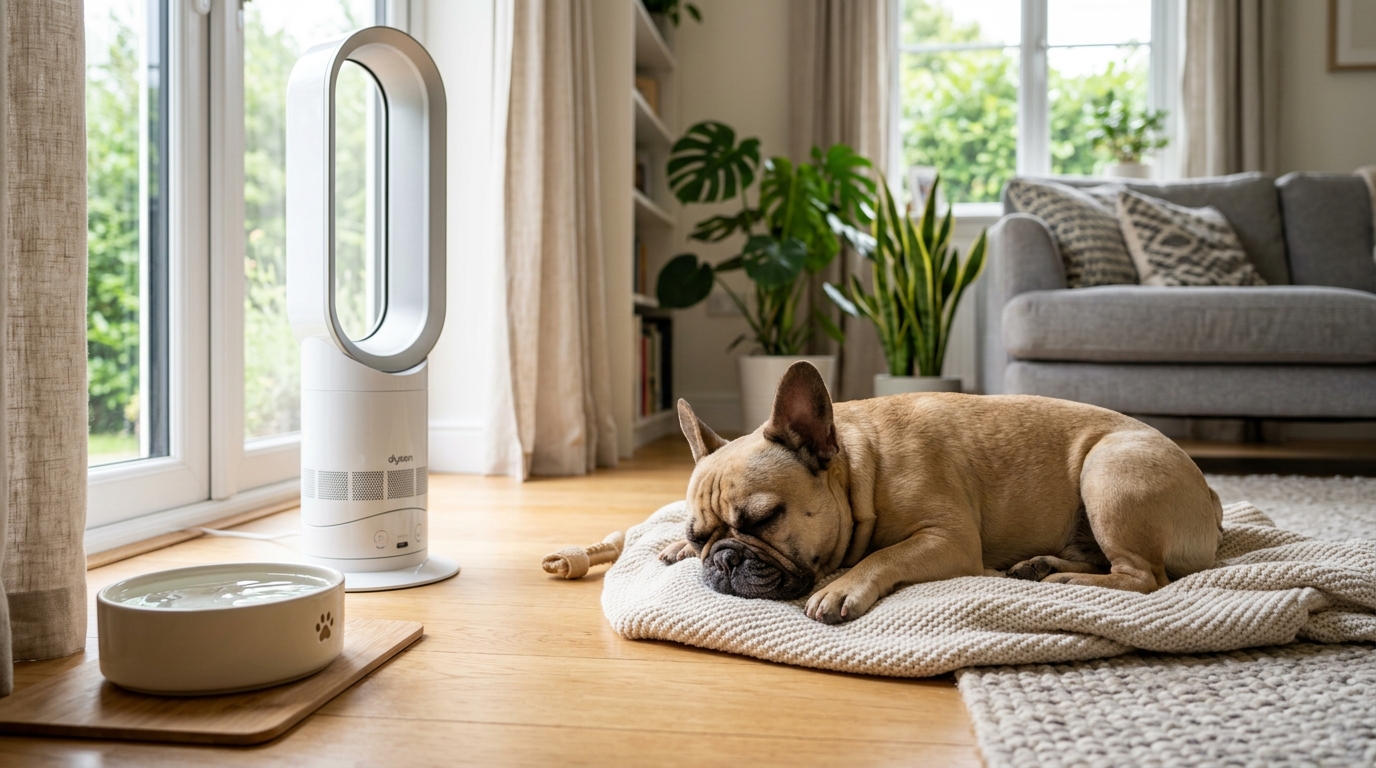
Appropriate vigilance must be exercised based on each animal’s specific characteristics. Owners must be particularly attentive if their pet is elderly, has pre-existing health conditions, or belongs to a brachycephalic breed, as these animals naturally have more difficulty breathing and regulating their body temperature.
Ultimately, the safety of dogs and cats during heat waves depends on continuously monitoring changes in their posture and physical signs. Taking action before the situation worsens—by moving them into the shade, gently cooling them down, and consulting a veterinarian—remains the most effective way to ensure their protection.
Source: passeportsante.net
Heat Wave: Recognizing and Preventing Signs of Heat Stroke in Dogs and Cats


