

Exceptional Biodiversity Hidden in Plain Sight
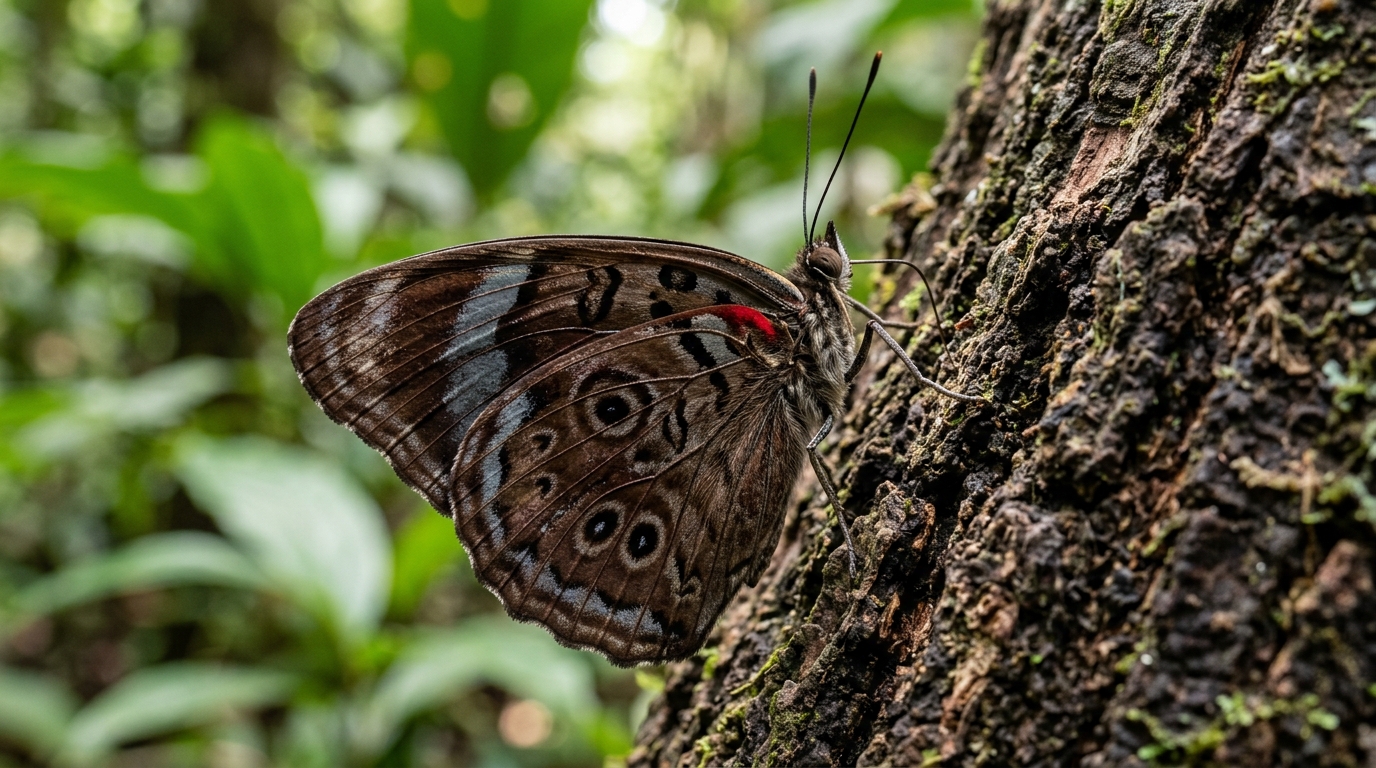
The tropical forests of Central and South America teem with butterflies, showcasing life on a breathtaking scale. Costa Rica alone is home to about half a million species—five times more than all of Canada—even though its land area is about 200 times smaller. According to a report by journalist Rodielon Putol, these regions are among the most biodiverse places on Earth, still offering immense surprises to scientists after centuries of relentless research.
Some of the region’s most familiar plants and animals are an integral part of the landscape. The Colobura butterfly is one such species and is an extremely common sight throughout much of the tropical Americas. For more than 200 years, after Carl Linnaeus first described Colobura dirce in 1758, the scientific community believed that this genus comprised only a single, widespread species.
This assumption seemed reasonable since adult butterflies are nearly identical, even when they inhabit the same forests at the same time. However, researchers discovered that the reality was quite different. A study led by Anisha Sapkota, a doctoral student at the Florida Museum of Natural History, identified a third species. “If you go to the Neotropical regions, Colobura is one of the first butterflies you see,” she said.
The Story of a Century-Old Taxonomic Mystery
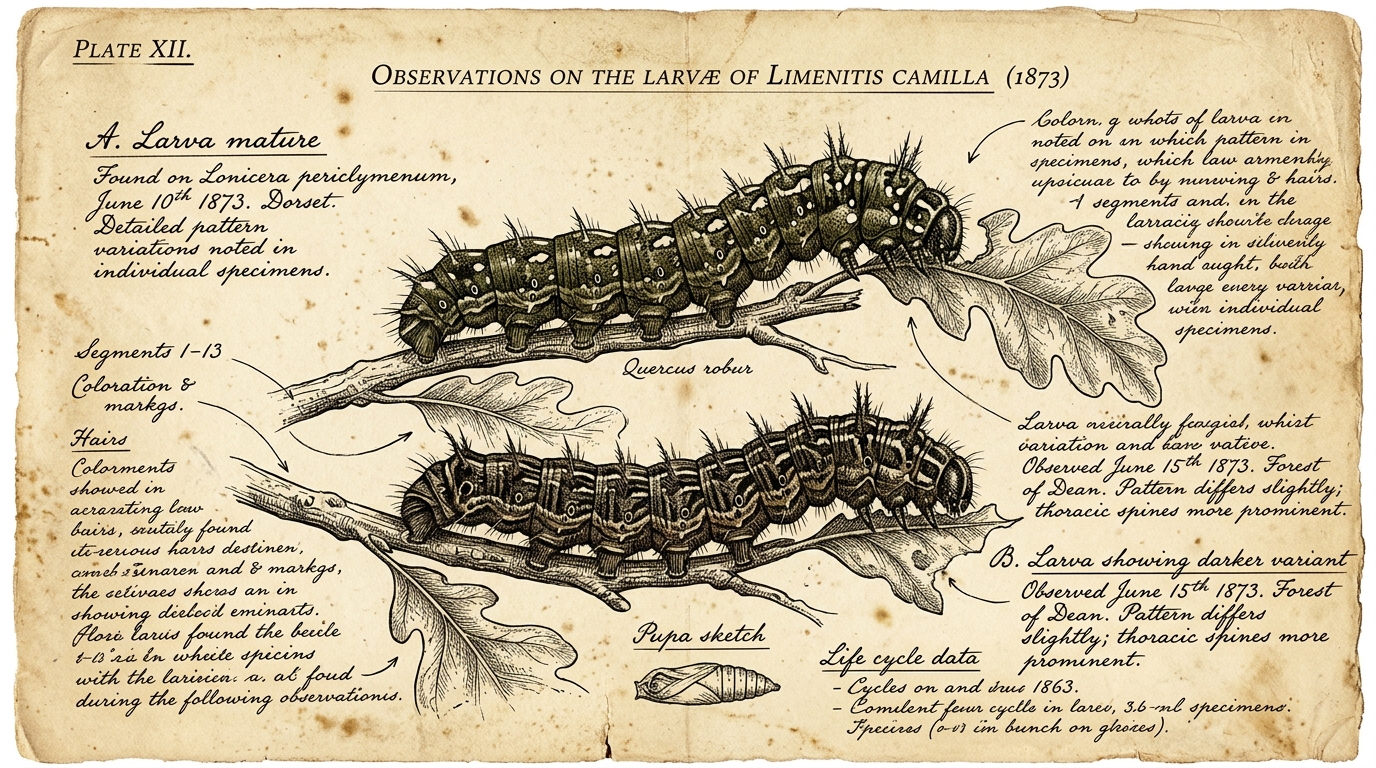
This mystery dates back to 1852. At that time, Dutch entomologist Jan Sepp had suggested that the differences observed in the caterpillars’ markings pointed to the existence of two distinct species. Other scientists rejected this idea for about 150 years, believing that these markings simply reflected normal variation or differences between males and females of the same species.
The situation changed in 2001 when Keith Willmott, now a curator at the McGuire Center for Lepidoptera and Biodiversity at the Florida Museum, officially described the species Colobura annulata with his colleagues. After the recognition of this second species, researchers eventually realized that the story was still not complete. “We assumed the issue was resolved,” said Keith Willmott.
However, the expert couldn’t quite shake the feeling that another species might exist. “I had some indications that there was a third species, but I thought it was too far-fetched,” he explained. He then added an important detail about the insects’ appearance: “It’s a very distinctive butterfly. It’s hard to imagine that there could be two species in the same region that look alike because they’re so different from everything else.”
The Decisive Clue from the Caterpillars and DNA Analysis
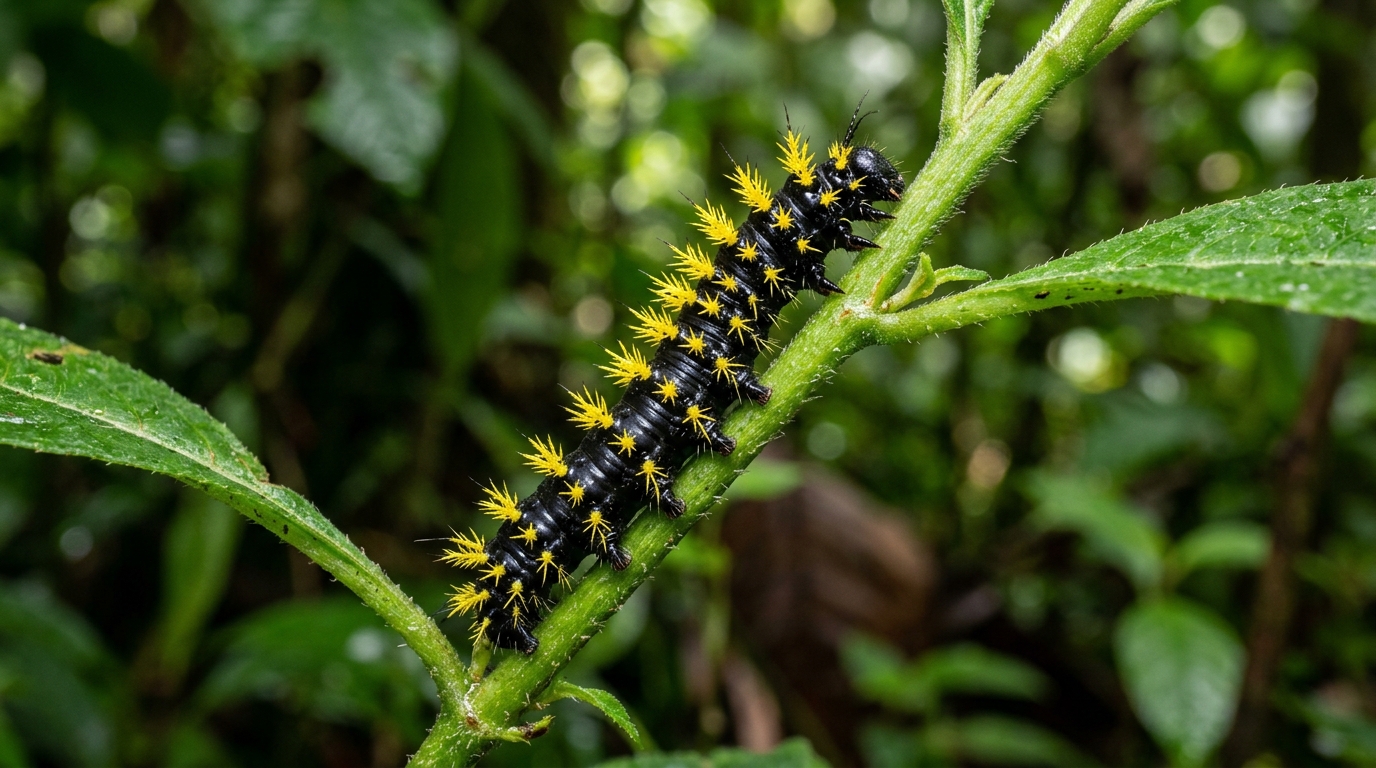
Years later, Andrés Orellana discovered caterpillars feeding on a young Cecropia sapling in Venezuela. Unlike other known specimens, these caterpillars had no cream-colored markings. Photographs of this discovery served as a catalyst that convinced researchers to conduct new, in-depth investigations.
To confirm these physical observations, Anisha Sapkota combined DNA barcoding with whole-genome sequencing of the mitochondrial and nuclear genomes of museum specimens collected throughout the tropical Americas. The genetic evidence clearly revealed three distinct evolutionary lineages that corresponded to the subtle physical differences. "These butterflies look almost exactly alike and are found in exactly the same place at the same time," said Anisha Sapkota.
Subtle ultraviolet details in adults
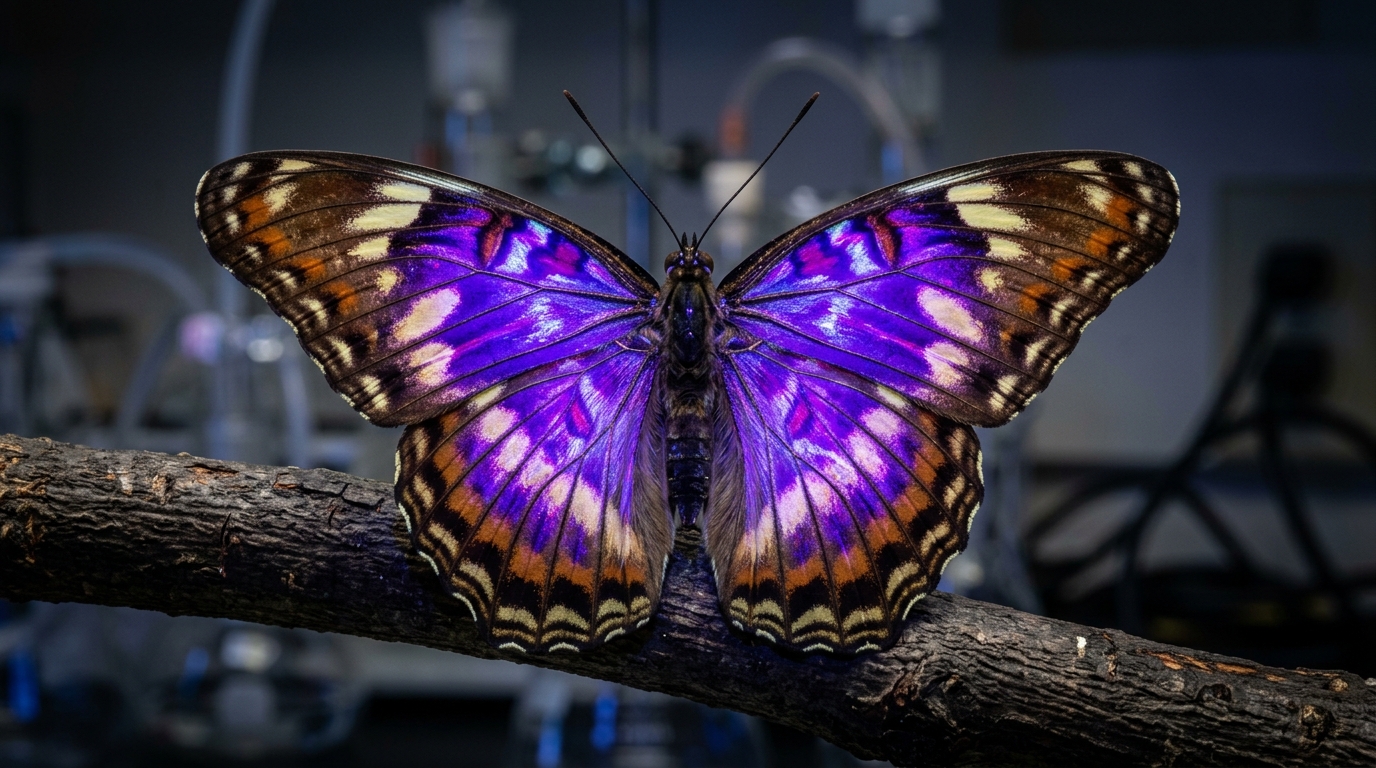
Andrés Orellana also spent hours studying preserved butterflies, searching for clues that had gone unnoticed. Eventually, a surprising discovery was made: a faint purple shimmer beneath their wings. “I checked it with a spectrometer and discovered that even though the butterflies didn’t look purple to me, they reflected UV light,” she explained regarding this optical characteristic.
Coexistence, Unresolved Mysteries, and Future Observations
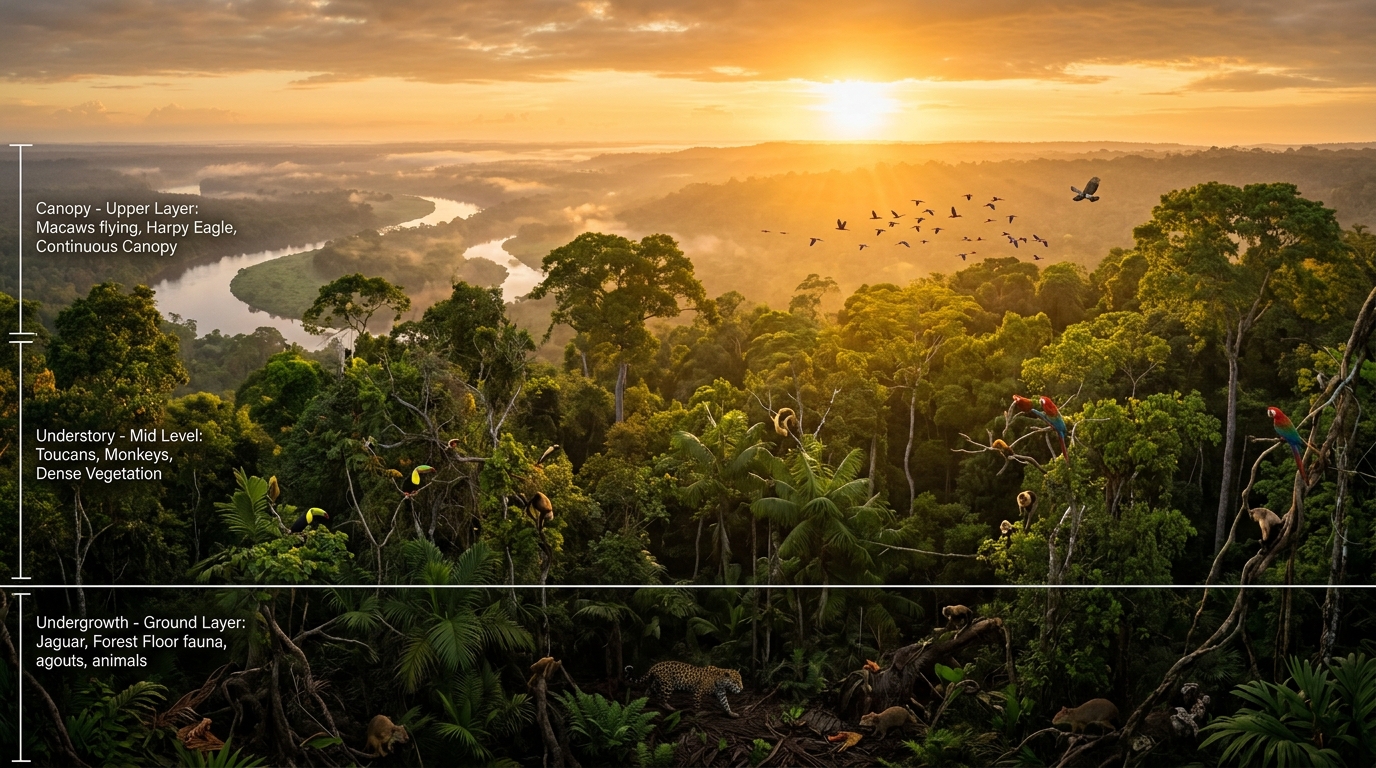
Scientists generally expect new species to form after populations are separated by physical barriers such as mountain ranges. Since these butterflies often share the same habitats, researchers believe that another factor keeps them isolated. “There could be vertical stratification among these butterflies,” explained Anisha Sapkota. “Colobura dirce is typically found in the understory, while C. cryptica and C. annulata are usually found in the canopy, but we don’t know for sure because there have been mixed signals from different studies.”
Several questions remain unanswered, particularly regarding how these insects recognize members of their own species, since they lack scent glands used to release mating chemicals. Their ultraviolet patterns might help them identify suitable mates, but studies have not yet confirmed this idea. Nuclear DNA shows no signs of interbreeding, with each species following its own evolutionary path despite living side by side. This discovery, published in the journal Zootaxa, serves as a reminder that biodiversity still lies hidden in plain sight. The only way to answer the remaining questions is simple, according to Anisha Sapkota: “Someone has to go out into the field to find out for themselves.”
Source: earth.com
A common butterfly found in tropical America actually comprises three distinct species


