

The Impact of the In Utero Environment
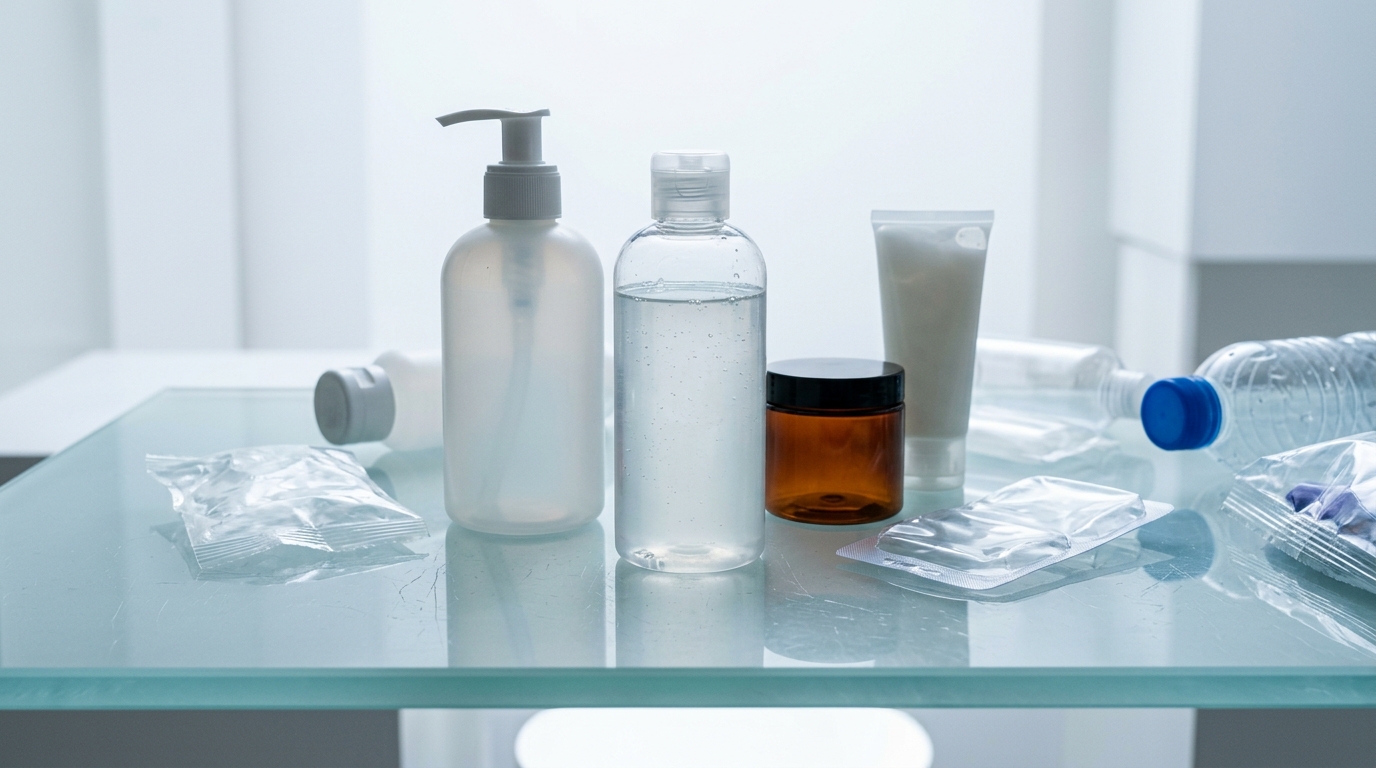
A large-scale study has now mapped the levels of these compounds present during pregnancy. According to a report published in the journal JAMA Network Open, these findings suggest that some of these substances may influence the timing of delivery and the baby’s birth weight. The study was led by scientists at the University of North Carolina (UNC) at the Gillings School of Global Public Health, Stanford University, and the Woods Institute for the Environment.
Massive Exposure to Multiple Substances
"These chemicals are hard to avoid because they are found in a wide range of products we use every day. It can be difficult to know whether products contain them, and even when we do know, we have limited control over our exposure," said Jessie Buckley, a professor of epidemiology at the Gillings School.
Direct Effects on Gestational Age and Birth Weight

The same families of chemicals, along with PAHs, were linked to lower birth weight relative to the baby’s gestational age. Some rarely studied compounds also fit this pattern, including halogenated phenols and a couple of specific bisphenols. These factors are not minor details, as gestational age and birth weight are closely linked to a child’s health well beyond early childhood.
The Problem of Alternatives and Regulatory Loopholes
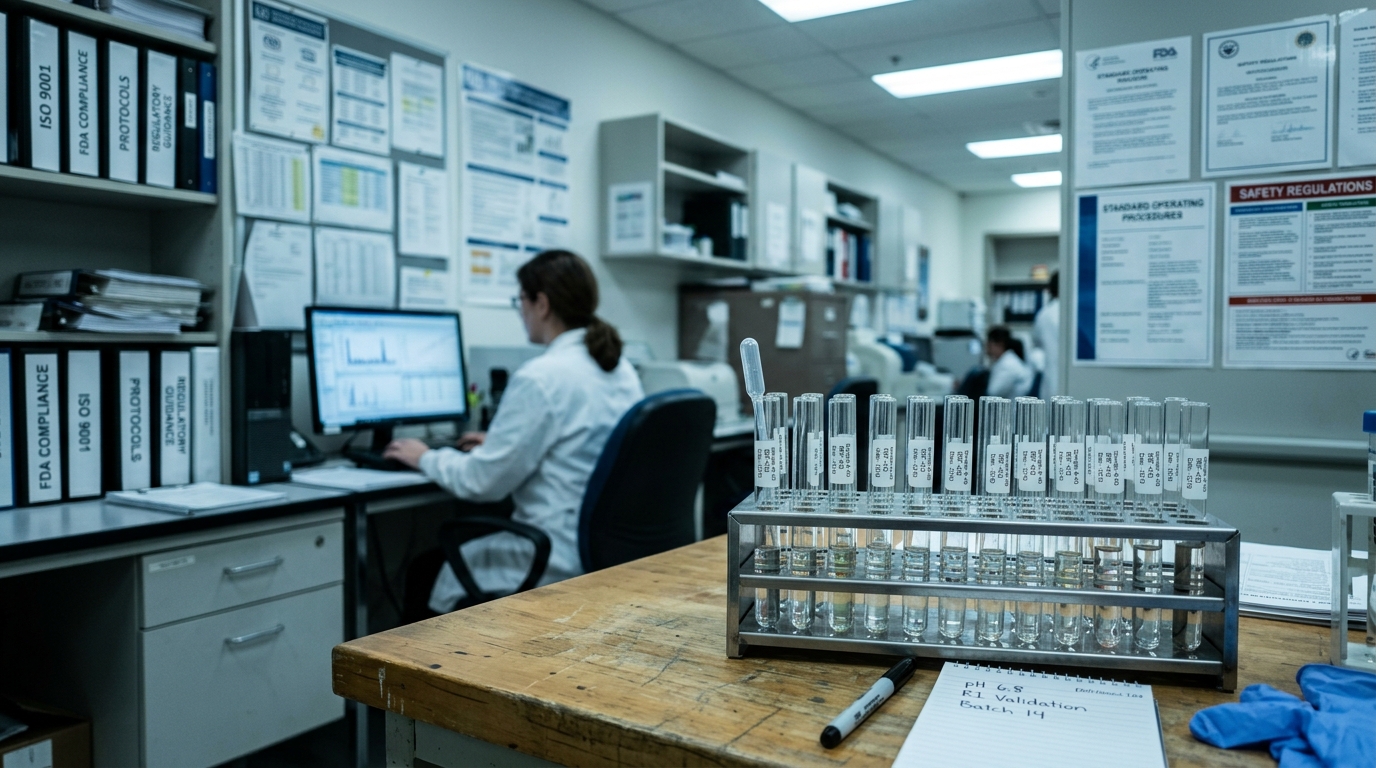
One specific finding regarding phthalates deserves special attention. These chemicals are found on baby care shelves, in toys, diaper creams, shampoos, and other products. In 2017, the U.S. Consumer Product Safety Commission permanently banned or severely restricted eight common phthalates in toys and children’s products. However, this action left out many other products, including those used during pregnancy.
“Our study highlights the need for stricter policies to protect people from toxic chemicals,” said Tracey Woodruff. She added, “Pregnant women are at risk of exposure to chemicals from multiple sources, many of which are beyond their control.” According to the expert: “Governments and companies must do a better job of reducing harmful chemicals in everyday products and ensuring that new chemicals are safe, which will lead to healthier children and families.”
How to Limit Environmental Exposure
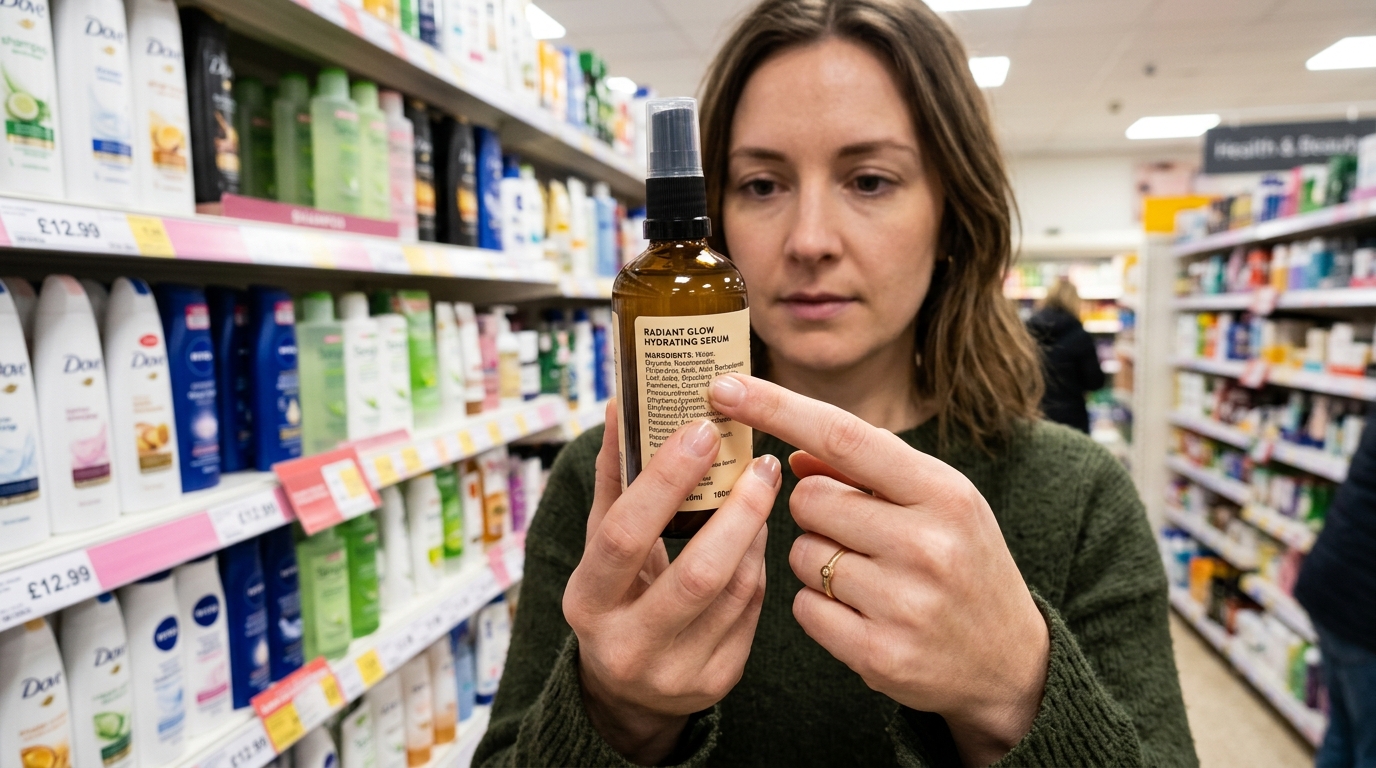
Individual choices still have some marginal benefit. Reading labels, choosing fragrance-free options, and keeping plastic away from hot foods can reduce certain exposures. The main solution, the team argues, lies further upstream in the production chain. “While there are some practical steps people can take, reducing harmful chemicals at the source is the most effective way to protect children and families,” said Jessie Buckley.
Source: earth.com
The Impact of Everyday Chemicals on Gestational Duration and Birth Weight


