

The Myth of the Human Mind in the Face of Evolution
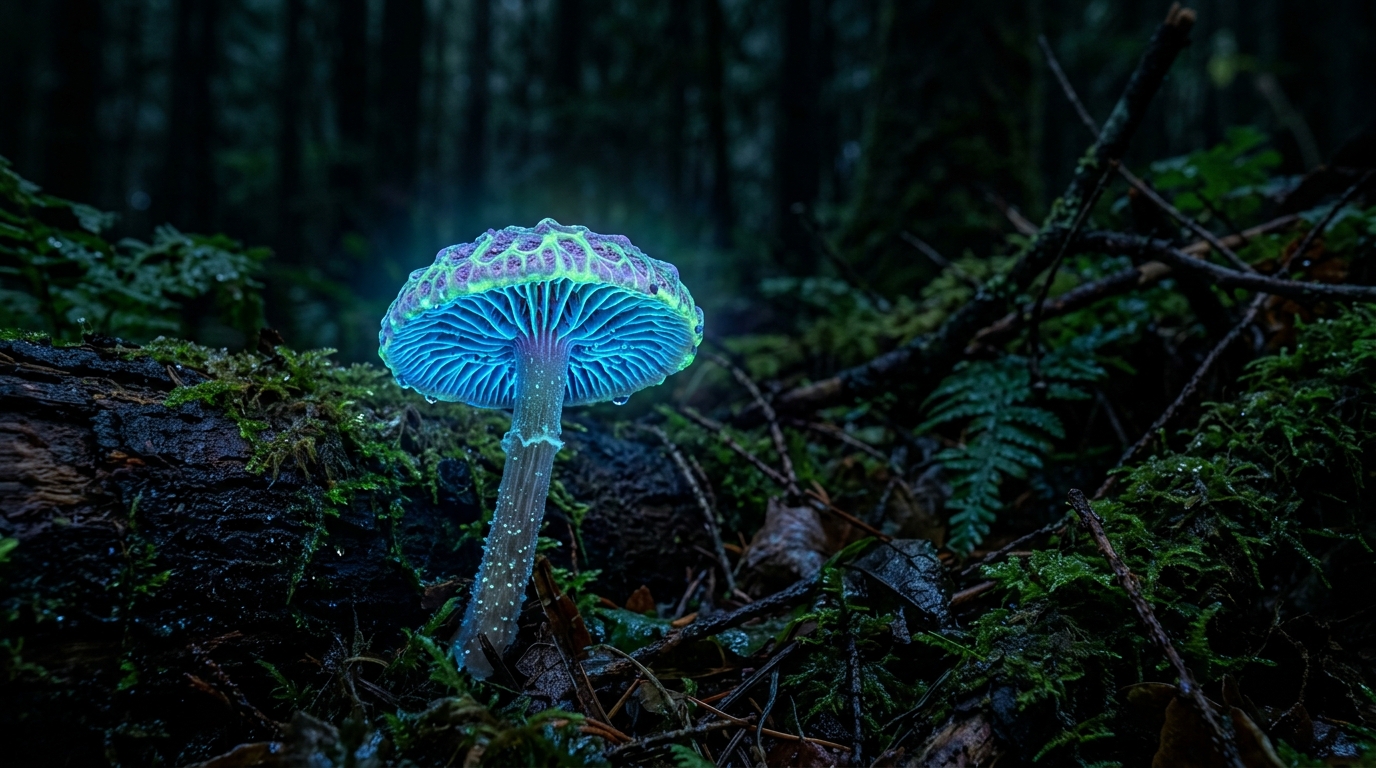
However, a new perspective on the origin of these molecules is upending this narrative, as reported in a detailed study on the subject. The plants, fungi, and animals that synthesize psychedelic compounds may not have developed them with us in mind at all. For years, scientists have cataloged compounds such as psilocybin—found in certain mushrooms—primarily to measure their effects on humans, rarely asking why so many unrelated species went to the trouble of producing them.
Professor Xiaohui Wang, a researcher at the Changchun Institute of Applied Chemistry (CIAC) in China, led the team behind this new framework. “This is where the work breaks with the past. Instead of asking what these compounds do to humans, researchers are asking why plants, fungi, and animals evolved to produce them in the first place,” the study’s authors explain. The well-known uses of these compounds and the buzz surrounding recent trials for depression had previously overshadowed this fundamental question.
A chemical survival kit designed by nature

In the wild, a compound that requires an organism to expend energy to produce generally persists because it performs a specific function. “Drawing on genetics, chemistry, and field ecology, they argue that these molecules have evolved because they provide the organisms that produce them with an ecological advantage,” reveals the research by Professor Wang’s team. These mechanisms are essential for ensuring the survival of species in hostile environments.
The dynamics of flora and fauna perfectly illustrate this biological reality. A grazer that feels strange after a single bite quickly learns to leave the plant alone on future visits. Similarly, a pollinator guided in the right direction by a chemical signal provides a direct service to the plant that produced the substance, thereby optimizing the plant’s chances of reproduction.
A universal chemical language based on serotonin
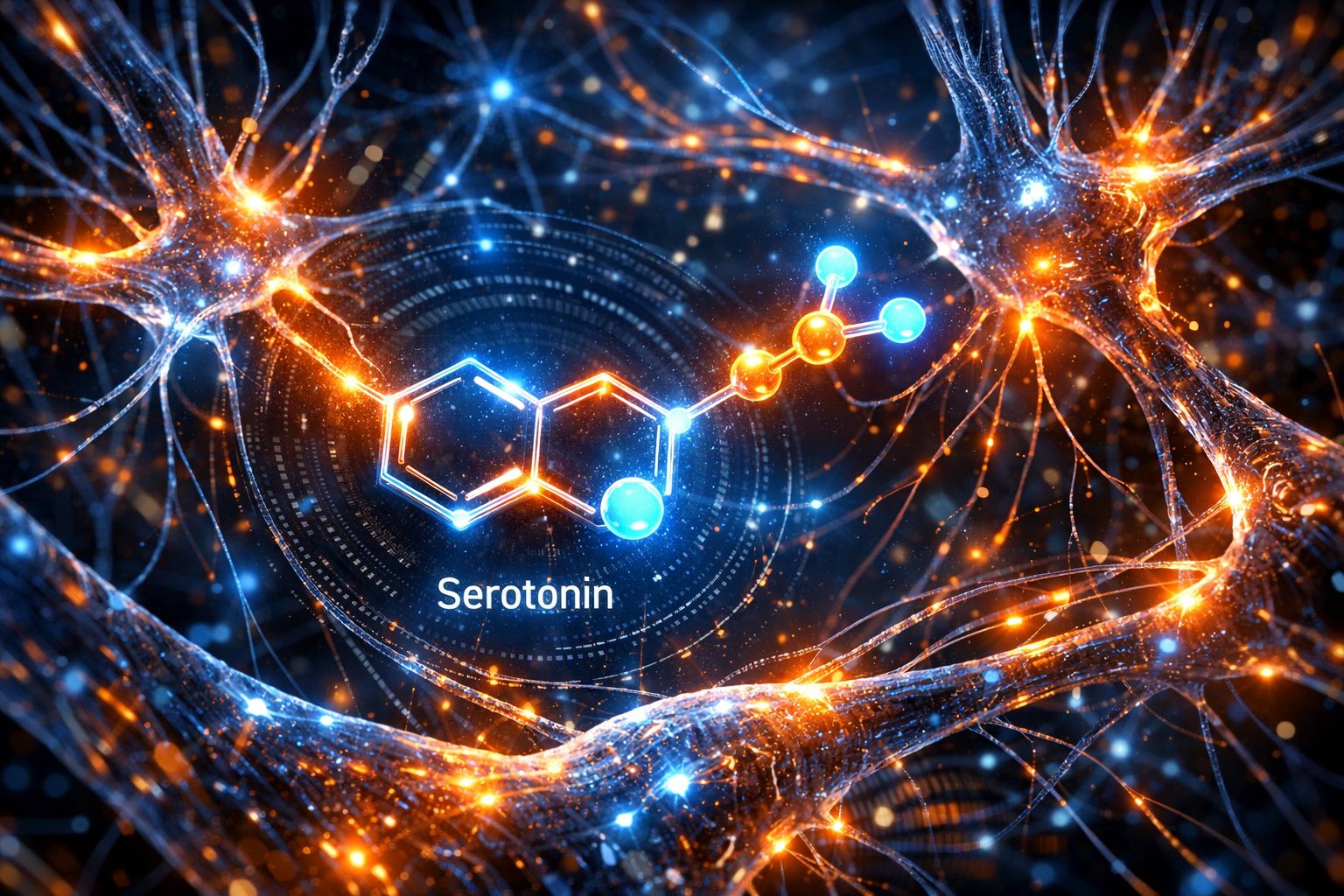
The effectiveness of these substances relies on a shared biological architecture. “A molecule produced by a cactus can affect a beetle or a bird because they share ancient serotonin signaling systems. Nearly every animal possesses this chemical network, and has done so for hundreds of millions of years,” the researchers explain. Serotonin is a fundamental chemical signal that helps regulate feeding, movement, sleep, and mood in creatures as diverse as earthworms and humans.
“Because this system is so ancient and so widespread, even minute amounts of the right compound could influence it. By acting on receptors that the nervous system already relies on, these molecules could subtly alter the way another animal feeds, flees, or behaves,” the study notes. This subtle manipulation offers invaluable protection to vulnerable organisms lacking physical defenses.
Evolutionary Convergence in the Face of Predators
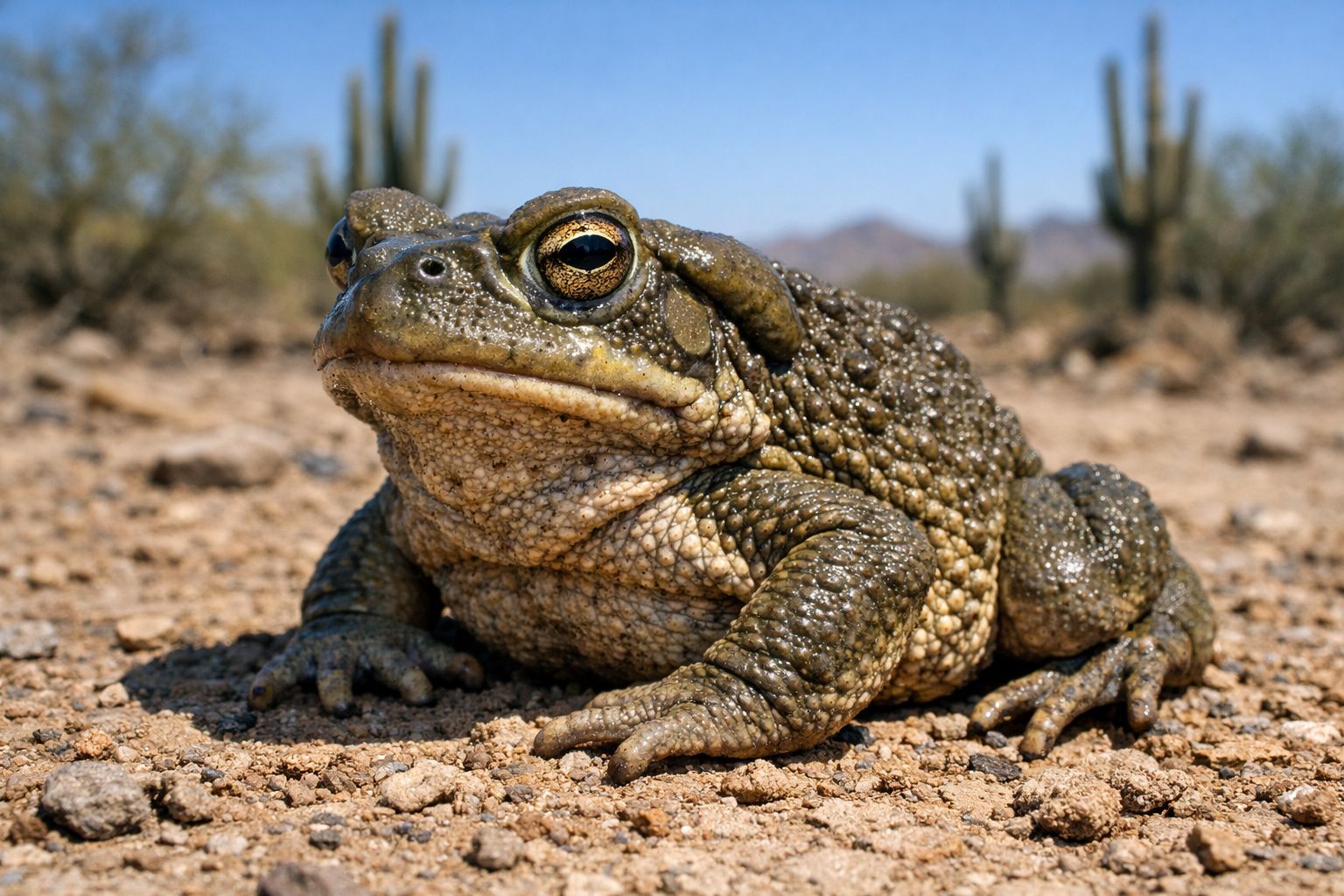
Nature often tends to repeat strategies that work. “The same solution continues to appear in lineages that have evolved independently.” Cacti, fungi, and toads occupy vastly different branches of the tree of life, yet they all produce similar psychoactive compounds. Biologists call this convergent evolution—the same trait emerging spontaneously when species face similar pressures,” the authors note. Chance alone rarely produces the same response so many times.
“Part of the reason this continues to happen is that life operates with a limited chemical toolbox. Organisms start with many of the same building blocks and, with just a handful of chemical tweaks, produce remarkably different molecules with similar effects,” the study explains. Peyote, that small, spineless cactus found in the deserts of Mexico and South Texas, is a perfect example: it accumulates mescaline, bitter enough to deter a hungry animal and potent enough to leave a lasting impression—which is very convenient for a slow-growing plant that cannot run away.
Sustainable Alternatives for Scientific Research
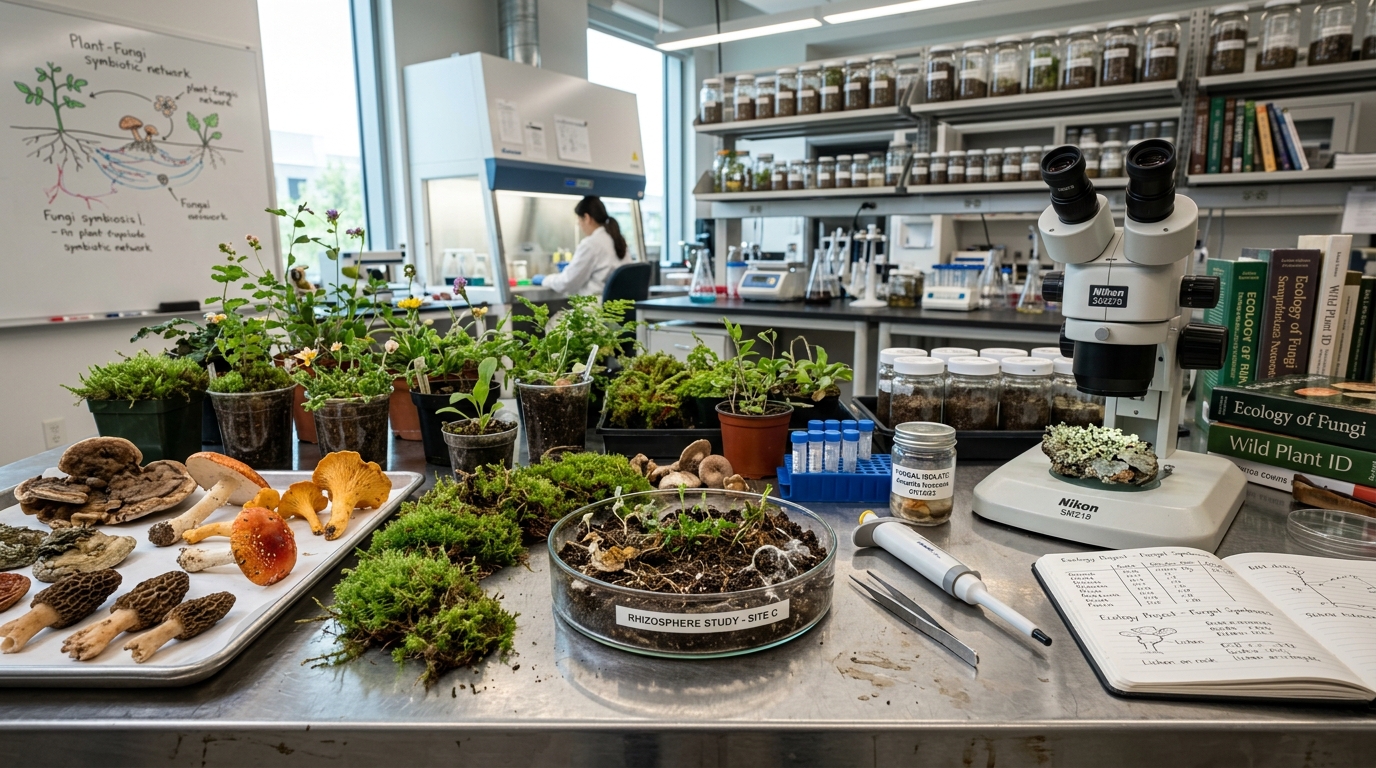
“Producing these compounds with modified microbes could supply laboratories and clinics without disturbing wild cacti, fungi, and toads,” the scientists suggest. Such a laboratory-grown supply would significantly alleviate this environmental pressure and offer researchers a more consistent and cleaner source to work with. The impact of this research offers a concrete explanation for a natural pattern that until now seemed like a mere coincidence.
Hallucinogens found throughout plants, fungi, and animals can now be interpreted as repeated solutions to the problem of survival among other living beings. “The authors propose that producers may have evolved to act directly on the nervous systems of other species, taking advantage of a serotonin signaling system shared across much of the animal kingdom. Viewed in this light, these compounds resemble less drugs intended for the human mind and more chemical signals shaped by evolution,” concludes the study published in the journal PNAS.
Source: earth.com
The True Origin of Psychedelic Substances: An Evolutionary Development Intended for Animals


