

The Strawberry Moon and Its Historical Origins
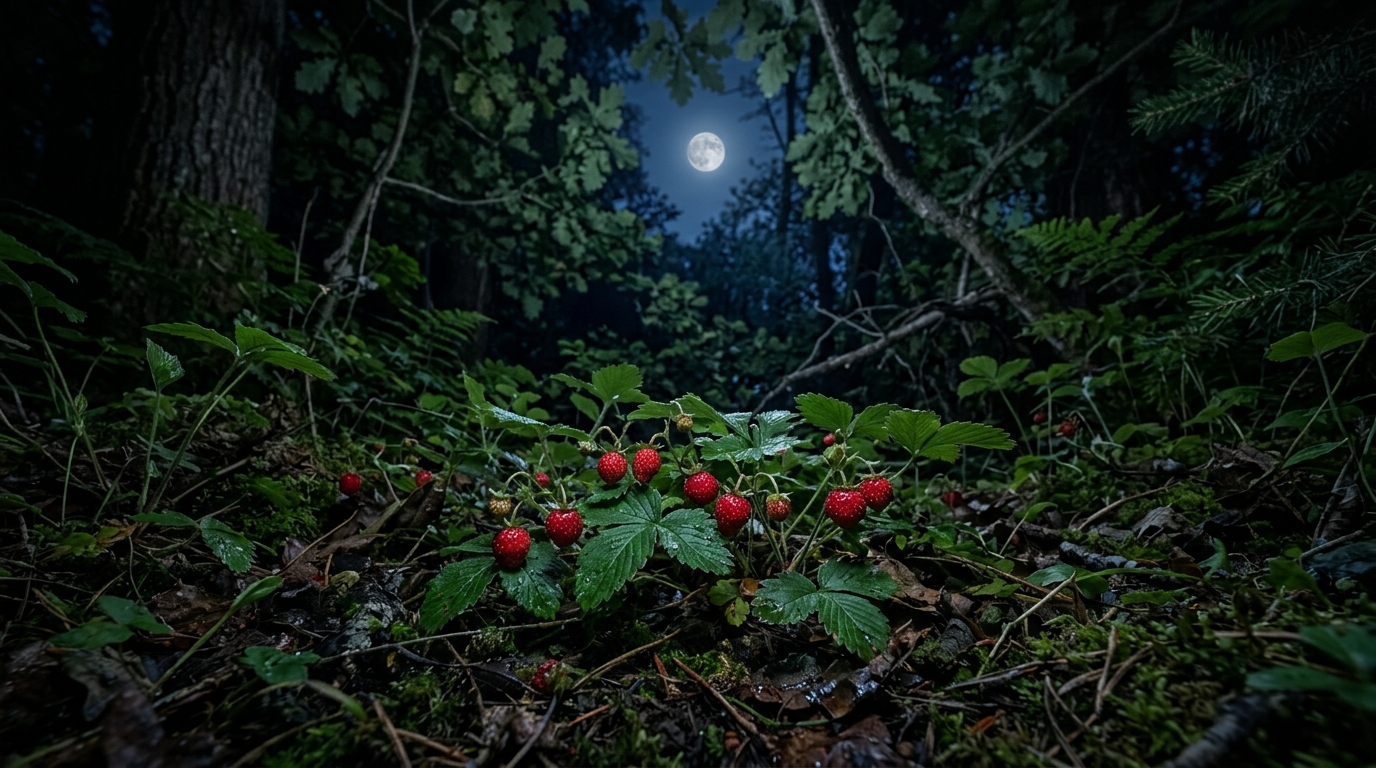
Tonight’s night sky offers a particularly rare visual spectacle, according to a recent report published in the specialized press. This month’s full moon is making its appearance, offering observers an ideal opportunity to observe the famous “lunar illusion.”
According to meteorological data shared by the Old Farmer’s Almanac, this specific moon is known as the Strawberry Moon. This name has no connection to any potential red or pink hue on the moon’s surface at moonrise.
Native Americans historically gave it this name to mark the time of year corresponding to the wild strawberry harvest. Although this name recurs annually, the Moon’s current orbital configuration remains an exceptional event that will not occur again for nearly twenty years.
The Celestial Mechanics Behind the Solstices
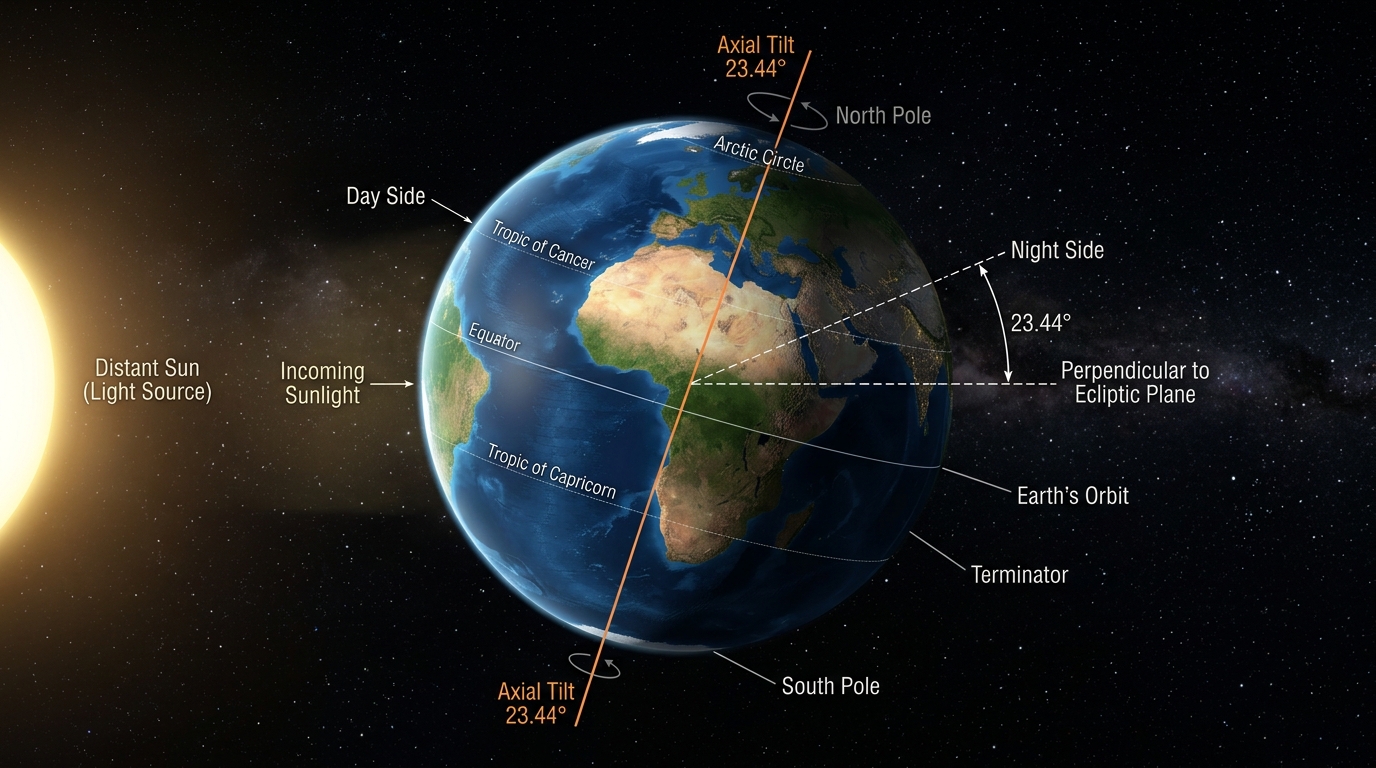
This seasonal variation is a direct result of the Earth’s axial tilt. Our planet is tilted 23.44 degrees relative to its orbital plane around the Sun, causing a 47-degree shift in the Sun’s position between summer and winter.
The National Weather Service explains it this way: “The summer solstice occurs when the Earth’s tilt toward or away from the Sun is at its maximum.” The agency goes on to explain: “Consequently, on the day of the summer solstice, the Sun appears at its highest elevation, with its position at noon changing very little for several days before and after the summer solstice.” Historically, the word derives from the Latin solstitium, meaning “the Sun stands still.”
The Complex Cycle of the Lunar Standstill
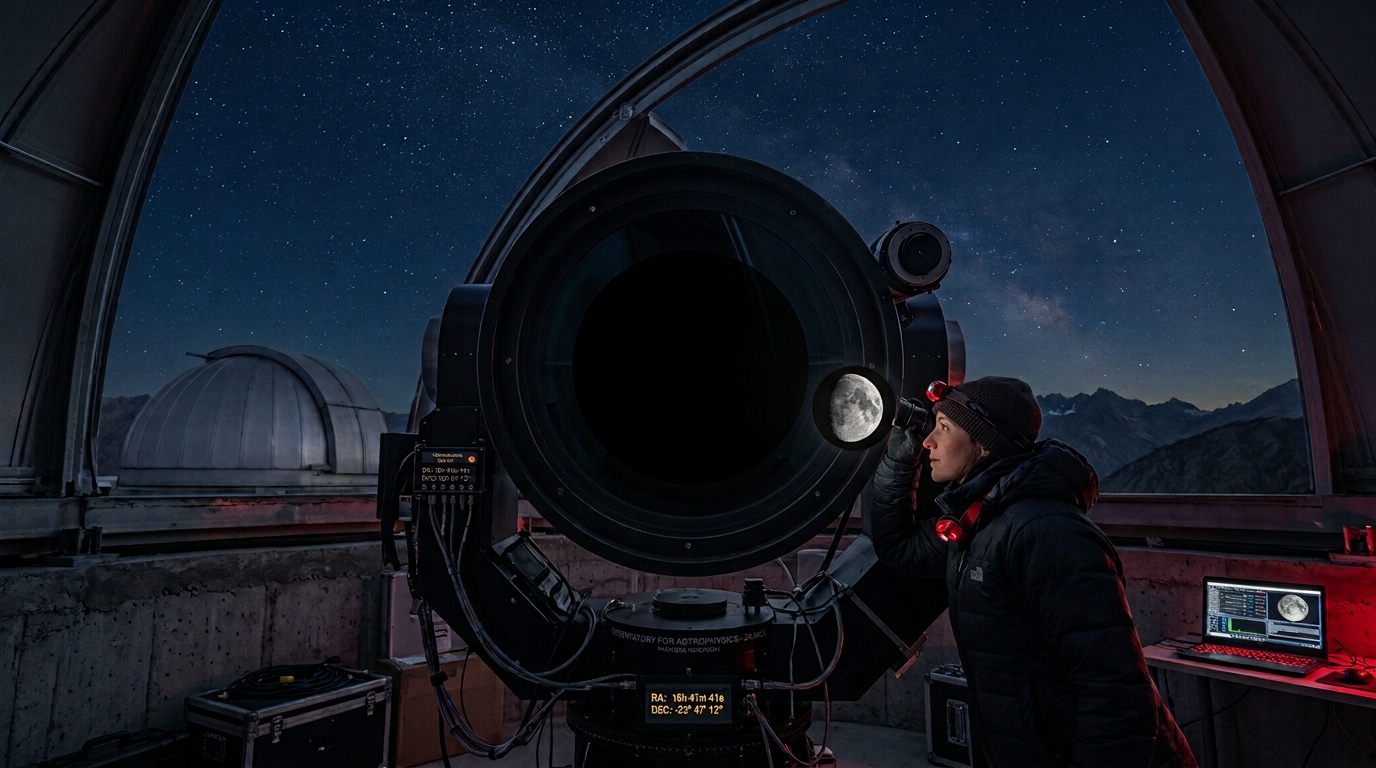
Like the Sun, the Moon goes through its own monthly cycles of “stopping.” If the Moon’s orbit were perfectly aligned with the Earth’s orbital plane, its rise and set in the sky would be identical to those of the Sun.
Specialists who map these positions observe varying trajectories. During a “minor lunar standstill,” the Moon’s highest and lowest points in the sky are close together, keeping its lowest point far from the horizon. This minor standstill is predicted for the year 2034.
Rayleigh Scattering and the Major Lunar Standstill
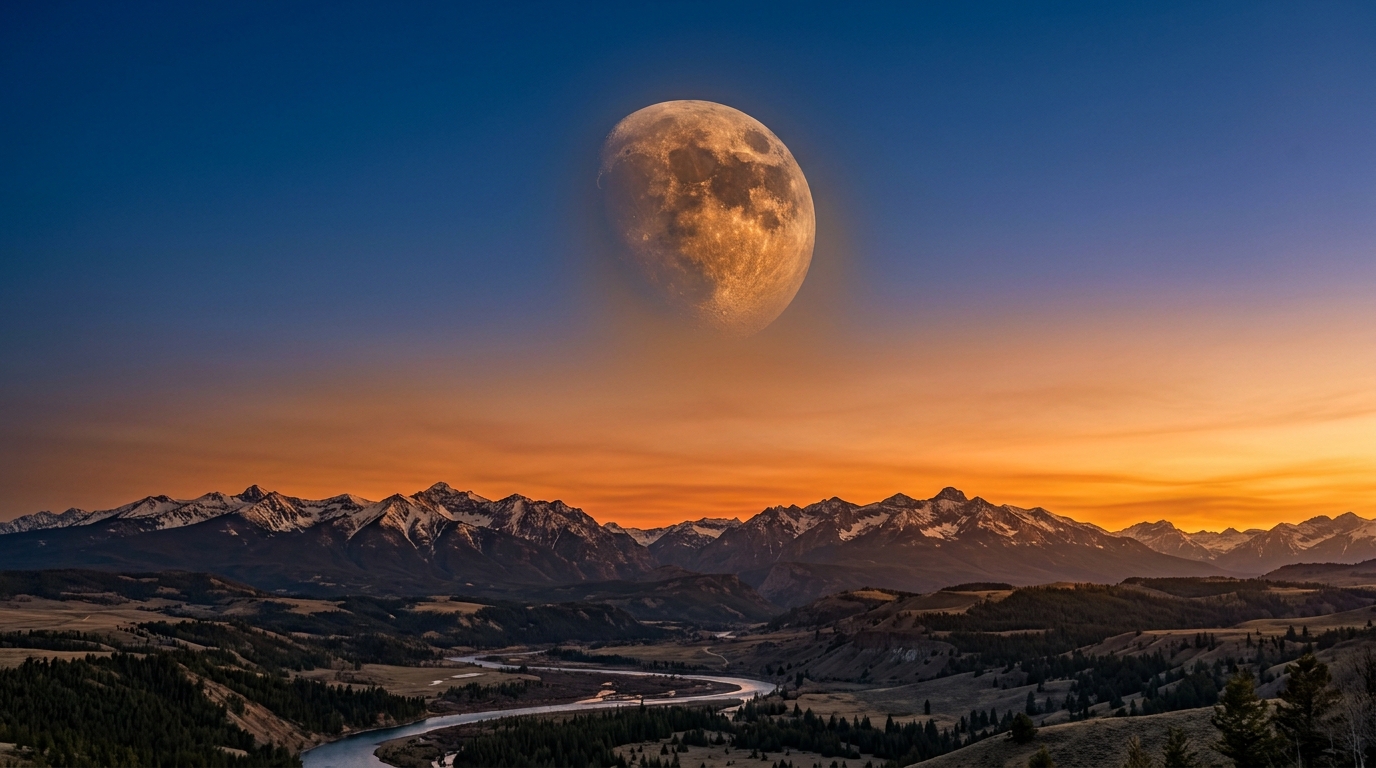
Current nighttime observations benefit from the proximity of a “major lunar standstill,” an astronomical milestone officially reached in 2024. During this phase, the distance between the Moon’s highest and lowest points is at its maximum, bringing the Moon considerably closer to the Earth’s horizon.
This proximity to the horizon highlights the optical phenomenon of Rayleigh scattering. When light passes through Earth’s atmosphere, particles scatter light in the blue spectrum more effectively than red light.
Stonehenge’s Legacy in Relation to Celestial Cycles
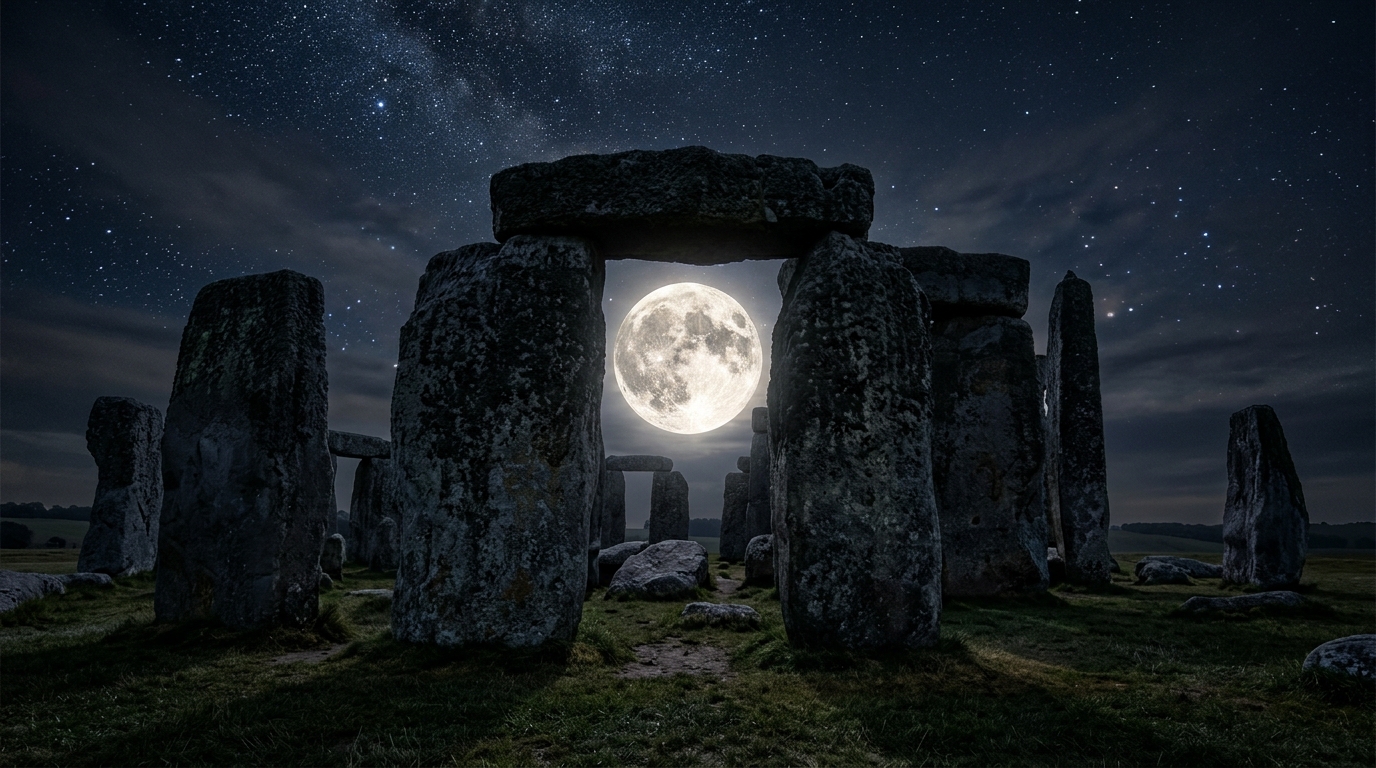
English Heritage, the organization that manages this ancient site, documents these events, explaining: “Occurring only about once every 19 years, the major lunar standstill would have been a generational event—one that was passed down in stories told orally from one generation to the next.” The historical report adds: “The phenomenon may have marked grand celebrations of religious, spiritual, and social significance, and may also have marked the occasion for rites of passage for young community members as they came of age.”
As the orbit moves away from this major standstill toward the minor standstill of 2034, the next major lunar standstill is not expected until 2043. Tonight is the ideal time to observe the lunar illusion near the horizon, as the phenomenon will be very slightly less impressive during next month’s cycle.
Source: iflscience.com
Look up at the Moon tonight: a sight you won’t see again for nearly 20 years


