

The Promise of Energy Without the Risk of Explosion
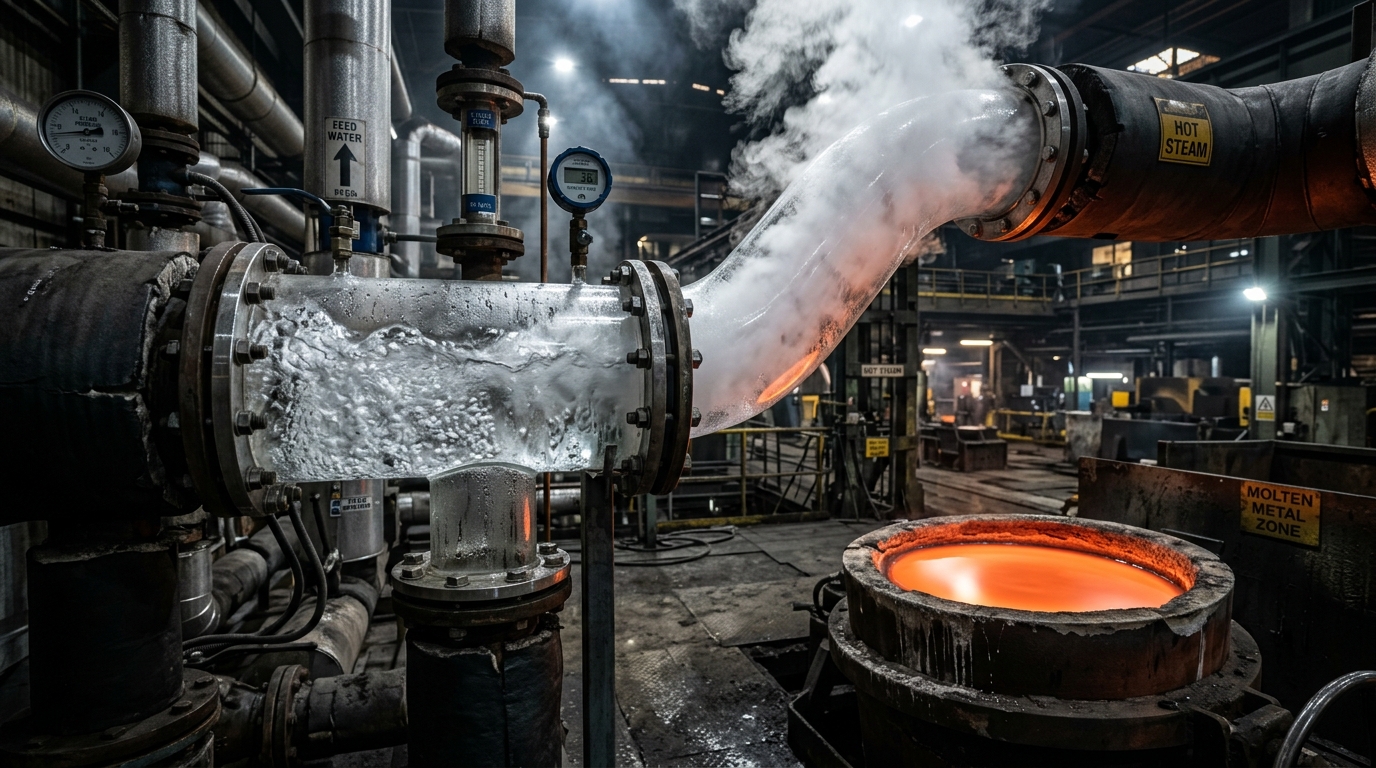
Remarkably, this system involves absolutely nothing nuclear, as it uses no actual fuel. The team behind this project realized that by simulating the behavior of a nuclear reactor without using nuclear fission, they could achieve the same analytical results without risking another apocalyptic disaster. PRECURSOR replicates every aspect of fission reactors—from their thermal physics to their piping and size—thereby providing a safe testing environment.
The Technical Ingenuity of an Electric Prototype
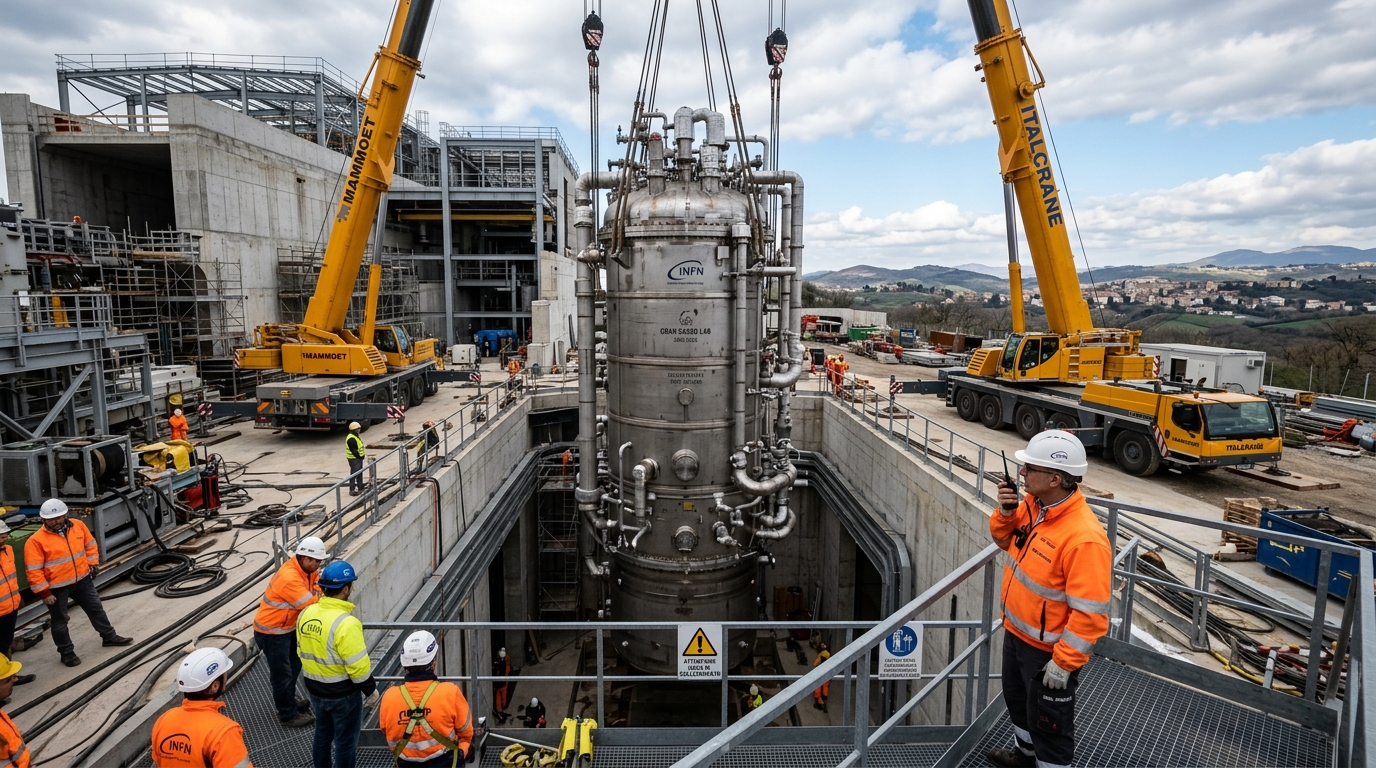
This machine’s operation relies on cutting-edge engineering. Since there is no fuel, electric heaters warm the molten lead in the space where radioactive material would normally be located. The lead then transfers this heat to a steam generator that powers a turbine. The reactor thus has a thermal output of 10 megawatts, allowing the system to be tested safely before moving on to a larger, more powerful reactor that actually produces electricity.
"What makes [PRECURSOR] truly unique is that it will generate electricity using a turbine—the only component we did not manufacture but which has just been completed by our partner FINCANTIERI—making it potentially the only facility in the world to provide such a comprehensive demonstration of a reactor’s capabilities," said Stefano Buono, the company’s CEO and founder, in a recent LinkedIn post.
The exceptional properties of the heavy metal
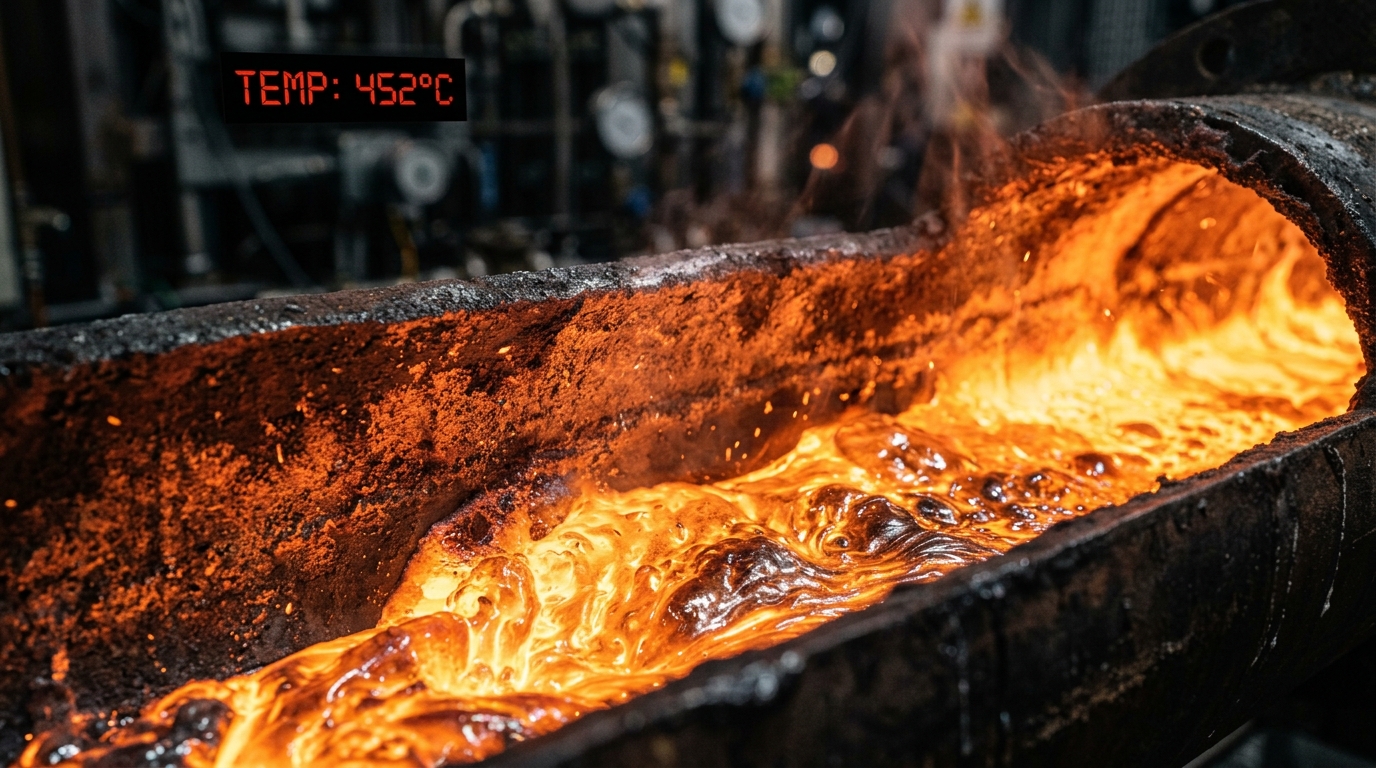
Using molten heavy metal for cooling offers major thermal and physical advantages. Lead must be heated to an astronomical temperature of 3,170 degrees Fahrenheit—or 1,743 degrees Celsius—to even begin to boil. Consequently, the machine does not require the extreme pressure needed when water—which boils at only 212 degrees Fahrenheit or 100 degrees Celsius—is used in most nuclear reactors. It is therefore nearly impossible for the machine to overheat and trigger an explosion.
Furthermore, heated lead is so dense that it can circulate on its own without the need for mechanical pumps. In the event of a fuel leak in a real reactor, this liquid metal would easily solidify, forming a protective barrier. Future reactors that use fissile material will benefit from lead’s ability to capture fission byproducts, such as iodine and cesium, significantly reducing the risk of contamination.
Toward Recycling Cold War Assets
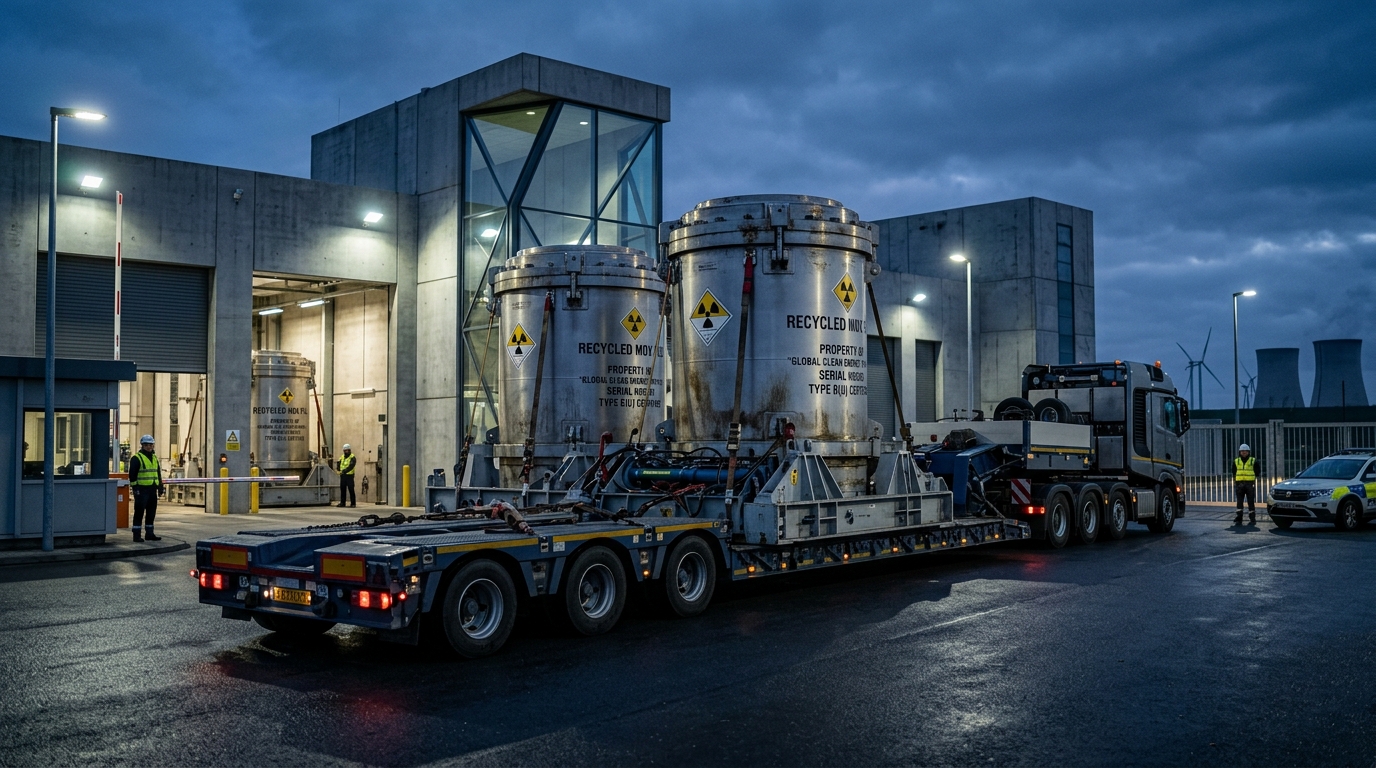
The model currently under construction will remain a demonstration-only prototype. The company’s first commercial reactor will be the LFR-AS-30, with a capacity of 30 megawatts. Although it will not be operational until 2031, the Italian company has already established a strategic partnership with Oklo, one of two technology companies selected by the U.S. Department of Energy for its Surplus Plutonium Utilization Program.
As part of this utilization program, the U.S. Department of Energy will provide Oklo with a portion of the approximately 44,100 pounds—equivalent to 20 metric tons—of weapons-grade plutonium left over from the Cold War. The company designing the lead-cooled reactor will use this plutonium to fuel its future nuclear power plants. This massive recycling plan represents an undeniable improvement over the original fate of this material, which was to be disposed of at the Waste Isolation Pilot Plant in New Mexico.
“Surplus plutonium was once viewed solely as a nuclear liability and a multibillion-dollar financial drain on taxpayers—but it doesn’t have to stay that way,” Josh Jarrel, Deputy Assistant Secretary for the Nuclear Fuel Cycle, recently explained in a press release. He went on to state: “We are repurposing this Cold War legacy to serve as a vital energy asset, fueling the next generation of American nuclear innovation.”
A vision for the future championed by an eclectic author

The original article detailing these technological advances was written by Elizabeth Rayne, a freelance writer who describes herself as a “creature who writes.” Her science writing has been published in numerous renowned media outlets such as Popular Mechanics, Ars Technica, SYFY WIRE, Space.com, Live Science, Den of Geek, Forbidden Futures, and Collective Tales.
To accurately convey the full picture painted by the source, it’s worth noting that the journalist lives just outside New York City, where she resides with her parrot named Lestat. Her wide-ranging interests fuel her distinctive writing style; she reveals that when she isn’t writing articles, she devotes her time to drawing, playing the piano, or practicing metamorphosis—adding a personal touch to her professional biography.
This detailed exploration of a fuel-free alternative illustrates the energy sector’s ability to reinvent itself in the face of contemporary challenges. By replacing water with dense materials, engineers are laying the groundwork for a more controlled future. For any medical questions related to exposure to the physical elements mentioned in this document, consult a qualified healthcare professional.
Source: popularmechanics.com
The PRECURSOR Reactor: A Nuclear Revolution Without Fuel


