

Sporotrichosis: A Threat That Extends Beyond House Cats

Brazilian Roads Transformed into Public Health Monitoring Tools

The research team chose to approach this sad reality from a different angle, viewing these remains as a constant and inexpensive source of information on wildlife health. This work stems from a long-term project led by the State University of Londrina (UEL), with samples analyzed at the Federal University of São Paulo (UNIFESP). Surveys were conducted along two highways in Paraná, the BR-376 and the PR-445, both of which traverse the Atlantic Forest.
A rapid DNA analysis targeting three species of Sporothrix

The fungus was detected in 11 animals—13.6% of the group—affecting all three classes of animals studied. The heart and liver were the most commonly infected sites, testing positive in six and five animals, respectively. This pattern indicates an internal infection, ruling out the hypothesis of simple spore inhalation through the lungs or superficial contact.
Steffanie Skau Amadei, a Ph.D. candidate at McGill University and the study’s first author, explains: "We were able to detect the fungus’s DNA in internal tissues, such as the liver and heart, which is an indication that it circulates throughout the body." She adds: "Furthermore, we only evaluated anatomically intact organs that were not exposed to the environment, which could be a source of contamination."
Unexpected Hosts: When Birds and Reptiles Are Affected
The distribution of the three fungal species was not uniform. S. schenckii proved to be the most common species, identified in eight samples from seven different animals, while the other two species were found in rarer—but particularly surprising—hosts.
A major finding concerns the birds’ body temperature. Amadei explains: “There is a prevailing view that birds are protected from pathogenic fungi simply because they have a high body temperature—up to 42°C—which would make it impossible for the fungi to survive. We found in this study that the pathogenic species do indeed tolerate high body temperatures.” Sporothrix brasiliensis, the species responsible for most cat-related cases in Brazil, was found in a Picui dove and a Tataupa tinamou, raising concerns about long-distance spread by these winged travelers.
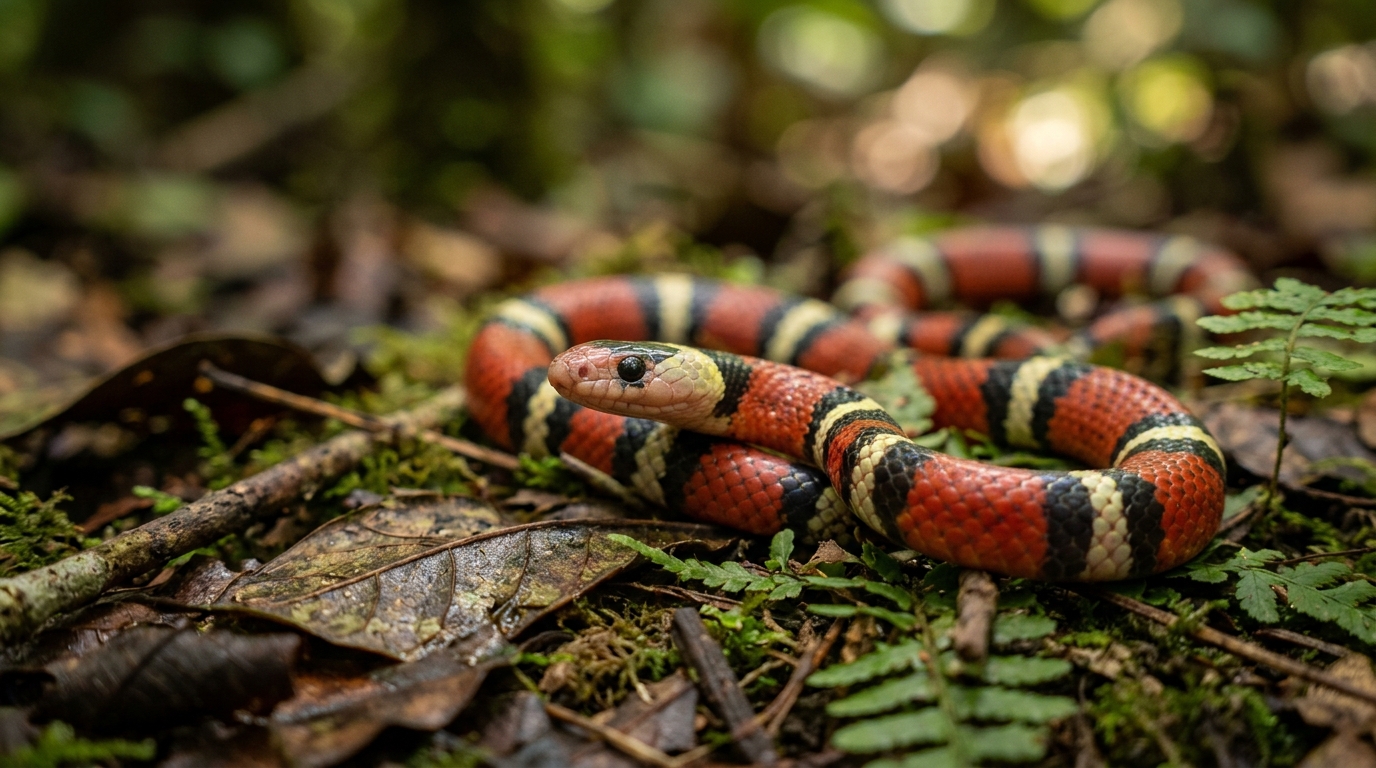
Reptiles, which were almost never tested for this fungus in previous surveys, are also affected. A false coral snake tested positive, becoming the first known reptile to carry these species—and even harboring the DNA of two different Sporothrix species simultaneously. It may have been infected by eating prey or through simple skin contact. Finally, Sporothrix globosa, the rarest species in Brazil, was found in an agouti, a ground-dwelling rodent that buries seeds and likely encounters the fungus while digging in the soil.
Threatened Predators and Fragile Ecological Boundaries
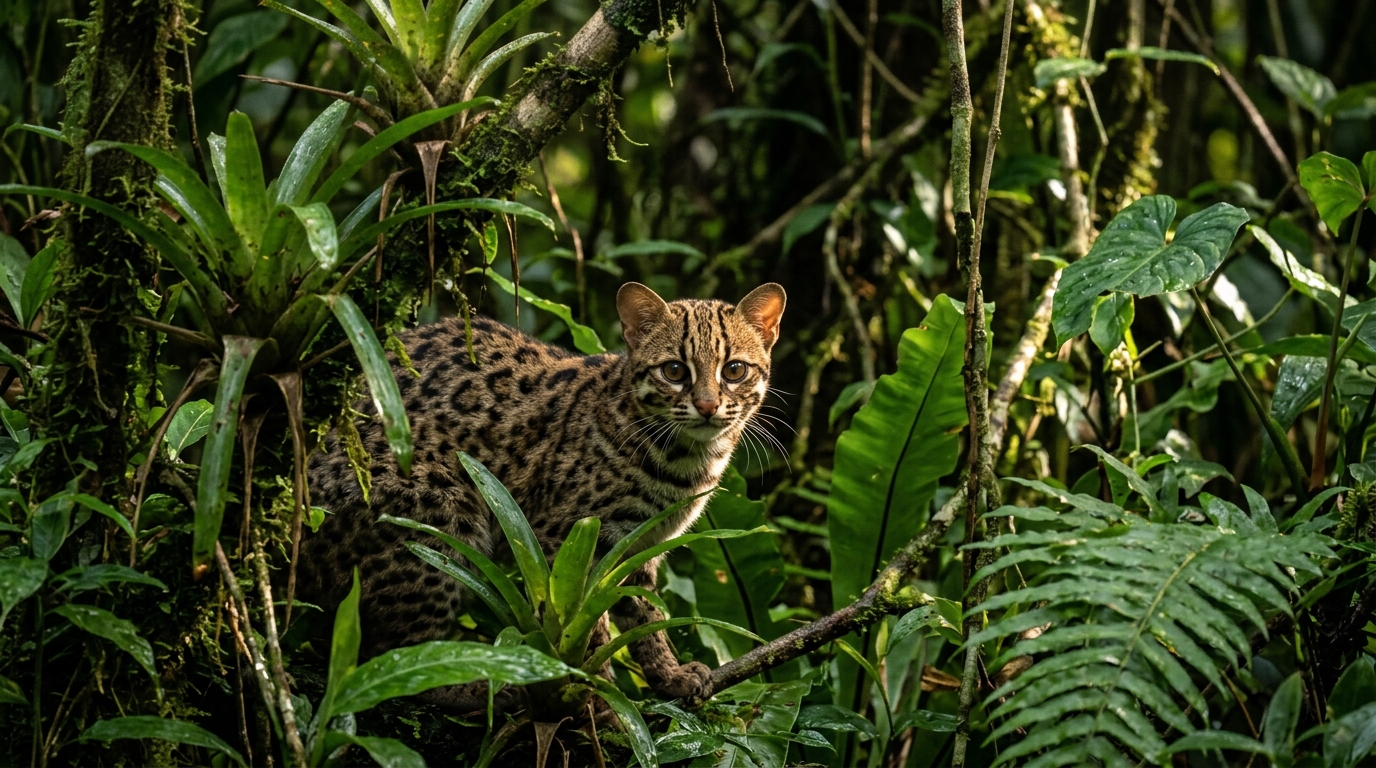
The study raises important conservation questions, particularly following the discovery of a Southern tiger cat—a threatened species—carrying the fungus in its heart rather than on its skin. In cats, the disease typically presents as skin lesions; a cardiac location therefore suggests a deep, systemic infection within a vulnerable wild predator. Other highly adaptable mammals, such as the European hare and the white-eared opossum, also tested positive. Their ability to move between forest and urban areas could make them transmission links between wild and urban environments.
The detection of the fungus was, in fact, more closely linked to road type and contact with domestic animals than to the animal’s species or conservation status. Anderson Messias Rodrigues, the study’s coordinator, emphasizes: “We are witnessing the emergence of Sporothrix in new hosts. Human pressure on the environment is blurring the boundaries between rural, urban, and wild areas.” This approach aligns with the “One Health” concept, illustrating the deep interconnection between human, animal, and environmental health.
Although examining roadkill provides a low-cost early-warning system, questions remain. “It was not possible to determine whether the fungi were in their pathogenic form in wild animals, but it is clear that they are circulating more widely than we had imagined, posing a potential risk to human and animal health,” concludes Rodrigues. More detailed tissue studies will be necessary, as noted in the study published in the journal Mycopathologia. For any medical questions, consult a qualified healthcare professional.
Source: earth.com
A fungus transmitted from cats to humans has now been detected in wild animals


