Skip to content

The False Dilemma Between Climate and Growth

Every time a government commits to reducing its greenhouse gas emissions, it also implicitly makes major decisions regarding food, water, energy, urban planning, employment, and public health. Yet these interconnections are rarely made explicit in national political debates.

A major scientific study sheds light on these often-hidden connections. Led by researchers at the CMCC (Euro-Mediterranean Center on Climate Change) under the direction of researcher Francesca Larosa, the team used artificial intelligence to analyze the Nationally Determined Contributions (NDCs) of 158 countries that are signatories to the Paris Agreement.

The scientists then systematically compared each of these climate plans with the Sustainable Development Goals defined by the United Nations. The findings reveal that there are numerous opportunities to reconcile these two imperatives, yet they remain largely untapped.

The End of a Political Myth: The Alliance Between Climate and Development
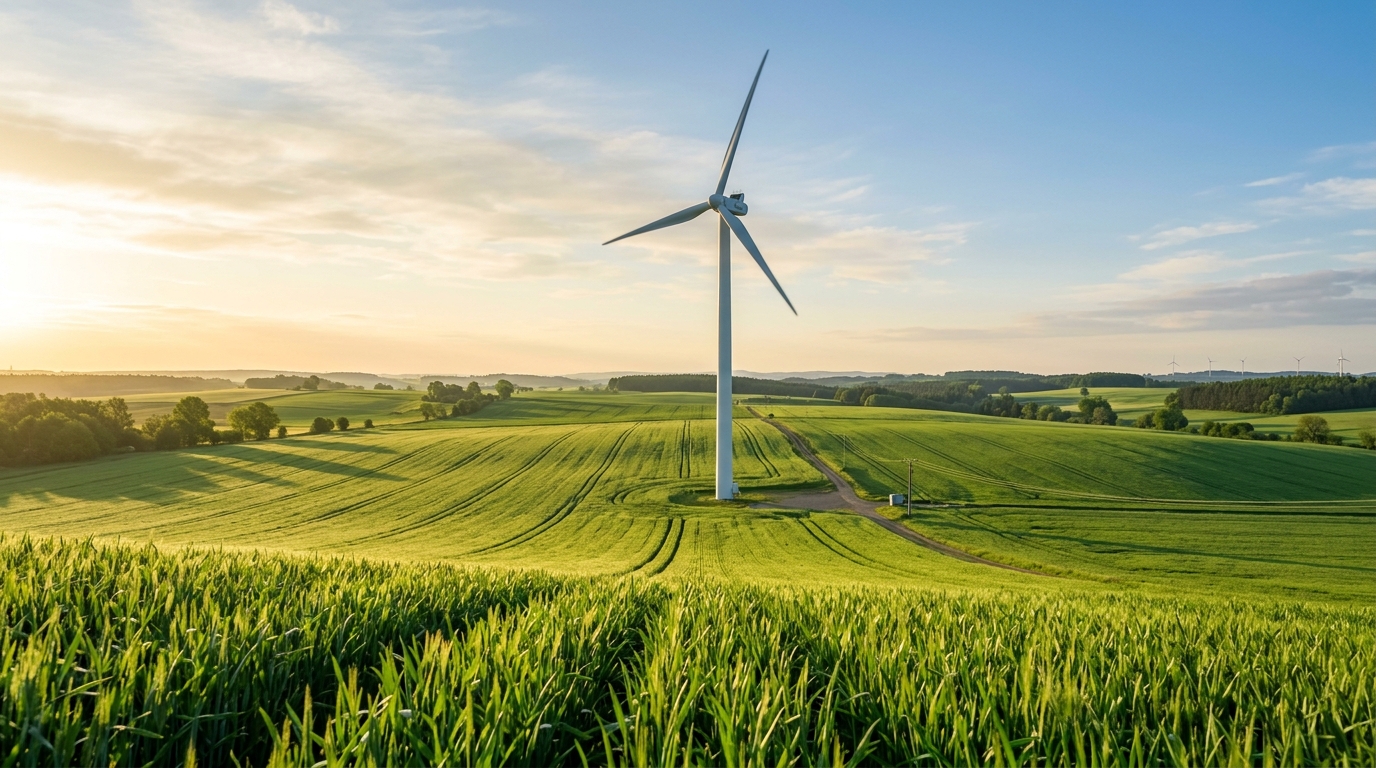
For many years, a persistent concern has weighed on environmental policymaking: the idea that committing to a genuine ecological transition would require sacrificing economic growth. The results of this new modeling strongly challenge this long-held assumption.

“The findings challenge a long-standing concern among policymakers and the general public that stronger climate action could hinder economic development,” explains Francesca Larosa in the report. On the contrary, the data suggest that integrated planning resolves this apparent contradiction.

“Quite the contrary: this research shows that integrating climate and development goals can generate significant benefits for both people and the planet,” adds the researcher. The so-called painful trade-off between the economy and the environment thus turns out to be more of a political myth than a structural reality—provided that resources and political attention are not fragmented.

National Priorities and Global Disparities
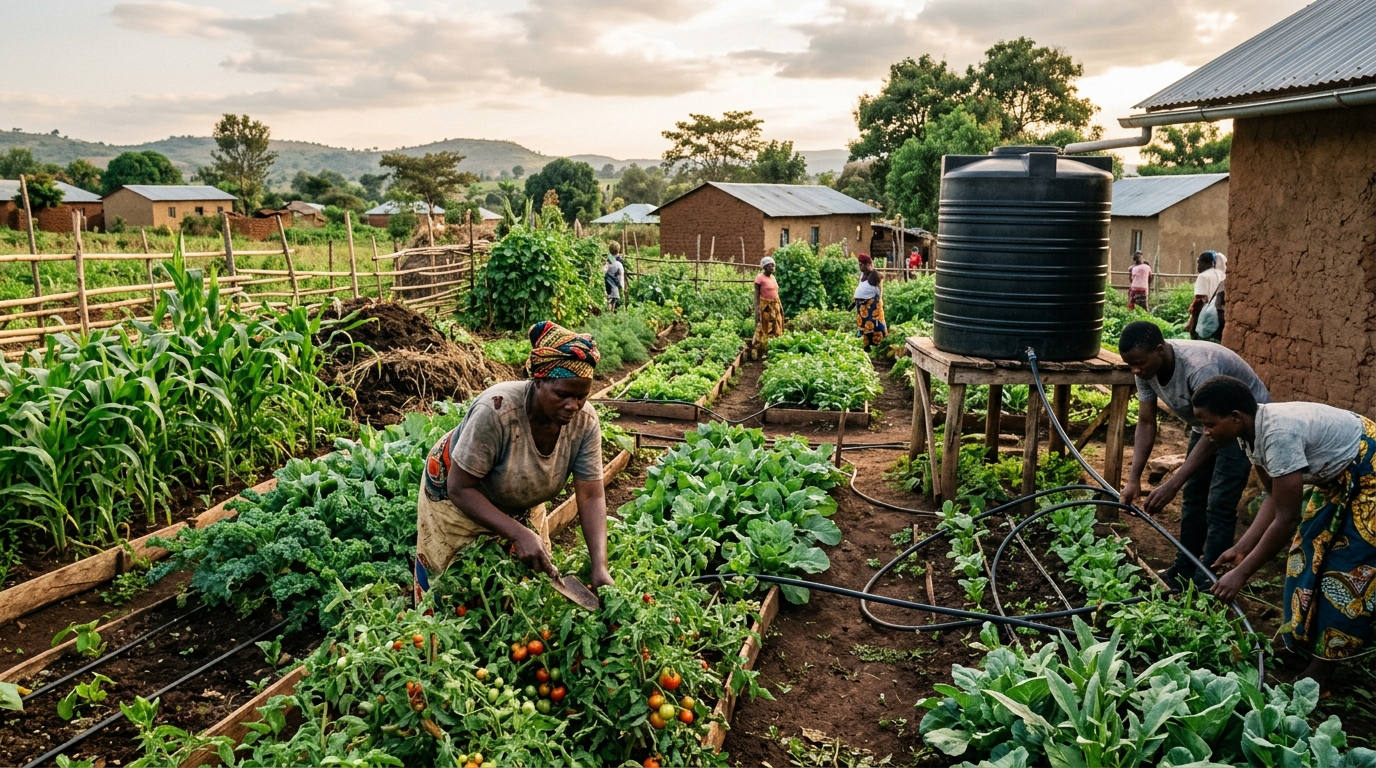
Text analysis conducted using artificial intelligence reveals that 55.1% of the countries studied—87 nations—never explicitly mention the term “Sustainable Development Goals” in their climate action plans. However, these countries are not ignoring these issues on the ground.

In fact, these governments incorporate these development goals indirectly by including them in sections dedicated to adaptation, resilience, agriculture, public health, or social protection—without using the official UN terminology.

The data also highlights a clear economic divide. While the wealthiest countries focus the bulk of their efforts on mitigation and the outright reduction of CO2 emissions, nations in the Global South prioritize urgent social issues such as the fight against poverty and hunger in their plans. Paradoxically, the countries most exposed to extreme climate risks are the ones that most closely link sustainable development to their environmental commitments.

Theoretical commitments versus on-the-ground realities

Commitments made at the international level have concrete and immediate repercussions on citizens’ daily lives. Their practical implementation requires the construction of major infrastructure, the development of modern power grids, resilient roads, and clean technologies.

At the same time, governments must protect fragile ecosystems, such as water resources threatened by drought, declining fishing grounds, and vulnerable rural communities. A transition carried out too rigidly or disconnected from social realities risks exacerbating existing inequalities and marginalizing the most vulnerable populations.

To avoid this pitfall, certain regions are leading the way. The study specifically cites the example of a public policy implemented in the Caribbean: this policy combines targeted investments in adaptation to hurricanes and floods with a social insurance system designed to provide financial protection for low-income workers in the event of a natural disaster. This model demonstrates that environmental action and social protection can advance hand in hand without undermining one another.

Innovative Financial Tools to Reconcile Debt and the Environment
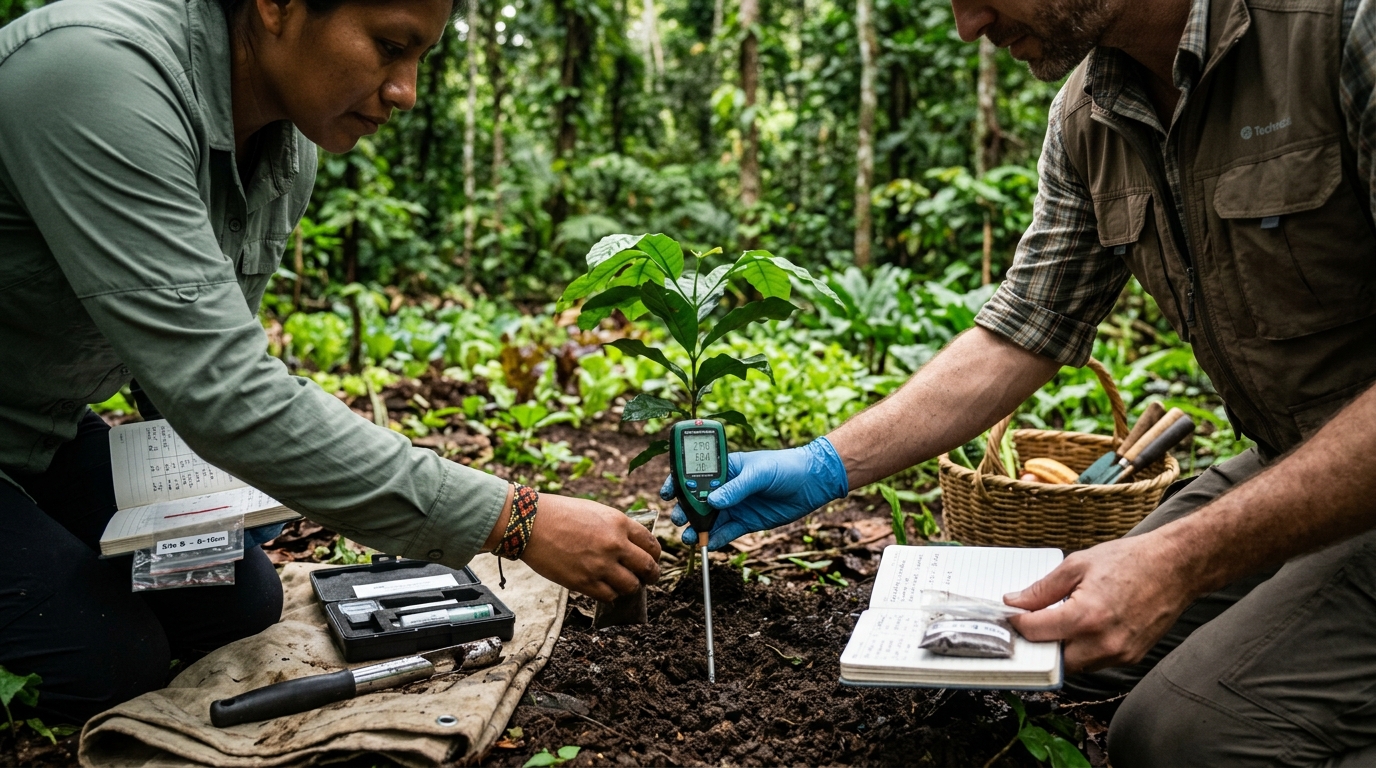
This scientific research offers concrete avenues for reforming the architecture of global climate finance. Many low- and middle-income countries face a dual crisis: extreme vulnerability to climate change and suffocating sovereign debt that limits their fiscal flexibility.

By mapping areas of natural convergence between climate goals and development priorities, the study proposes innovative financial mechanisms. “For example, forest conservation and biodiversity protection frequently appear alongside agricultural development goals, particularly in sub-Saharan Africa,” notes Francesca Larosa.

“Such links suggest that instruments such as debt-for-nature swaps could help address environmental, climate, and financial challenges simultaneously,” the researcher continues. Across all the national contributions analyzed by the team, positive synergies between climate action and development far outweigh points of tension, offering policymakers valuable scope to design policies with multiple benefits.

Climate Geopolitics and Artificial Intelligence as a Watchdog

Beyond purely economic considerations, the study shows that climate commitments are closely linked to the geopolitical context. Countries facing armed conflict, political instability, or failing institutions have significantly weaker climate action plans, underscoring the fundamental role of governance and peace in the success of the ecological transition.

Despite a polarized global context, Francesca Larosa sees an opportunity for dialogue: “In an era of growing geopolitical tensions, climate policy could serve as a platform for renewed international cooperation. Shared climate risks and common development challenges can create opportunities for new alliances that transcend traditional political divides.”

This research also illustrates the potential of artificial intelligence applied to public policy. By enabling the standardized processing of hundreds of dense regulatory texts, this automated analysis model provides a valuable monitoring tool for the IPCC and the UNFCCC, just as countries are required to review their commitments. The full study is published in the leading scientific journal Nature Communications.

Source: earth.com

Climate action does not hinder economic growth, according to a CMCC study based on artificial intelligence

facebook icon twitter icon linkedin icon
Copied!

Comments

0 0 votes
Article Rating
Subscribe
Notify of
guest
0 Comments
Newest
Oldest Most Voted
More Content