

The Earth’s Lungs Face an Invisible Drought
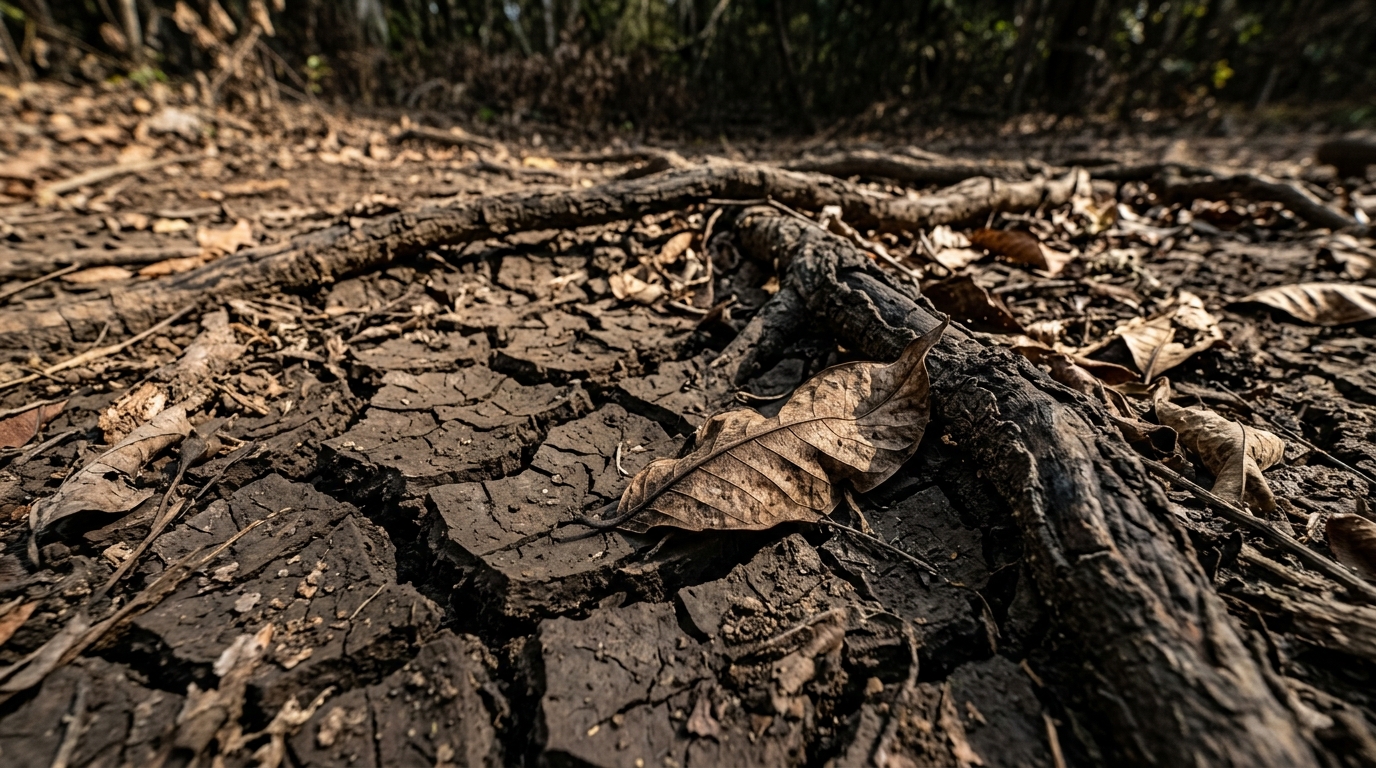
A phenomenon that is unusual to say the least occurred beneath the surface of the Amazon rainforest during the worst drought in living memory. According to a report by Andrei Ionescu published on April 7, 2026, for Earth.com, the soil in this region—which normally functions as a natural sponge capable of absorbing isoprene, a gas produced by plants—has almost completely ceased to fulfill its role as an environmental regulator.
New scientific research reveals that the soil’s capacity to capture this volatile organic compound has plummeted to about one-quarter of its normal level. This major dysfunction occurred as soon as the combination of extreme drought and abnormally high temperatures pushed the Amazonian ecosystem to its most critical limits.
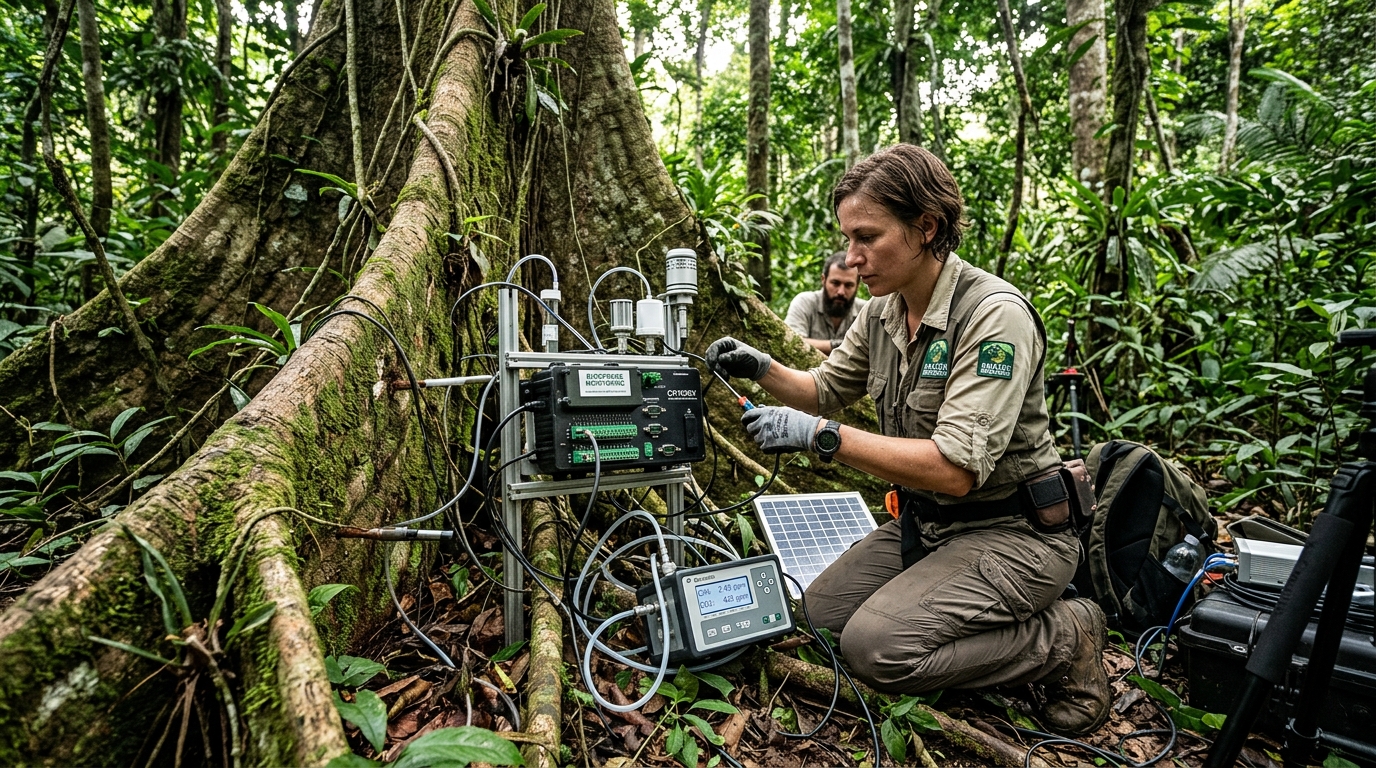
This profound biological change has major ecological repercussions that extend far beyond the rainforest’s borders. The study, led by scientists at the renowned Max Planck Institute for Chemistry in Mainz, drew on field measurements spanning several seasons, including the historic dry season of 2023 caused by a powerful El Niño event.
Isoprene, the plant gas with global effects
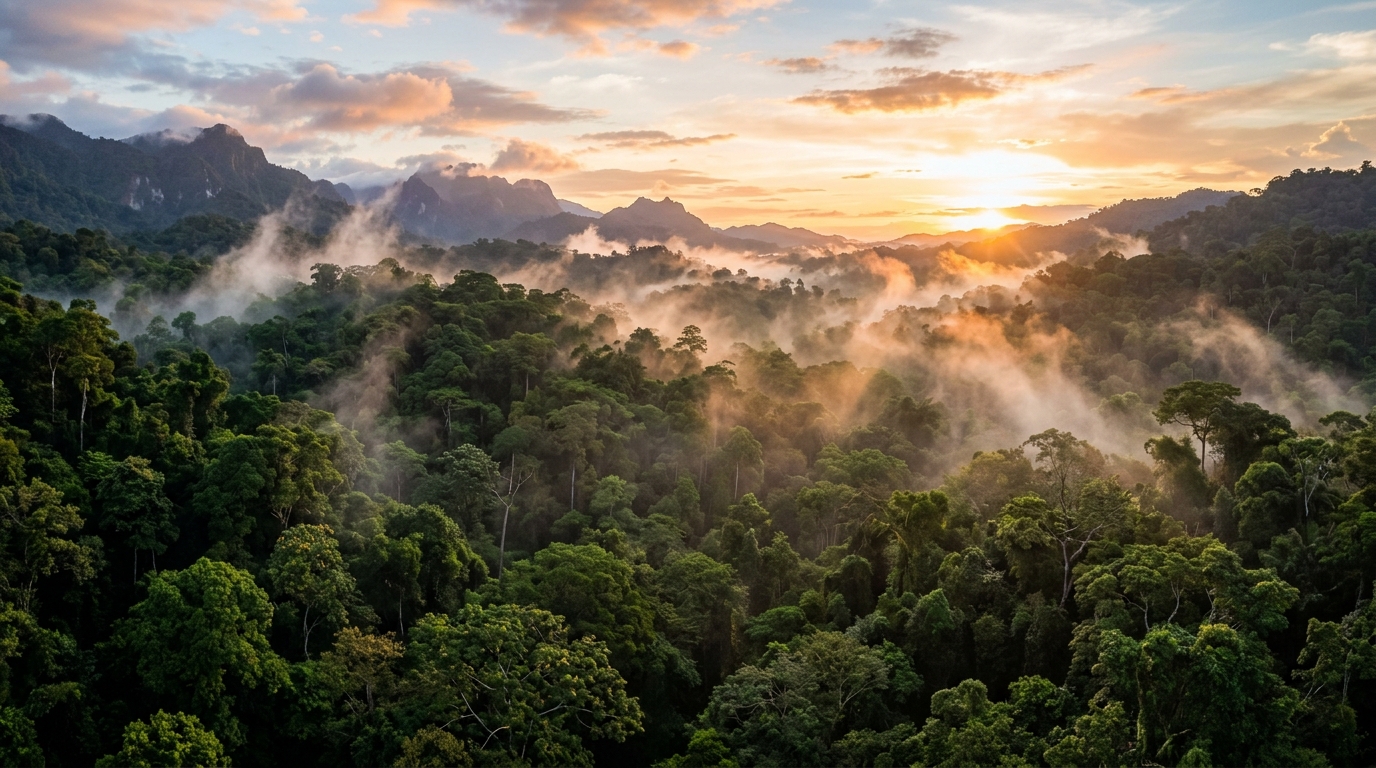
Naturally produced by vegetation, isoprene is released in colossal quantities by the world’s tropical forests, which emit more than 500 megatons of it each year. The Amazon is among the primary sources of this gas on a global scale. Under normal conditions, the soil plays an essential regulatory role by absorbing some of these emissions to stabilize their concentration in the air.
Once released, isoprene reacts rapidly with other elements. It is primarily broken down by hydroxyl radicals—which act as the main chemical cleaning agent in our atmosphere—as well as by ozone to a lesser extent. Variations in this gas directly influence the lifetimes of other potent greenhouse gases, such as methane, and accelerate the formation of secondary organic aerosols.
Microbes at a Tipping Point Below 20% Humidity
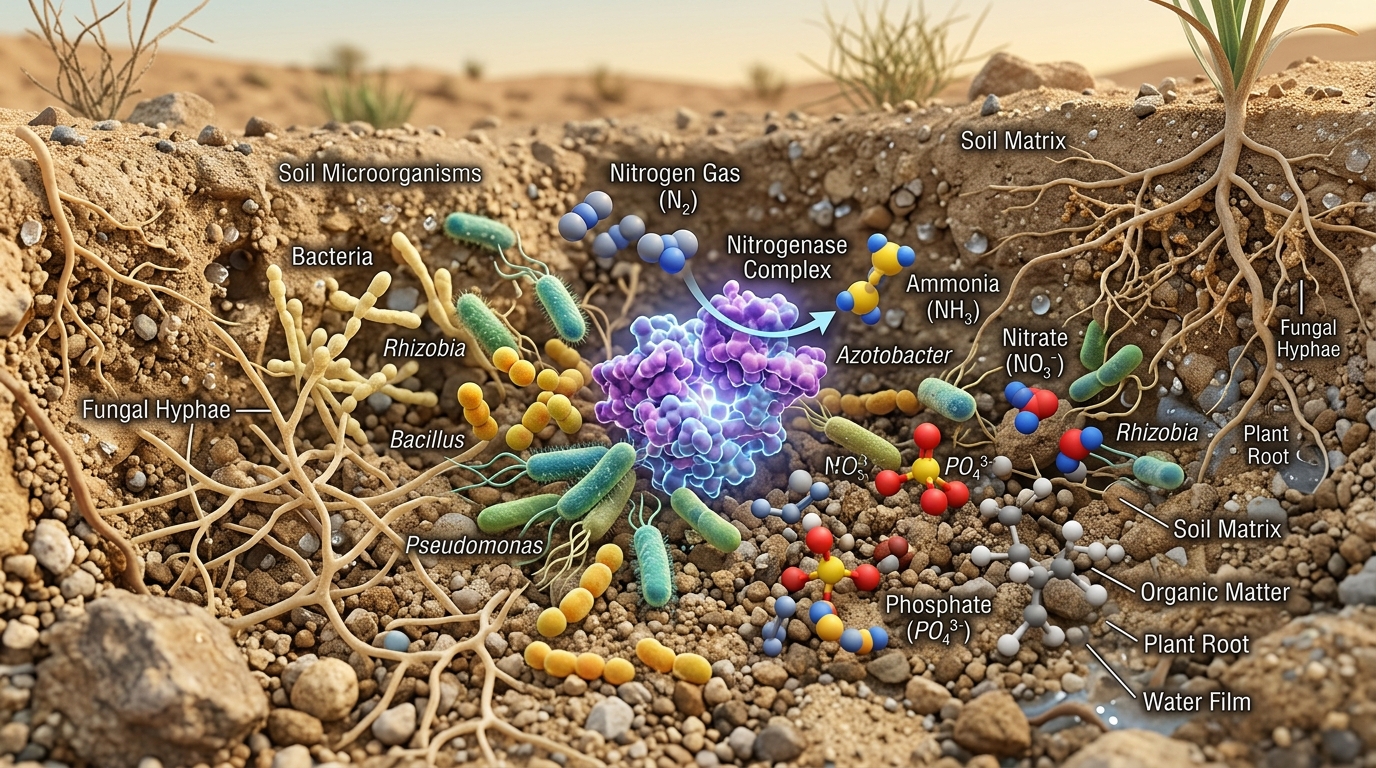
The scientist elaborates on this unequivocal finding: “Our results show that during the extreme weather conditions caused by the 2023 El Niño, soil uptake of isoprene suddenly became insensitive to increases in ambient isoprene concentrations.” He also notes that “the results are consistent with a physiological constraint on soil microbes that degrade isoprene when soil moisture falls below 20 percent.”
The dual effect of a forest in survival mode
This saturation phenomenon is not entirely unknown to biologists. Previous experiments conducted in artificial tropical forests had already analyzed the soil’s response to cycles of drought and re-wetting. In these simulations, as soon as soil moisture levels fell below 19%, the soil stopped absorbing volatile organic compounds (VOCs) and instead became a net source of emissions of these compounds.
Incorporating the Secrets of the Soil into Climate Models

This discovery highlights a climate feedback loop that had previously been underestimated. Increased concentrations of isoprene in the air reduce the atmosphere’s oxidizing capacity, which prolongs the lifetime of methane and exacerbates global warming, thereby creating an additional climate cost on top of the physical drought itself.
For the authors of the study—whose full paper is available in the scientific journal Nature Communications Earth & Environment—it is becoming urgent that global climate models stop treating soil uptake of isoprene as a fixed or negligible variable.
Source: earth.com
How the Historic Drought in the Amazon Is Disrupting the Chemistry of Our Atmosphere


