

An Unexpected Breakthrough in the Fight Against Alzheimer’s Disease

Brazilian researchers have documented the exceptional case of a patient with advanced Alzheimer’s disease who made a dramatic recovery of her cognitive and motor functions. In her eighties, this woman had been able to communicate only in simple monosyllables for the past five years. A single dose of psilocybin, the active compound in hallucinogenic mushrooms, radically altered her condition within a few hours, enabling her to converse again.
The Cruz de Ankh Association’s experimental protocol
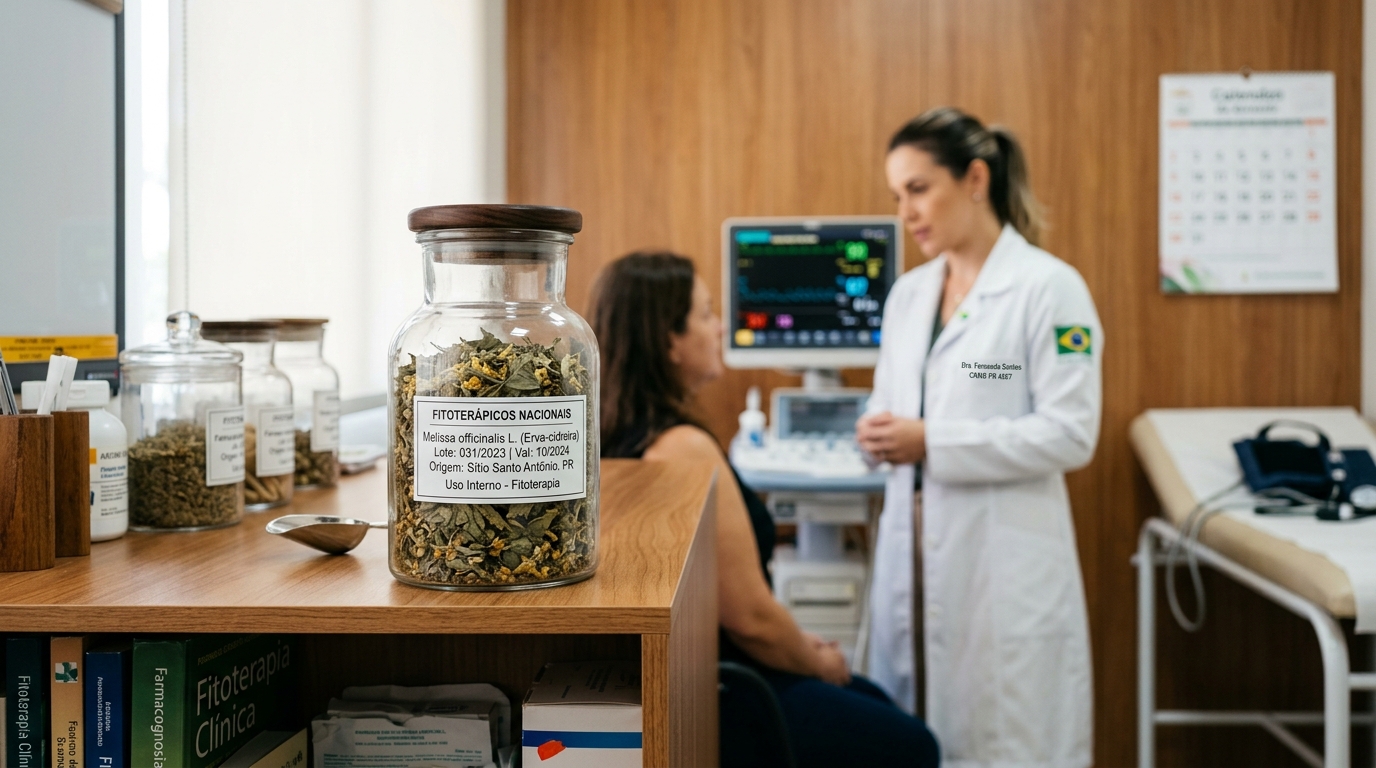
The patient had been living with Alzheimer’s disease for about a decade, requiring constant supervision from her family and ongoing assistance from caregivers. Before the experiment, her condition had severely deteriorated: she had lost bladder control, could no longer walk without assistance, and struggled to swallow. Her face had become completely expressionless, and she no longer showed any emotional connection with those around her. It was against this backdrop that the team led by Dr. Marcos Lago, practicing at the private Associação Cruz de Ankh clinic in São Paulo, Brazil, attempted an unprecedented approach.
The practitioners administered a single oral dose of 5 grams of dried mushrooms of the Enigma variety to the elderly woman. Such a quantity represents a particularly high dose compared to current standards in clinical trials, which generally favor low doses of purified psilocybin. The study’s authors deliberately made this choice based on previous observations suggesting that higher doses produce deeper and more lasting effects in treated subjects.
A Dramatic Awakening and the Return of Physical Autonomy
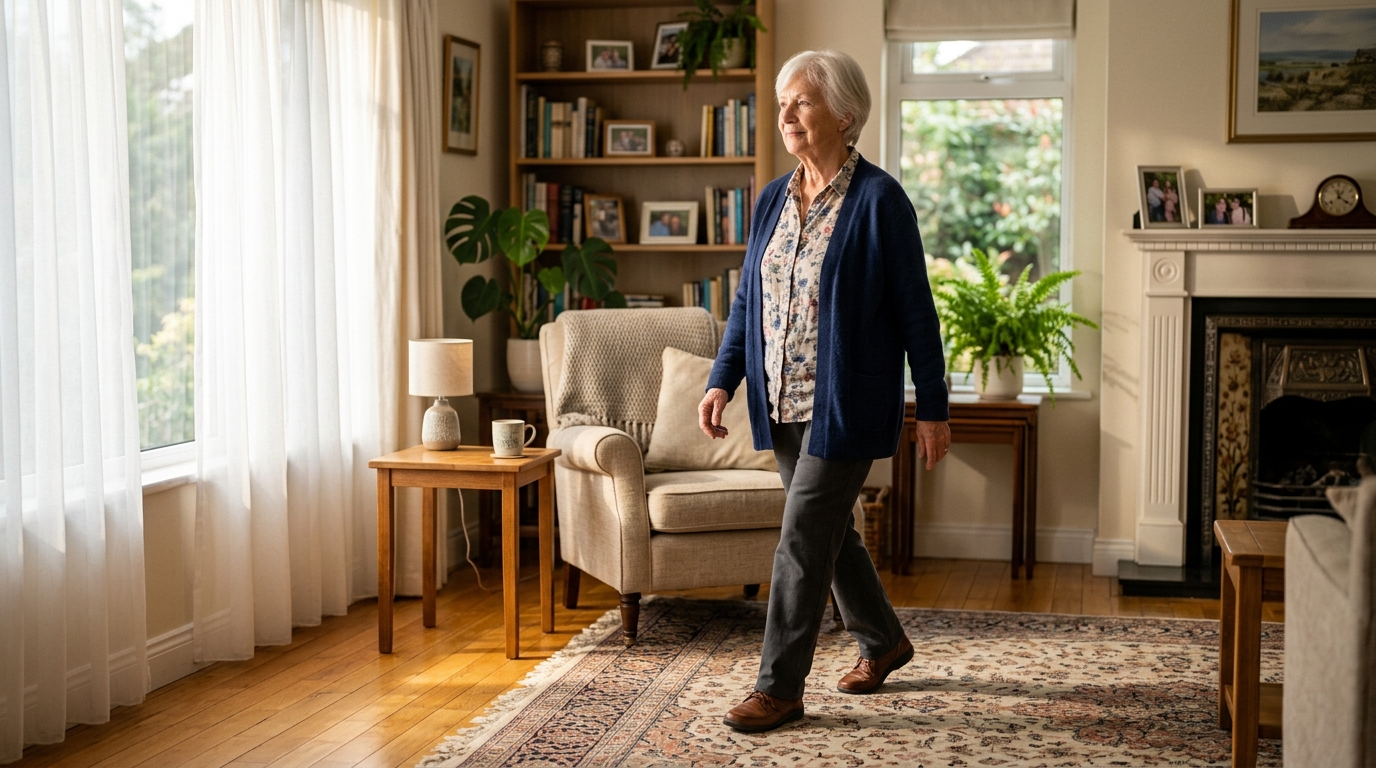
By the end of the first week, her short-term memory had also begun to return. The patient asked about a loved one’s departure, correctly identified surrounding vehicles, maintained sustained eye contact, and smiled again at those around her. These dramatic changes marked a sharp break from the apathy in which she had been immersed for years.
Lasting Effects and a Promising Second Session
One month after this initial experience, as the observed progress continued, the Brazilian medical team organized a second supervised session, this time using a reduced dose of 3 grams. During this new session, the patient was even more communicative, spontaneously joking with those around her and demonstrating increased motor agility. In particular, she described with precision and joy an imaginary scene in which she was surfing with her son on a peaceful island. During her follow-up evaluation, she shared her own feelings, stating, “It’s nice to come here.”
Limitations of the observation and future research directions

Despite the spectacular nature of this development, the study’s authors emphasize that this is a unique and isolated case. The absence of brain imaging, laboratory analyses, or standardized memory tests during the process prevents a precise quantification of the internal changes that occurred in the patient’s brain. Nor can the researchers rule out the possibility that some of these improvements stem from natural fluctuations inherent to the progression of the disease, although the magnitude of the change remains unprecedented at this stage of the disease.
The hypothesis that psychedelics might slow or alleviate the symptoms of Alzheimer’s disease is not entirely new. Several years ago, a scientific review published in the journal Frontiers in Synaptic Neuroscience already argued that psilocybin’s ability to stimulate brain plasticity could theoretically preserve regions of the brain damaged by dementia. This case study provides the very first concrete evidence of this phenomenon in a human who has reached a very advanced stage of the disease.
This clinical observation opens a crucial window of opportunity for scientific research. While this is by no means a cure for Alzheimer’s disease—since the physical damage to the brain remains—it demonstrates that unsuspected cognitive and motor abilities may lie dormant in patients and can be temporarily reactivated under certain conditions. Rigorous, controlled clinical trials will be essential to determine whether these results can be safely replicated on a large scale in other patients. For any medical questions, consult a qualified healthcare professional.
Source: earth.com
Advanced Alzheimer’s: A Patient Regains the Ability to Speak and Her Independence After a Dose of Psilocybin


