

Mysterious Outbreak of Illness Among Grand Canyon Visitors
Matthew Wappett’s Ordeal on the Colorado River

In a post shared in the Grand Canyon Private Boaters Facebook group, Matthew Wappett described particularly distressing symptoms: “Three days after I got home, I was in the emergency room with a swollen knee, a fever, and excruciating joint pain. The doctors suspected a staph infection in my knee and put me on intravenous and oral antibiotics, although they never obtained a positive culture for staph, even after a knee aspiration and blood cultures.”
Despite this intensive treatment, the patient found no lasting relief. He said it felt like he’d been dragging out the flu for an entire month. "Although the massive dose of antibiotics reduced the swelling in my knee—which was eventually diagnosed as cellulitis—I continued to have a fever, severe bone and joint pain, and I was just diagnosed with pneumonia this week," he added. "Basically, I’ve been feeling absolutely terrible since I got home… and no, it’s not just the post-trip blues."
A worrying outbreak among rafting enthusiasts

While chatting in this private user group, Matthew Wappett realized he wasn’t an isolated case. At least five other people who had gone rafting in the canyon reported suffering from similar symptoms following their trip. This cluster of cases quickly caught the attention of health authorities.
The initial symptoms in this group were compared and reported on July 1, 2026. They included fever, chills, fatigue, weakness, and muscle aches that progressed to severe muscle pain. The surveillance agency also noted that one person briefly lost consciousness in their doctor’s office before being hospitalized. Some patients had “fluid in the lungs,” and one individual developed a raised rash or bruises on the shin.
Fungi, bacteria, or viruses: Scientists’ theories
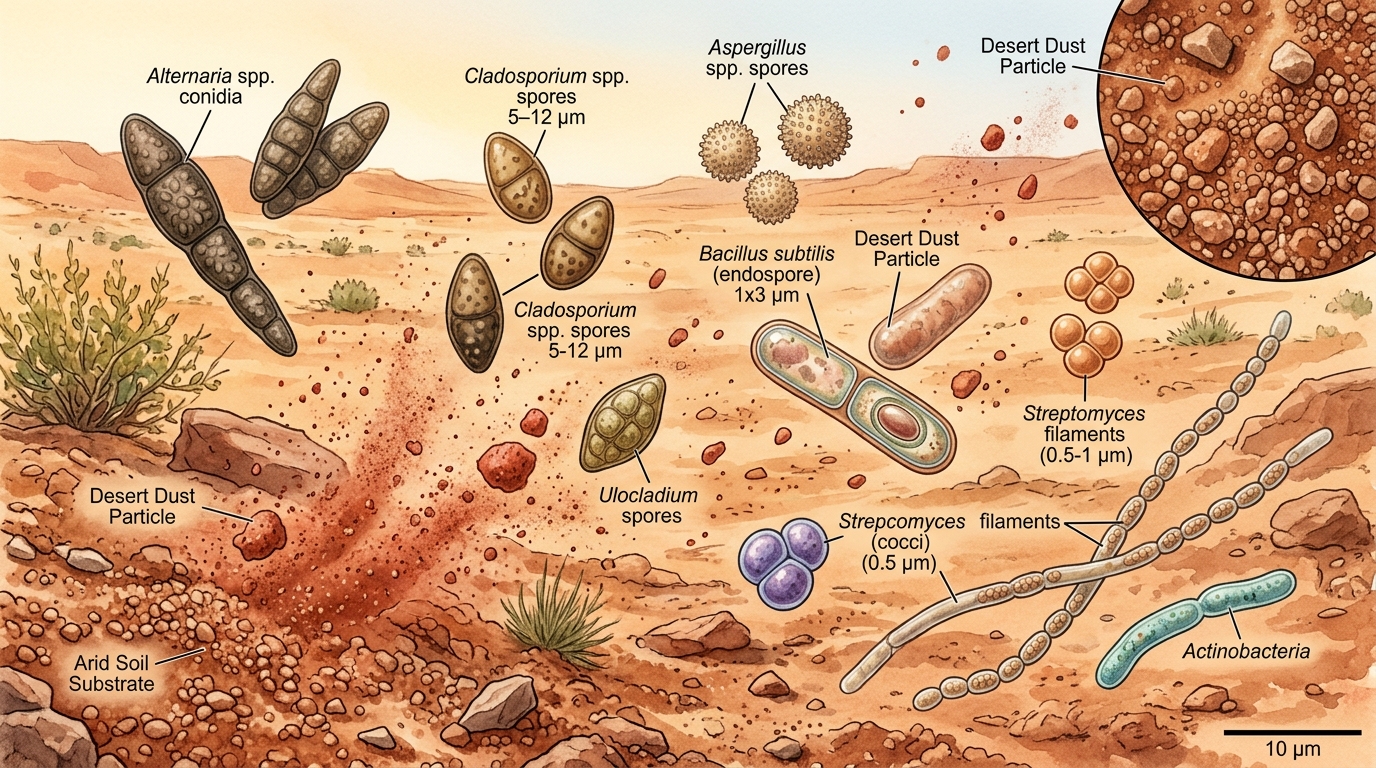
Although the disease has not yet been formally identified, scientists are exploring several serious possibilities. Among them is “valley fever,” a fungal infection contracted by inhaling microscopic spores present in the soil, which can cause symptoms similar to those of pneumonia and thus be misdiagnosed as such.
According to analyses published by BEACON experts, “the spatiotemporal clustering of cases within two independent travel groups using the same river corridor over a five-week window (May–June 2026) strongly suggests a shared environmental or vector-borne source of exposure.” The absence of gastrointestinal symptoms and the predominance of musculoskeletal, pulmonary, and febrile manifestations point the differential diagnosis toward zoonotic, vector-borne, or inhalation-acquired pathogens endemic to the canyon environment.
The National Park Service is continuing its investigation
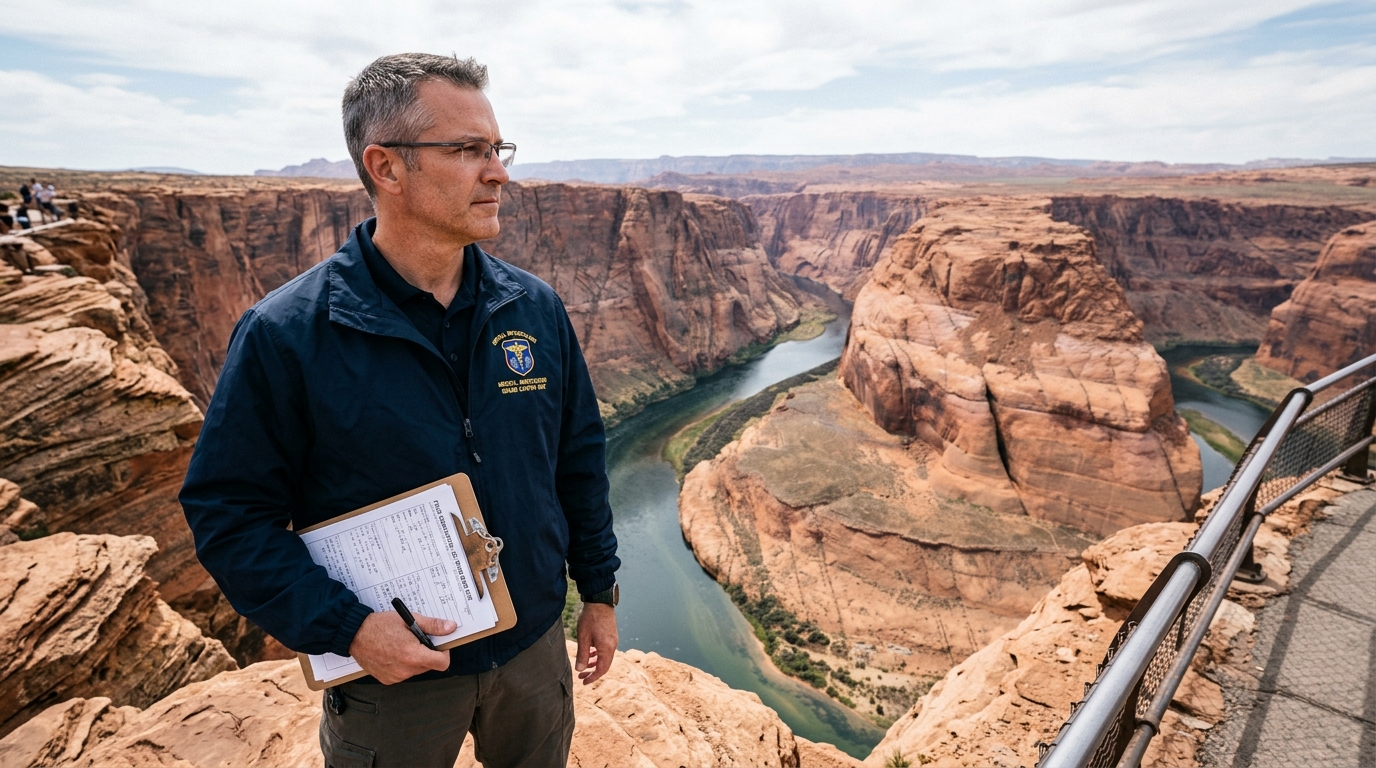
In light of this situation, the National Park Service remains cautious and is refusing, for the time being, to draw any hasty conclusions. The federal agency told Paddling Magazine: “At this time, the investigation is ongoing, and we are unable to comment on the extent of the illnesses, potential diagnoses, or other details while the investigation continues. We will share additional information with the public as soon as it becomes available.”
Source: iflscience.com
Grand Canyon: Federal Investigation into a Mysterious Series of Illnesses Among Visitors


