

A mouse discovered at an altitude of 7,000 meters is redefining the limits of mammalian survival


A Survival Limit Pushed to the Extreme
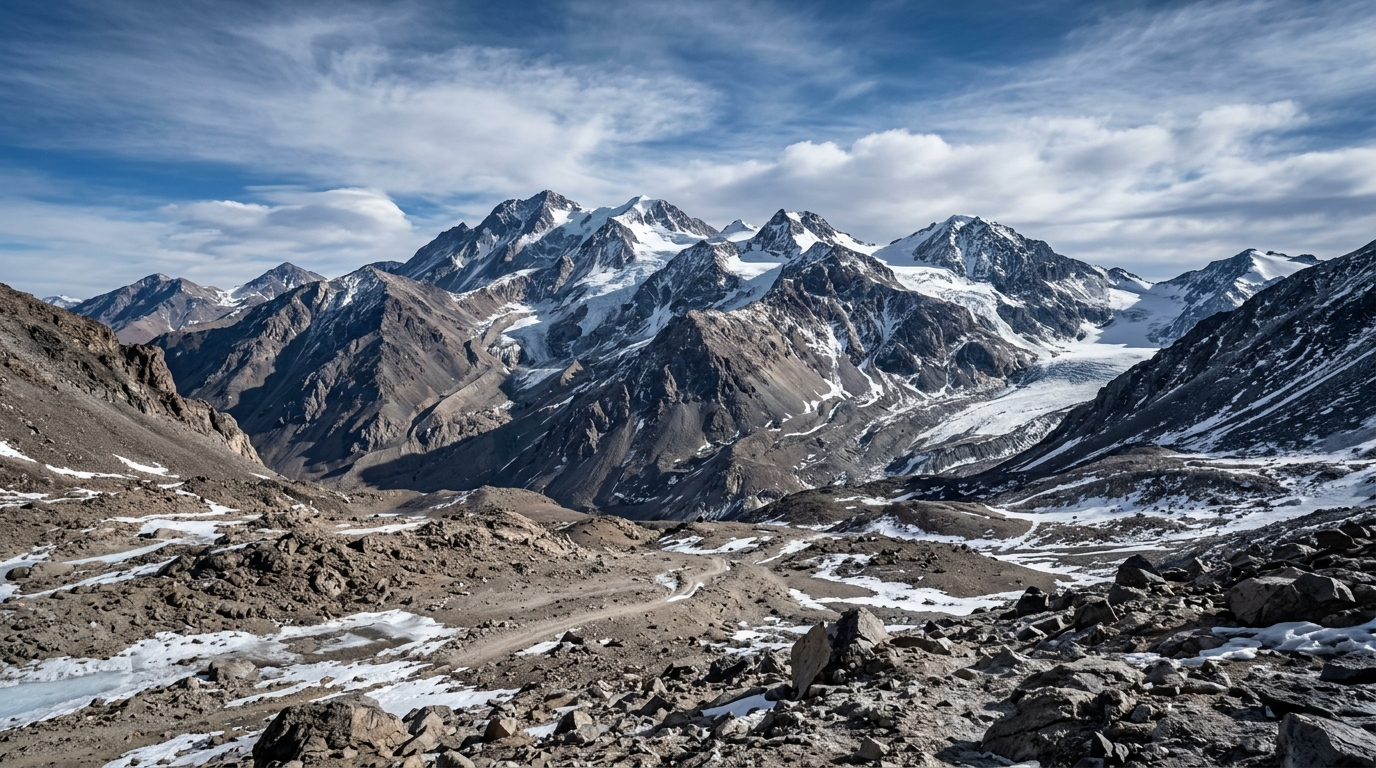
“It was completely unexpected. People didn’t think mammals could survive at these altitudes, but there they are,” explains Graham Scott, a professor in the Department of Biology at McMaster University and co-author of the study. This unexpected presence challenges many theories about the physiological resilience of warm-blooded animals.
The Harsh Conditions of the Andean Peaks
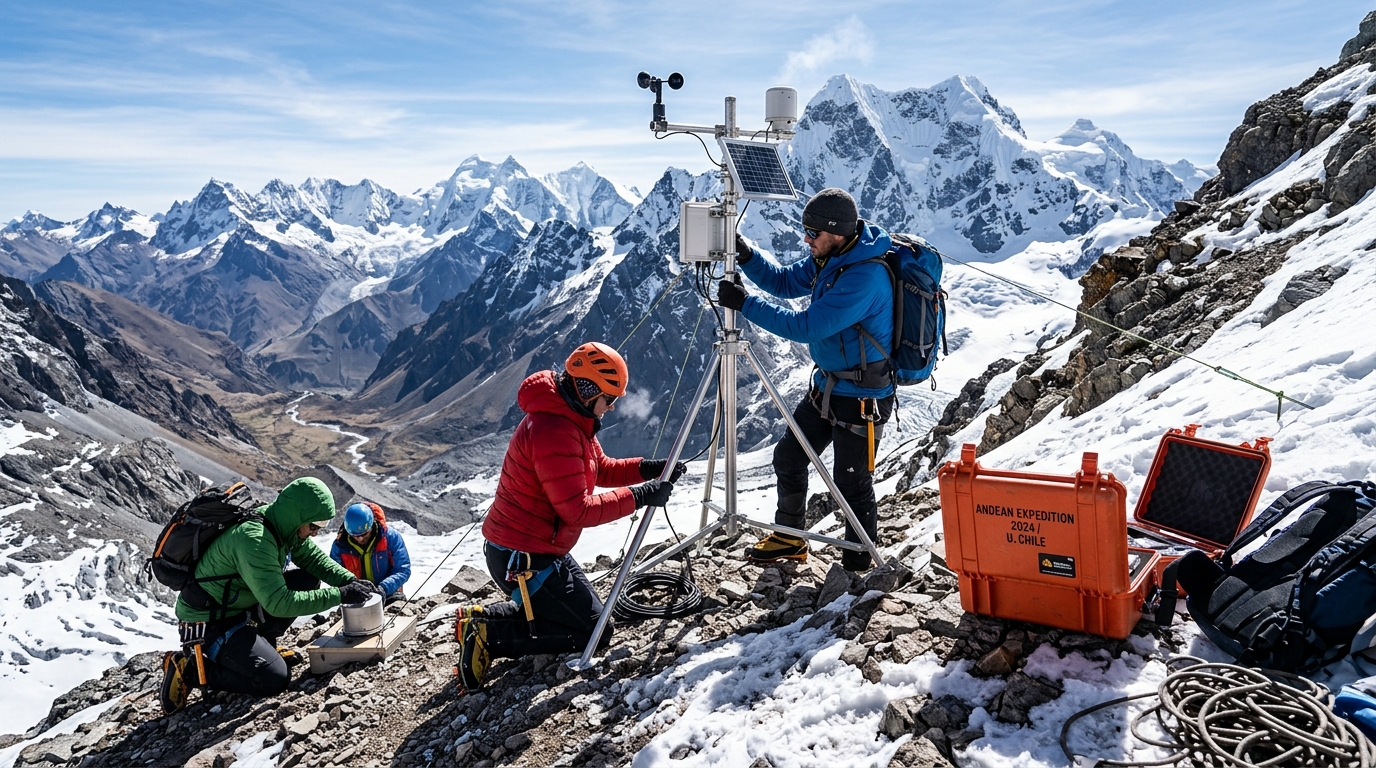
To uncover the secrets behind these animals’ resilience to such conditions, Graham Scott and his colleague Grant McClelland joined an international research team. They traveled to Chile to study these specimens directly in their natural habitat and compare them to other individuals of the same species living on plains and at much lower altitudes.
The results of their research, published in the prestigious scientific journal Science, reveal that this extraordinary survival is not based on a single mutation. Rather, it involves a set of coordinated changes across several biological systems within the mouse’s body.
Muscles Designed for Endurance and Cold
"Evolution is a complex process," says Grant McClelland, co-author of the study and a professor in the Department of Biology. "When animals encounter truly harsh environments, they have to deal with many different things, not just the most obvious ones." To survive, these high-altitude mice have undergone a transformation from within.
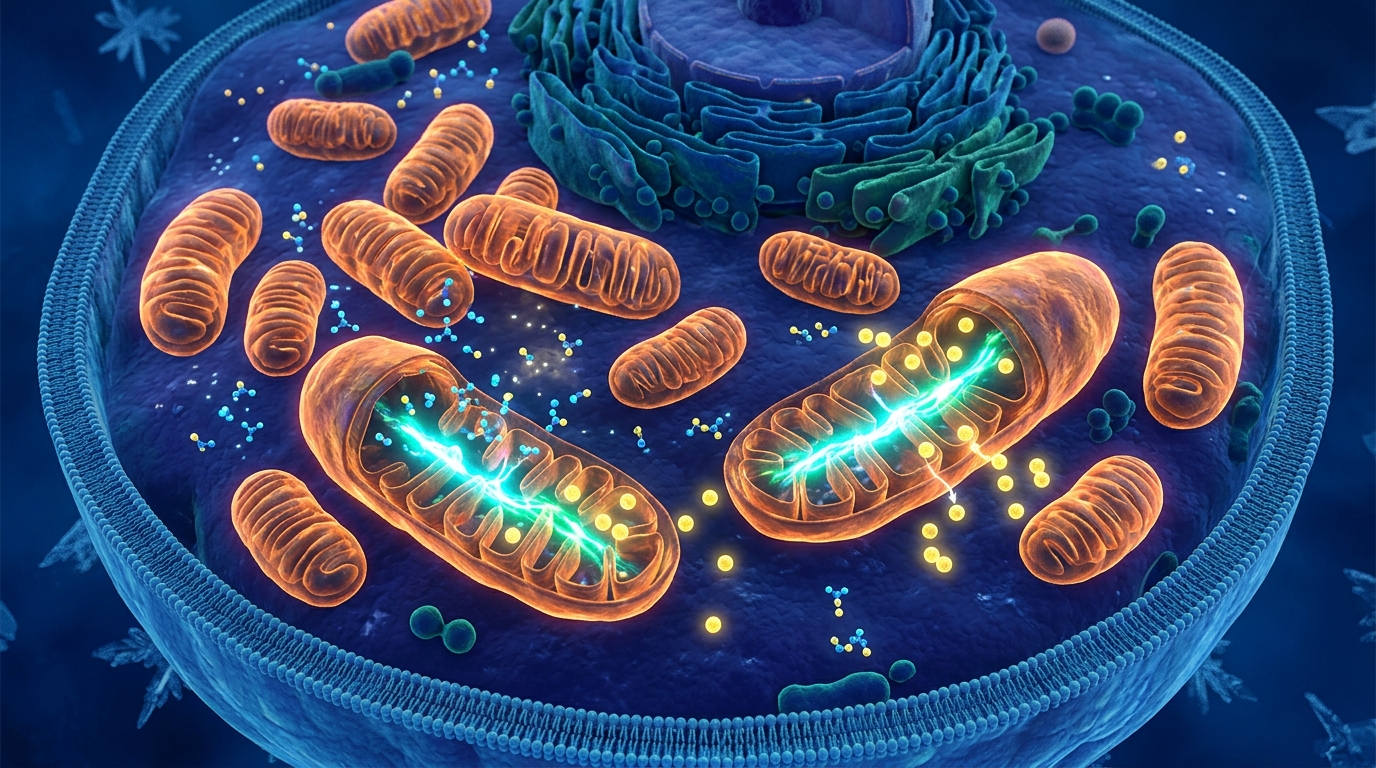
"They’re more like marathon runners than sprinters," explains Graham Scott. "Their muscle cells are packed with mitochondria, which allow them to sustain heat-producing activity for longer periods." This increased mitochondrial density ensures a continuous energy supply, which is essential for combating hypothermia.
Finding Food in the Middle of a Rocky Wasteland
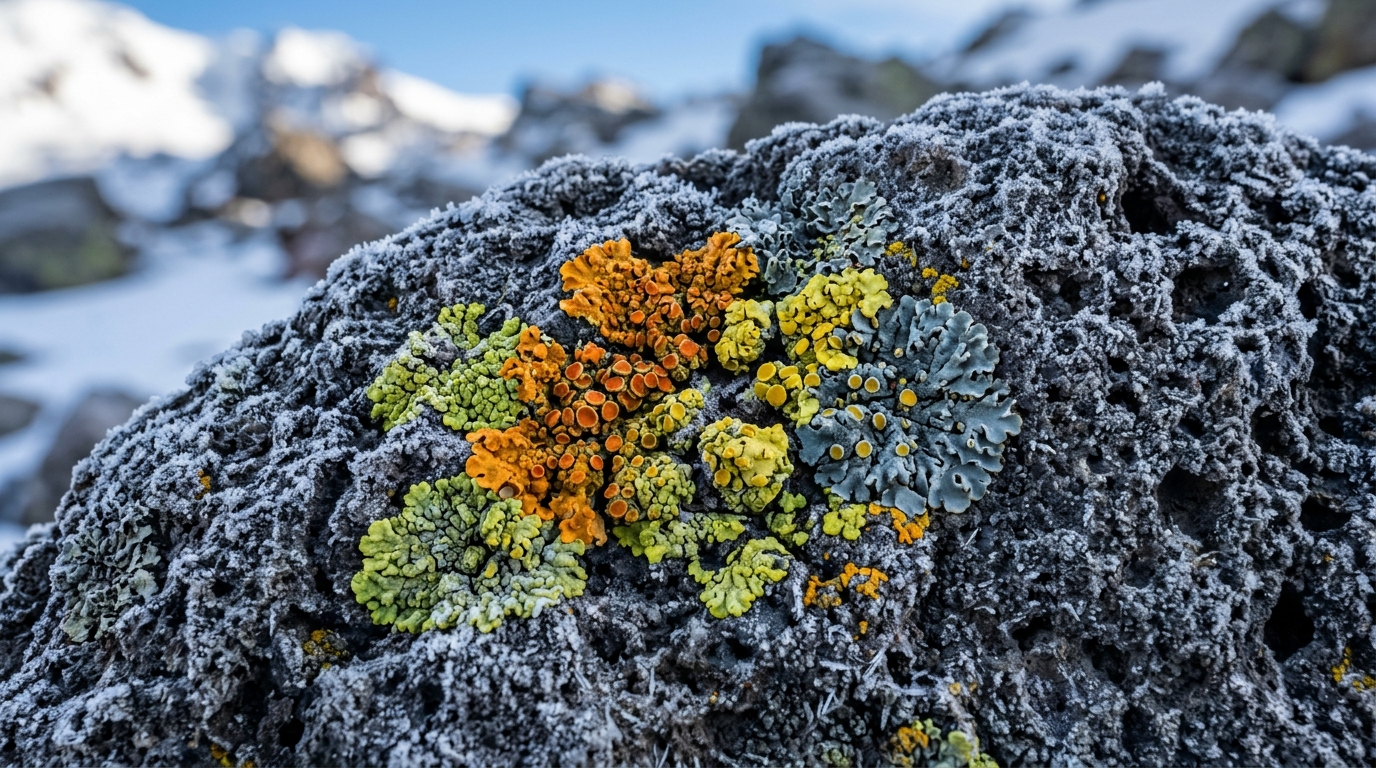
Mice living on Andean peaks feed on resources that are as unusual as they are unpredictable. They consume lichens—symbiotic organisms that grow directly on bare rock—as well as seeds and small insects carried to the peaks by updrafts.
“At first, we were focusing on the most obvious environmental challenges, such as low oxygen and cold temperatures, but there were important factors we hadn’t anticipated, particularly how these animals process their food,” says Graham Scott.
A New Perspective on the Adaptability of Living Organisms
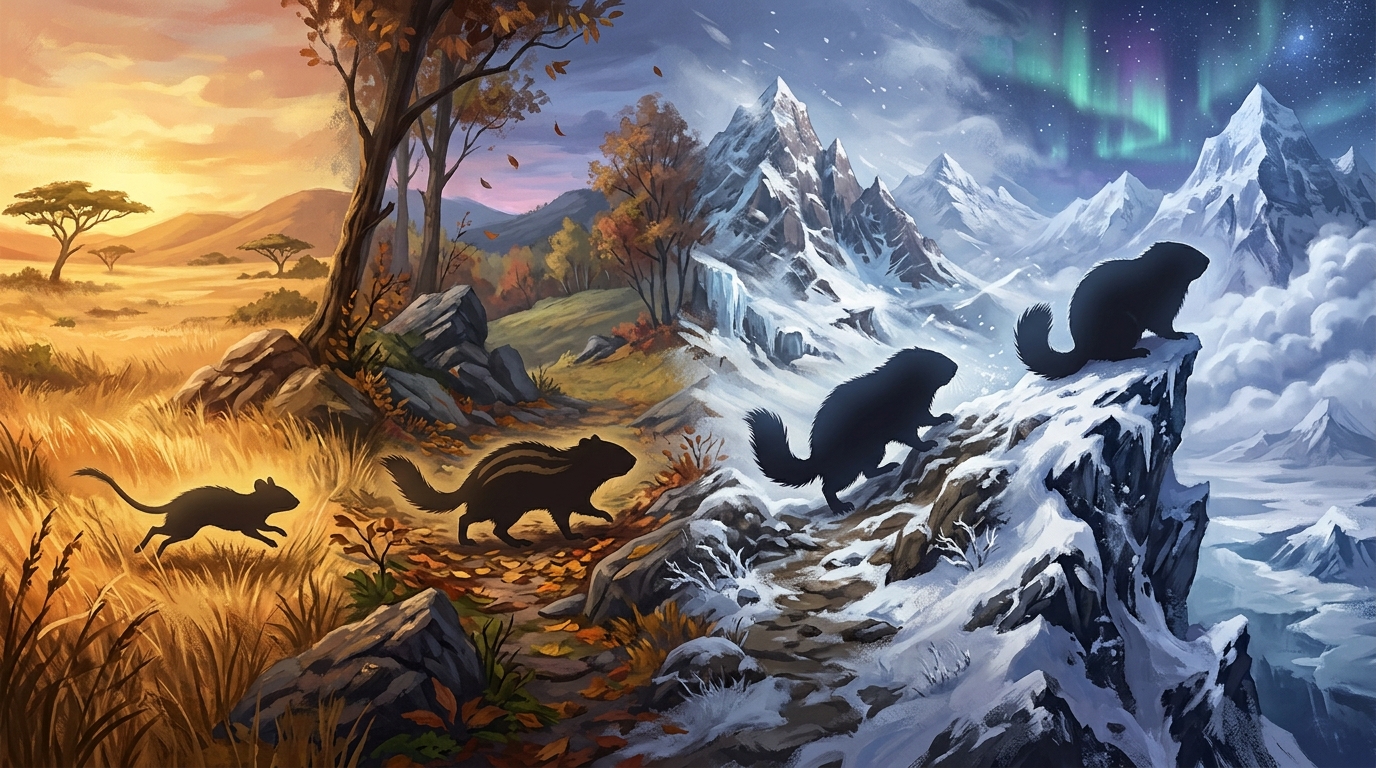
The scientific team’s observations paint a picture of biological evolution on multiple levels, where various physiological systems change in concert to overcome multiple, interdependent environmental pressures. These findings highlight the complexity of natural mechanisms and our still limited understanding of the limits of life.
"Sometimes, our assumptions about the most extreme environments in which animals can live may be challenged," says Grant McClelland. "Evolution has a lot of room to experiment." This biological flexibility could have major theoretical implications, particularly in analyzing how species adapt to global warming.
“We tend to focus on temperature as the main challenge,” Graham Scott notes in conclusion. “But animals face many pressures at once, and evolution can push them in directions we don’t always anticipate.” This research thus opens up new avenues for thinking about species’ resilience in the face of contemporary ecological upheavals.
Source: phys.org
A mouse discovered at an altitude of 7,000 meters is redefining the limits of mammalian survival
