Skip to content

The Obsession with Secrecy at the Heart of the East-West Confrontation
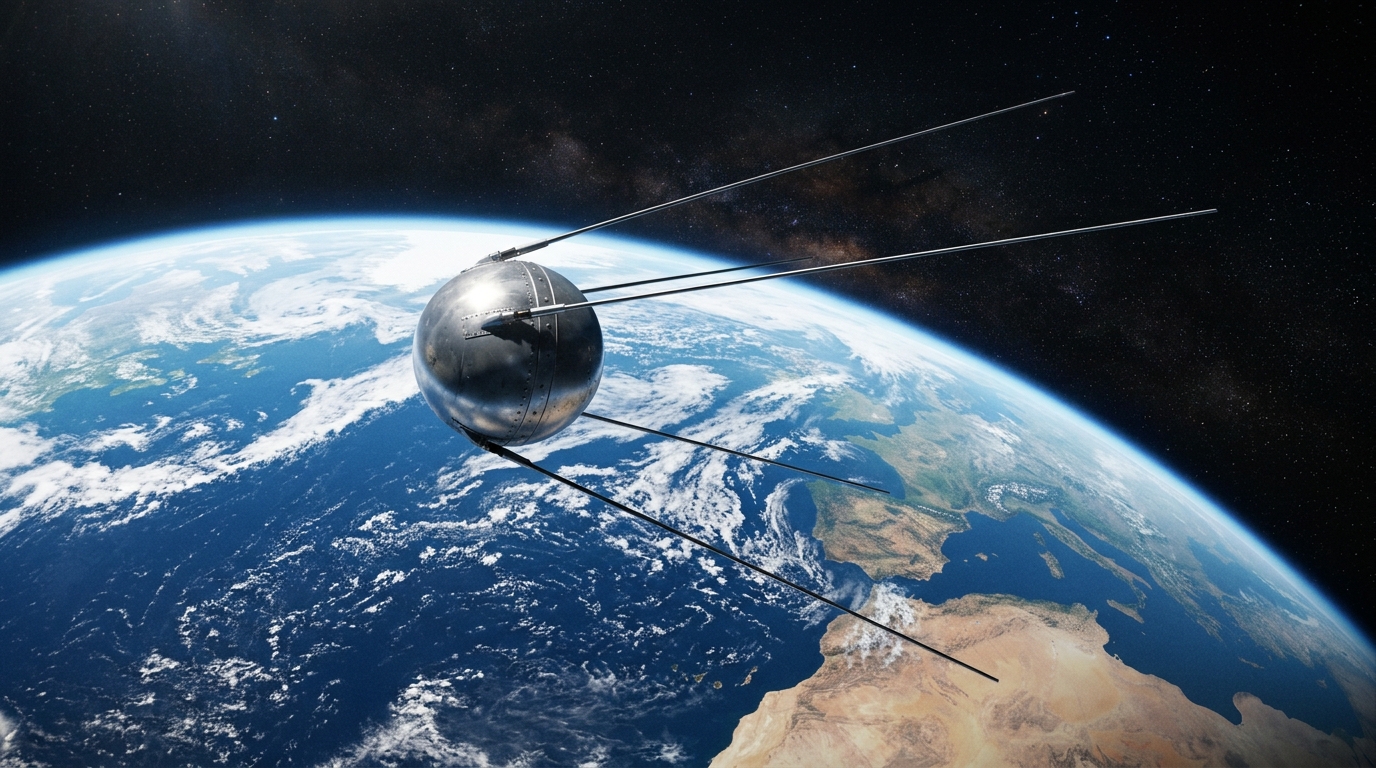
During the Cold War, the Soviet Union stood out for its extraordinary ability to conceal its most sensitive projects. This culture of absolute secrecy allowed Washington’s adversary to develop its first atomic bomb away from prying eyes, just as the historic launch of Sputnik in 1957 had taken the entire world by surprise. This lack of transparency was evident once again during the Chernobyl nuclear disaster in 1986, when it took the international community several days to realize the gravity of the situation.

Faced with this information blackout, the United States developed cutting-edge technologies to monitor its rival. Among these tools were high-altitude U-2 reconnaissance aircraft, specialized underwater vehicles designed to recover the wrecks of Soviet submarines, and pioneering programs such as Corona, the very first spy satellite observation system. Another key component of this system was strategically positioned at Shemya Air Force Station in the Aleutian Islands.

The North Pacific Sentinel and the Enforcement of Treaties
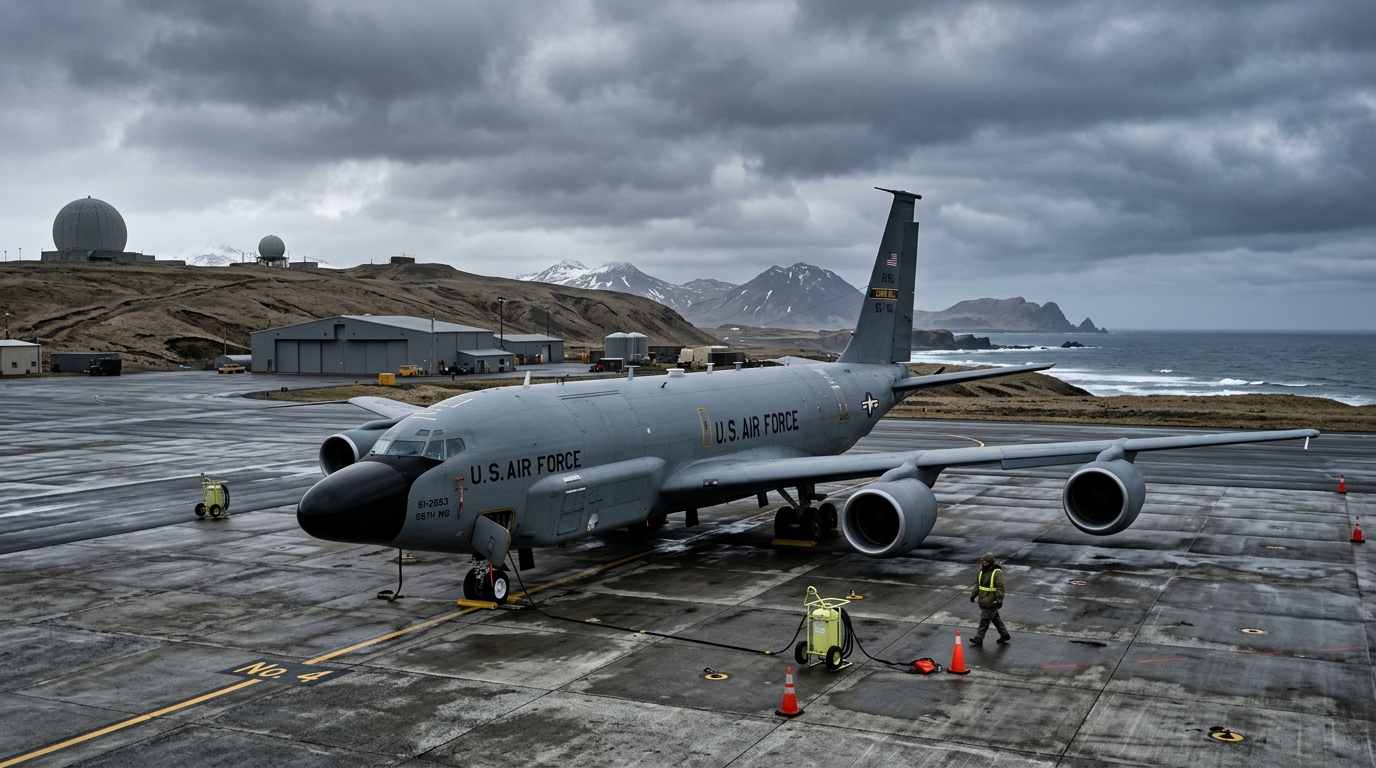
Operating from this remote base in the Aleutians was the Boeing RC-135S Cobra Ball, a heavily modified version of the C-135 Stratolifter transport aircraft. Equipped with a multitude of sophisticated optical and electronic sensors, this aircraft had a single objective: to track and analyze Soviet missile launches. It was aboard this highly specialized aircraft that U.S. Air Force pilot Robert Hopkins found himself on a memorable mission in the fall of 1988.

This sortie was part of a flight-destruction protocol provided for in the Intermediate-Range Nuclear Forces Treaty signed in 1987. This historic agreement authorized both superpowers to eliminate their now-banned arsenals by firing them toward predefined impact zones, as reported in a 2019 article by TWZ. On that day, the USSR was preparing to launch an SS-20 Saber intermediate-range ballistic missile, and the American crew was on hand to record its speed and telemetry data.

The appearance of the dome of light in the middle of the night
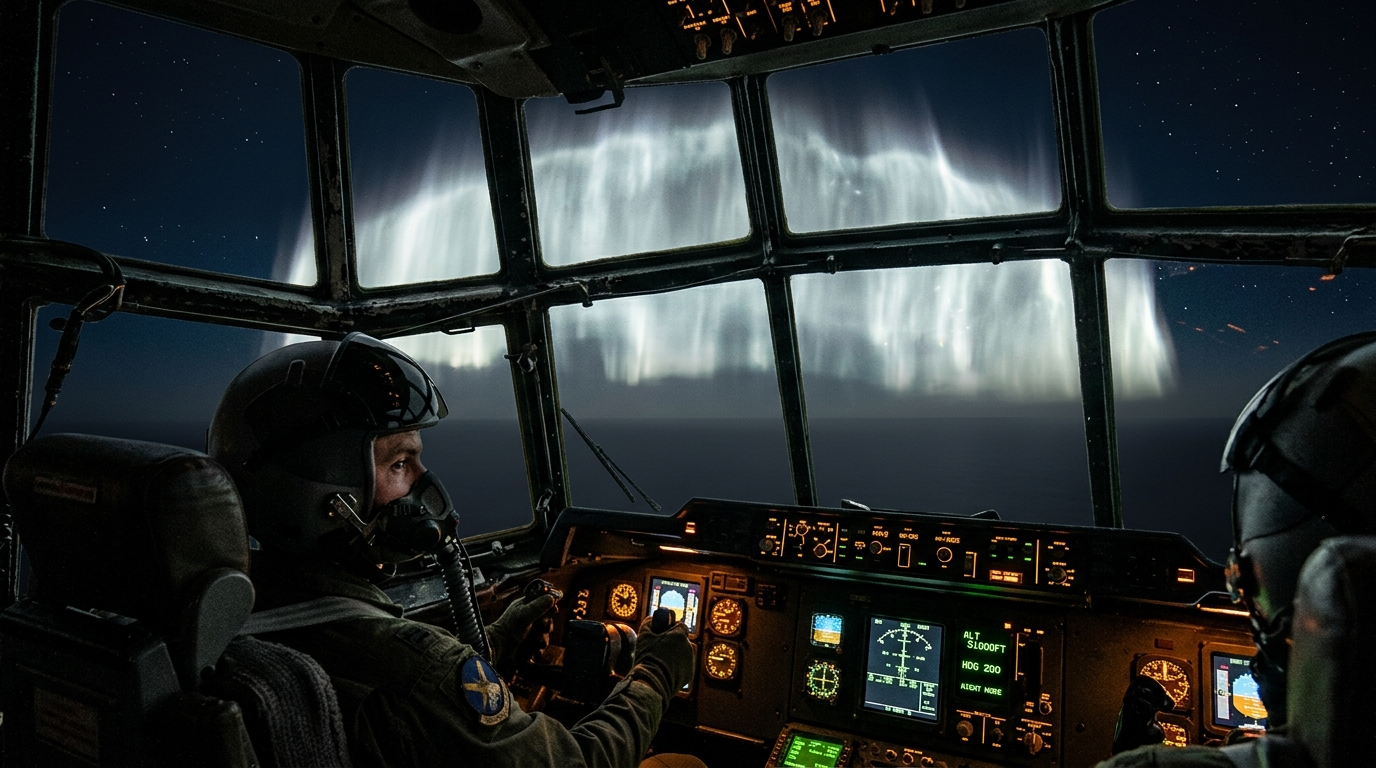
While the flight was proceeding as usual, Robert Hopkins and his co-pilot witnessed a completely unprecedented visual phenomenon firsthand. The pilot described this surprising sight in remarks reported by TWZ: “As we scanned the sky for other aircraft, we noticed what appeared to be a milky-white, translucent wall moving from the left—over the USSR—toward the right, in the direction of the North Pacific Ocean. It covered the entire sky, from ground level up to as high as our eyes could see through the front windows of the aircraft. It was moving very quickly—much faster than any commercial airliner in flight—and approached us at full speed. This wall of light crossed our flight path before continuing eastward, leaving behind a dark, empty night sky.”

This spectacular phenomenon was quickly dubbed the “Dome of Light” by flight crews. Robert Hopkins and his co-pilot observed this mysterious phenomenon only one other time during their careers, and that second occurrence took place once again immediately after the launch of an SS-20 missile.

At first, the two pilots thought they had been victims of a collective hallucination or an auroral phenomenon of an entirely new kind. However, this explanation did not convince scientists in the U.S. Air Force, who quickly sought other leads to unravel this mystery.

Scientific theories: from propulsion to atmospheric chemistry
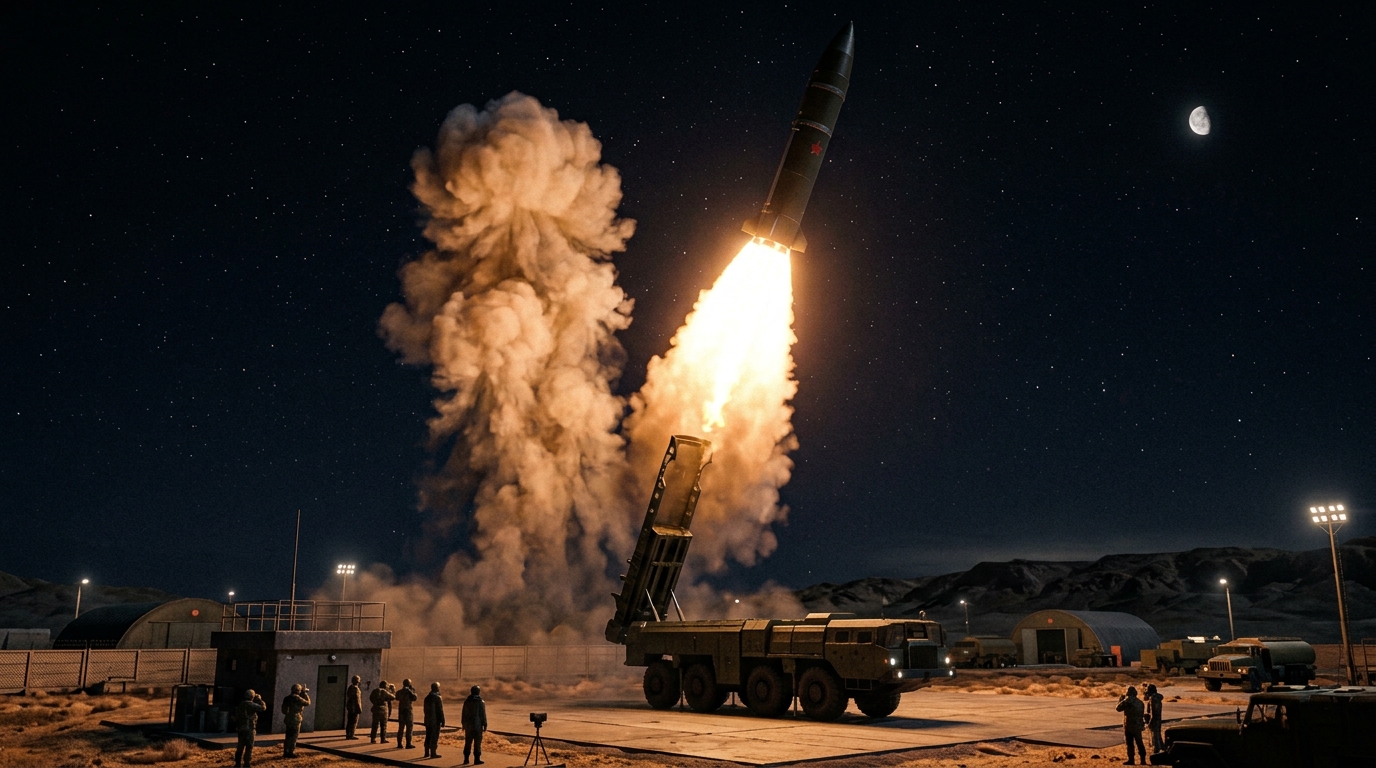
Faced with the strangeness of the flight reports, military experts formulated several rational hypotheses. The first line of inquiry concerned the very nature of the fuel used by the SS-20 Saber ballistic missile. Some specialists wondered whether the combustion of this specific propellant might have triggered an unexpected luminous reaction upon entering the upper layers of the atmosphere.

A second explanation, also technical in nature, suggested the artificial creation of an ion cloud. According to analyses shared by the specialized website Historic Mysteries, this type of particle cloud could have been deliberately deployed to conduct physical measurements and study the characteristics of the upper atmosphere during launch phases.

A military countermeasure with implications that remain relevant today

The most credible and troubling theory put forward by analysts remains that of a defensive jamming system. The dome of light could in fact be an active countermeasure, specifically developed by the Soviet Union to blind and neutralize the radars and missile defense systems deployed by the United States and its European allies.

As journalist Darren Orf points out in his investigation published on July 10, 2026, the actual effectiveness of such technology during the Cold War remains shrouded in mystery. Nevertheless, this issue resonates strongly today, as Russia’s development of modern hypersonic missiles capable of bypassing U.S. defense shields demonstrates that technological control of airspace remains a crucial and potentially formidable challenge.

Source: popularmechanics.com

Cold War: The Inexplicable Soviet Dome of Light Observed by American Pilots in 1988

facebook icon twitter icon linkedin icon
Copied!

Comments

0 0 votes
Article Rating
Subscribe
Notify of
guest
0 Comments
Newest
Oldest Most Voted
More Content