Skip to content

The Big Test of Summer 2022 in the Blue River Basin
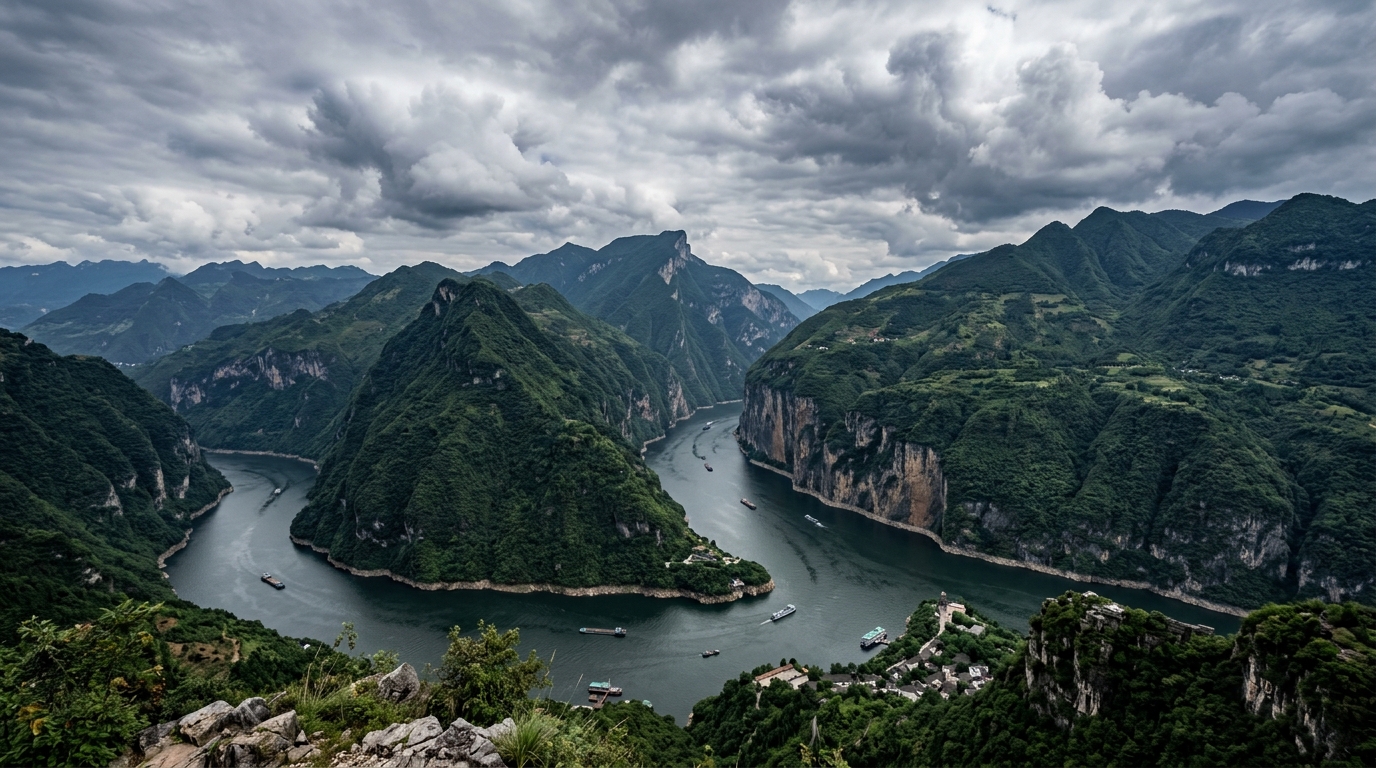
In 2022, a heat wave and a record-breaking drought struck the Yangtze River basin in China. This extreme weather event provided scientists with a unique opportunity to analyze in real time how different types of forests respond when water shortages and abnormally high temperatures occur simultaneously.

The Yangtze River basin is home to some of China’s most important forested areas. These ecosystems play a crucial role in preventing soil erosion, regulating the freshwater supply, and preserving regional biodiversity. As the country’s main river, the Yangtze also supports major economic activity and water resources, making the health of its forests essential to the country’s balance.

Following massive deforestation and catastrophic flooding at the end of the last century—notably the devastating floods of 1998—China has implemented extensive reforestation programs. As highlighted in a report by journalist Hannah Bird for Phys.org, researchers are now trying to understand whether these man-made forests can withstand the increasing frequency of climate crises as well as naturally developed forest areas.

A scientific methodology based on satellite observation
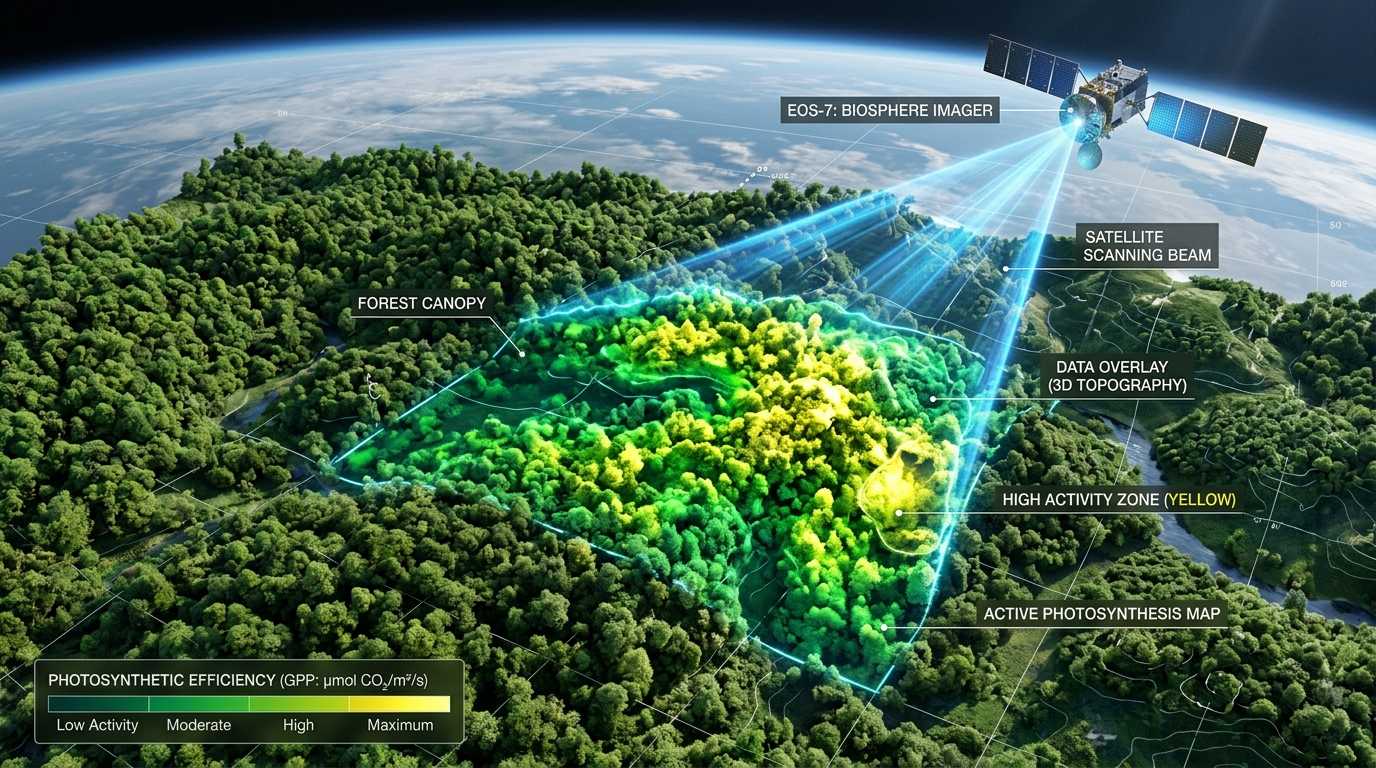
To assess the health of vegetation during this historic crisis, a research team led by Yong Su of the University of the Chinese Academy of Sciences used satellite observation data. The scientists analyzed three key parameters: canopy greenness (which indicates the density and health of the foliage), the rate of photosynthesis, and the amount of carbon produced as trees grow.

The 2022 episode ranks among the most severe on record in the region since 1950. Temperatures reached unprecedented levels, while precipitation and soil moisture dropped dramatically, affecting more than 90% of this vast territory.

The results of this study, published in the scientific journal Water Resources Research, highlight a surprising biological trade-off. Natural forests proved to be far more resilient in the short term, sustaining only limited damage, while planted forests lost more vegetation but recovered much more quickly once the rains returned.

Natural Forests as a Bulwark of Complex Resilience
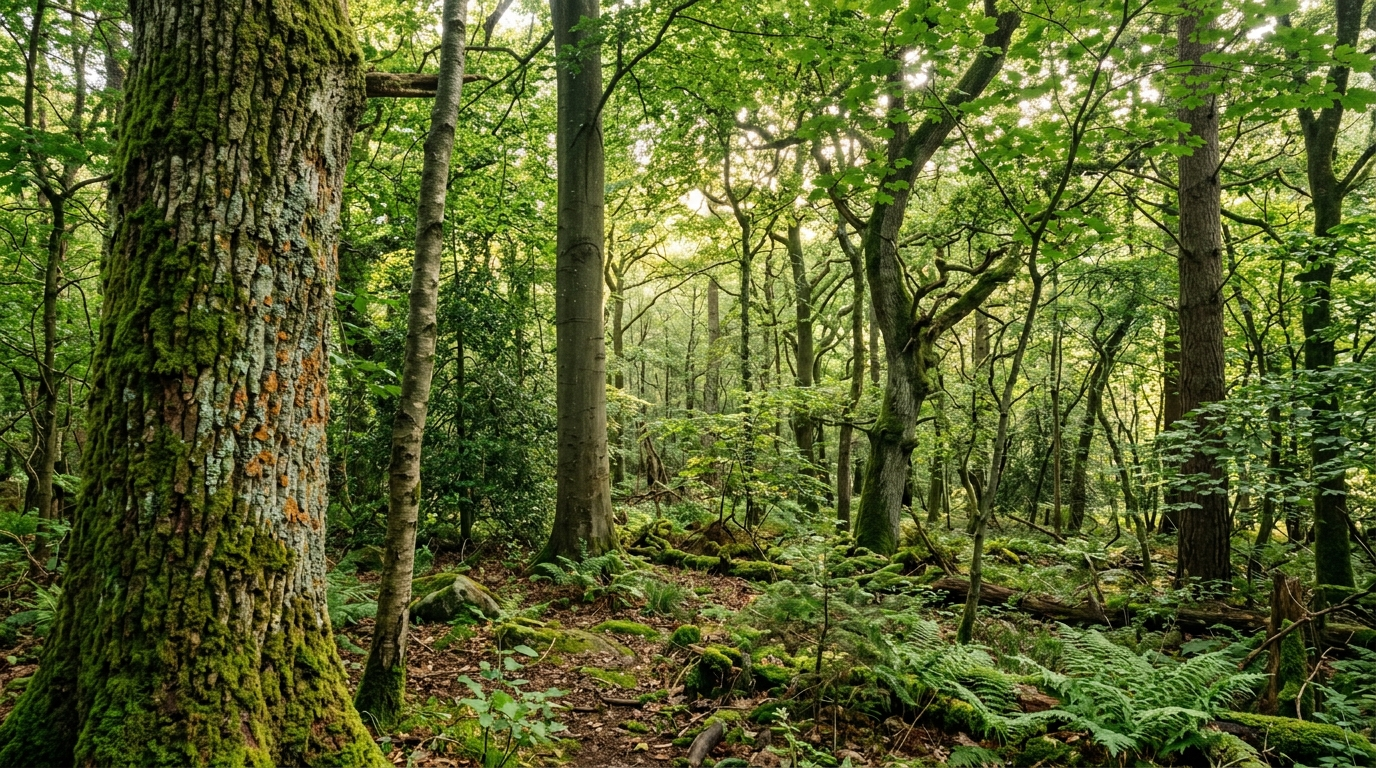
During the peak of the heatwave and drought, natural forests demonstrated remarkable resilience. Analyses show that in more than 70% of the areas studied, natural forests withstood direct climate stress better than artificially reforested areas.

According to researchers, this greater resilience is due to the high structural complexity of natural ecosystems. These ecosystems are home to a wide variety of tree species that respond differently and complementarily to water scarcity. Furthermore, the coexistence of trees of varying ages and a multi-layered canopy creates a protective microclimate capable of mitigating extreme ground-level temperatures.

In contrast, plantation forests often consist of a single species or very few species, with trees planted at the same time and of the same age. This simplified, uniform structure represents a major vulnerability during crises, as all individual trees react in the same way and bear the full brunt of water and heat stress.

The Rapid Recovery of Plantation Forests
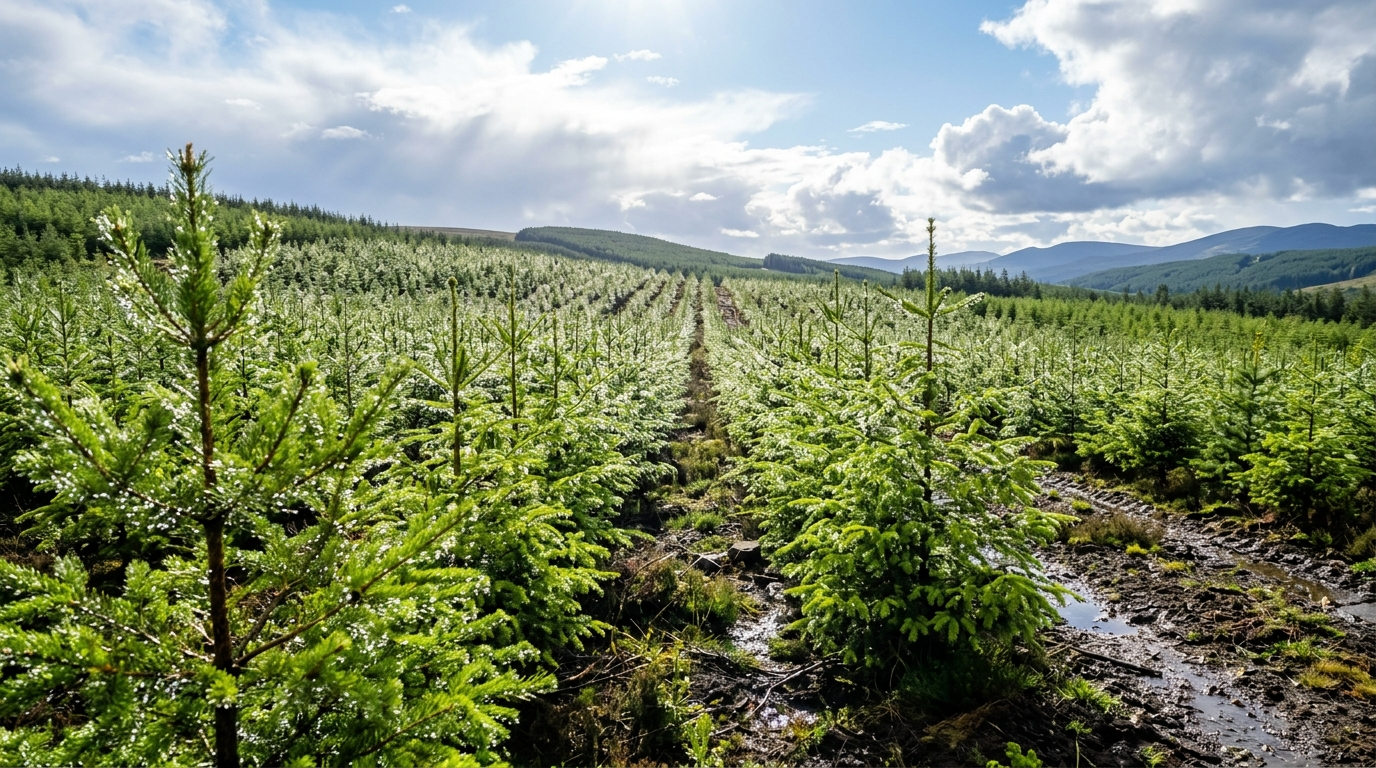
While planted forests suffered heavy losses during the summer of 2022, data from 2023 revealed the opposite trend during the recovery phase. Once weather conditions returned to normal, planted forests demonstrated a significantly faster rate of regeneration than natural forests.

This faster recovery rate can be explained by the fact that plantations often consist of young, fast-growing trees. These trees are able to massively ramp up their metabolism and growth as soon as water becomes available in the soil again.

Natural forests, on the other hand, are characterized by older trees, heavier biomass, and complex root systems. While these characteristics allow them to limit damage during the storm, they also result in a much slower and more gradual recovery once the crisis has passed.

The “memory” effect of drought and lessons for the future
Scientists point out, however, that the impacts of an extreme drought do not disappear immediately when the rain returns. This phenomenon, known as the “drought memory effect,” can cause long-term disruption to invisible yet essential ecological processes, such as carbon uptake by roots and soil biological activity.

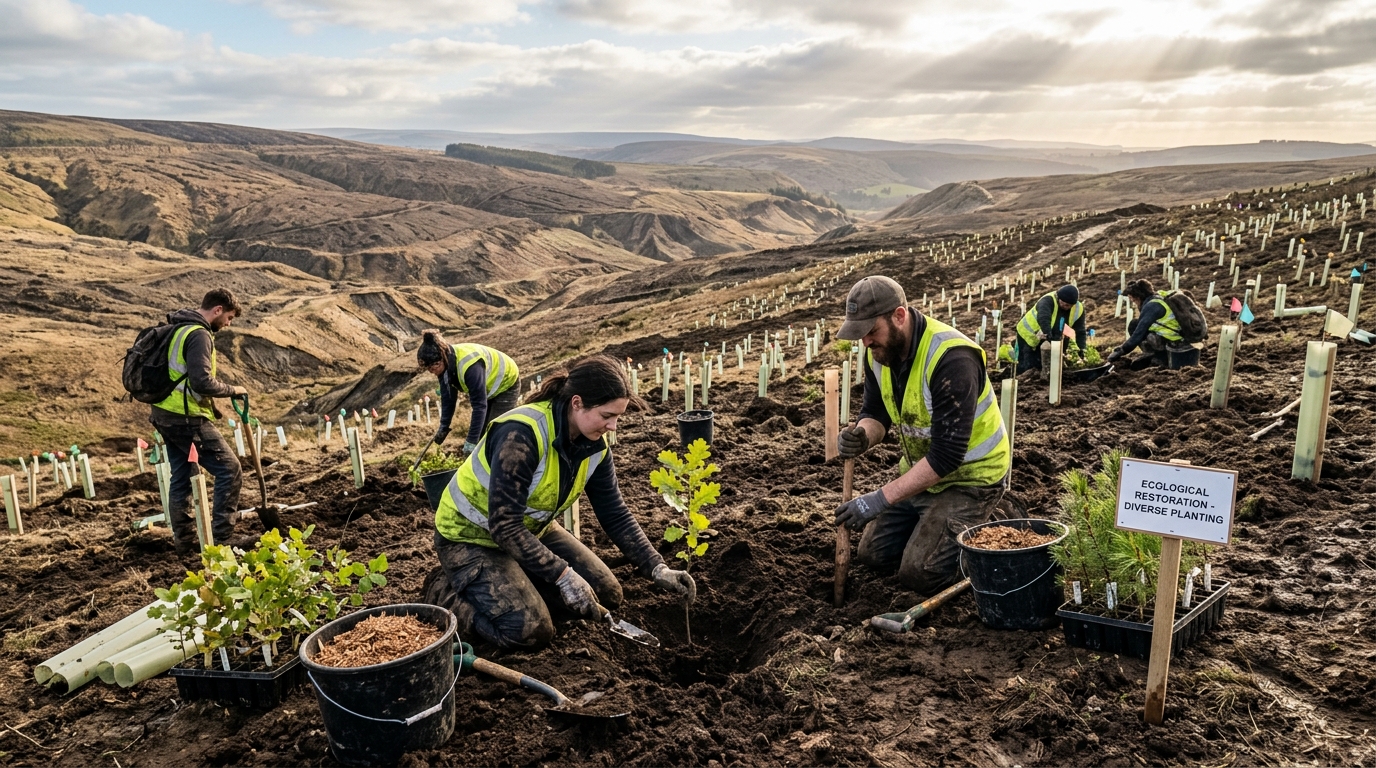
A forest that quickly regains its green appearance on the surface has therefore not necessarily regained all of its underground ecological functions. To ensure the long-term viability of these carbon sinks in the face of climate change, the study suggests moving away from monospecific plantations in favor of mixed forests modeled after natural ecosystems.

By combining diverse tree species and trees of different ages, foresters could design hybrid ecosystems capable of combining the high heat resistance of old-growth forests with the rapid regeneration capacity of planted forests.

According to the source: phys.org

Why are natural forests more resilient to heat waves than planted forests?

facebook icon twitter icon linkedin icon
Copied!

Comments

0 0 votes
Article Rating
Subscribe
Notify of
guest
0 Comments
Newest
Oldest Most Voted
More Content