

Is Broccoli Losing Its Crown? Understanding the Role of Fiber
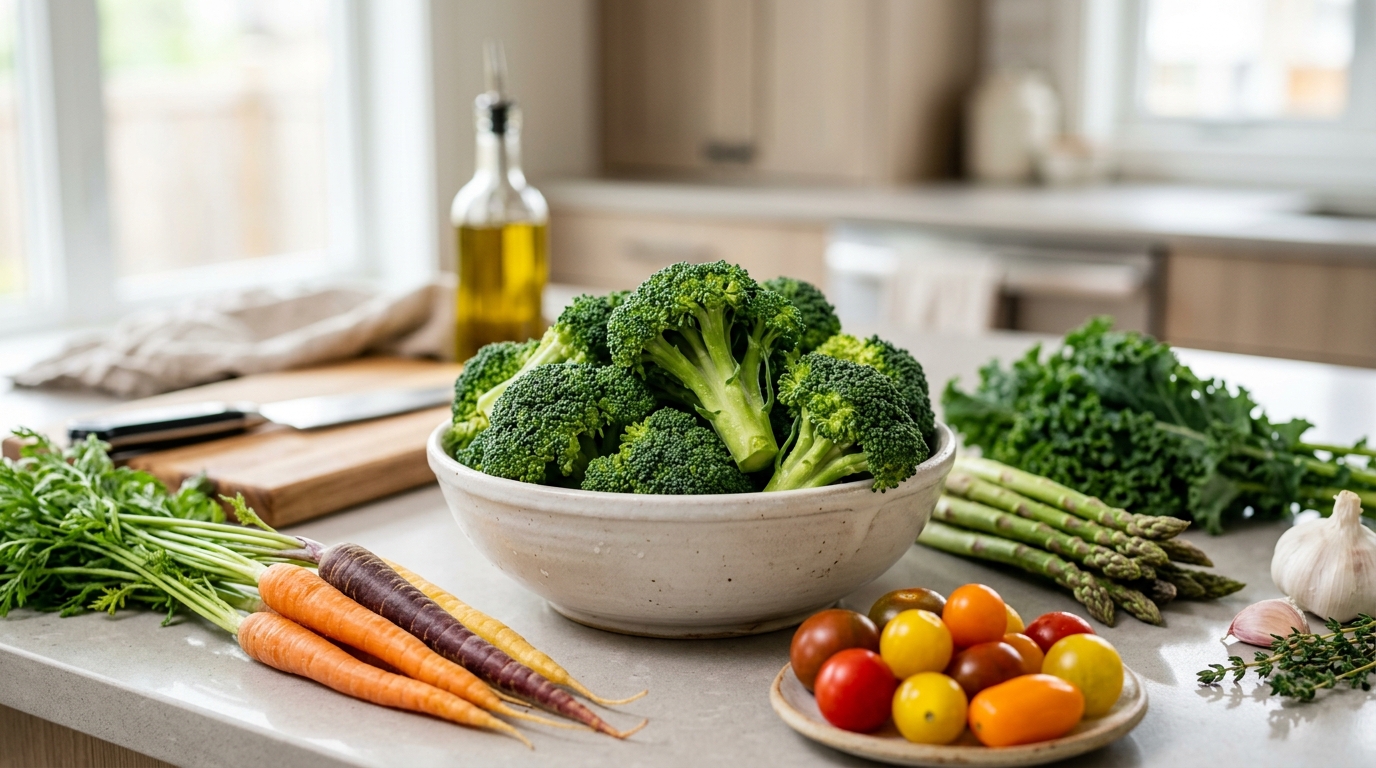
With its resemblance to a small green tree, broccoli has established itself as the symbol of healthy eating and dietary fiber. However, one cup of broccoli provides less than 2 grams of fiber. More precisely, it contains about 1.8 grams of fiber per cup, or 2.4 grams per 100-gram serving, which represents barely 6.5% of the recommended daily value of 28 grams. Furthermore, the fiber in broccoli is almost exclusively insoluble—essential for promoting bowel regularity but lacking the valuable soluble fiber needed to nourish the gut microbiome and regulate blood sugar or cholesterol levels.
According to nutritional guidelines, women should consume about 25 grams of fiber per day, compared to 38 grams for men. To meet these goals for metabolic and digestive health and reduce the risk of disease, it’s essential to diversify your diet. Although broccoli remains a highly nutritious vegetable, other alternatives are far more effective at meeting your daily fiber needs.
Peas: Tiny Powerhouses
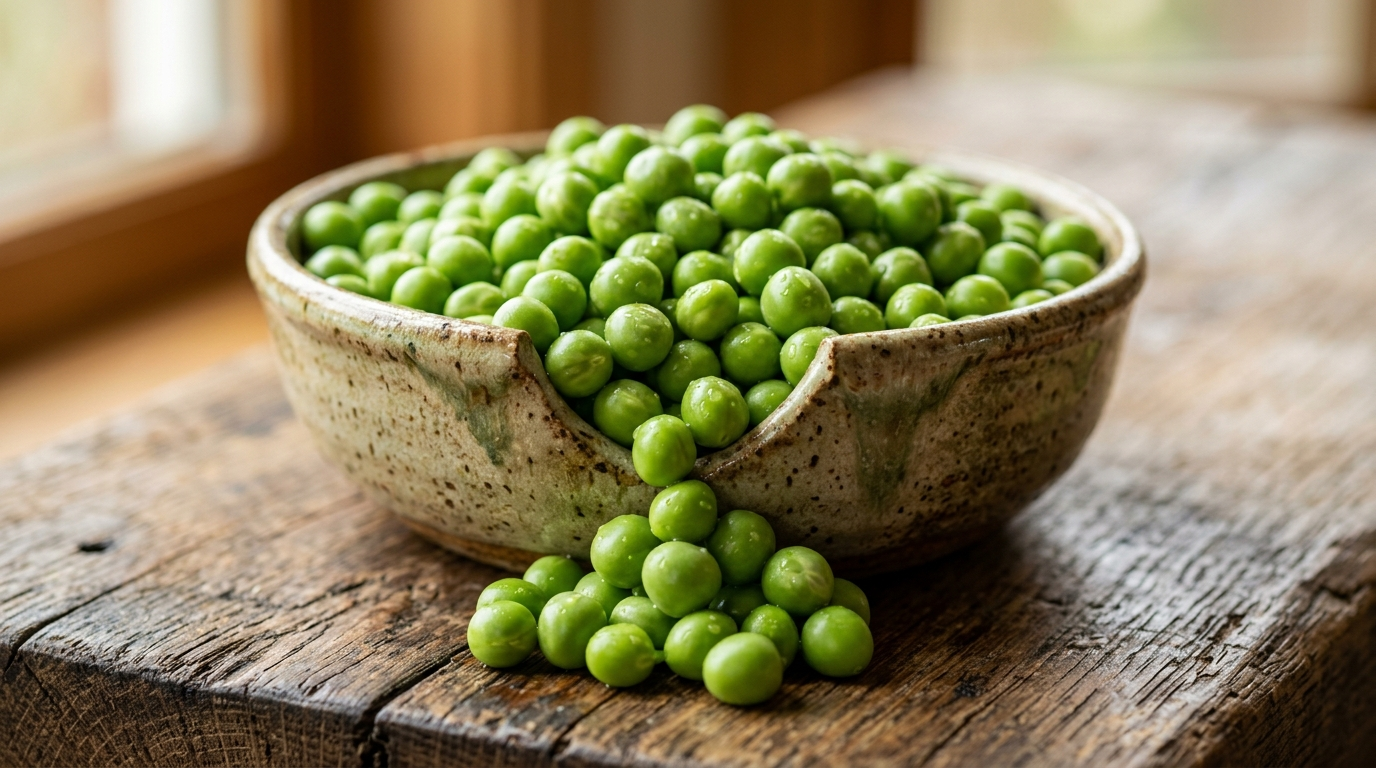
Don’t underestimate the humble green pea. Although it scientifically belongs to the legume family, this green vegetable provides no less than 5.7 grams of fiber per 100 grams—equivalent to about 8 grams of fiber per cup. "They contain a mix of soluble and insoluble fiber, which helps support digestion, improves bowel regularity, and maintains healthy cholesterol levels," explains Melissa Mitri, a registered dietitian and nutritionist.
Beyond their high fiber content, peas stand out for their protein content, with a surprising 8 grams per cup. According to Melissa Mitri, this synergy between protein and fiber is particularly effective at prolonging the feeling of fullness. Easy to cook because they require no chopping—whether fresh or frozen—they also contain lutein and zeaxanthin, two valuable antioxidants that protect vision.
The Artichoke, the Undisputed Champion of the Microbiome
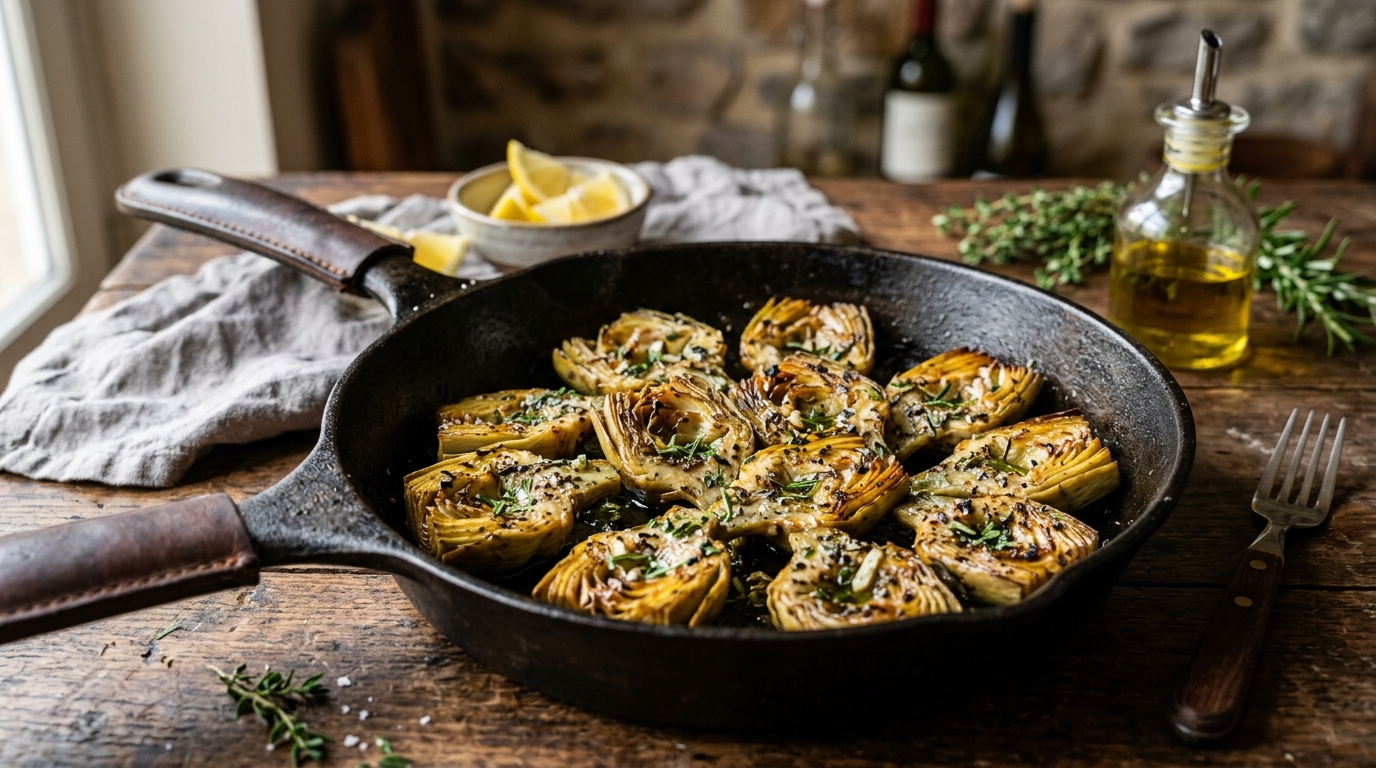
Artichokes are among the most fiber-dense vegetables in our diet. In fact, 100 grams of cooked artichoke hearts contain 5.7 grams of fiber—nearly 10 grams in a single cup. "They contain a specific type of prebiotic fiber called inulin, which helps nourish the beneficial bacteria in our gut," notes Melissa Mitri. "Inulin has been shown to have anti-inflammatory properties and can promote weight loss as well as help maintain healthy blood sugar levels."
In addition to these benefits, this vegetable contains potassium, a mineral essential for regulating blood pressure, as well as a compound called cynarin, known to help lower cholesterol levels. To avoid the sometimes complicated preparation of fresh artichokes, you can easily buy canned or jarred artichoke hearts. Simply drain them, sauté them until golden brown, and add them to your vegetable stir-fries or pasta dishes.
Brussels sprouts, twice as nutrient-dense as broccoli
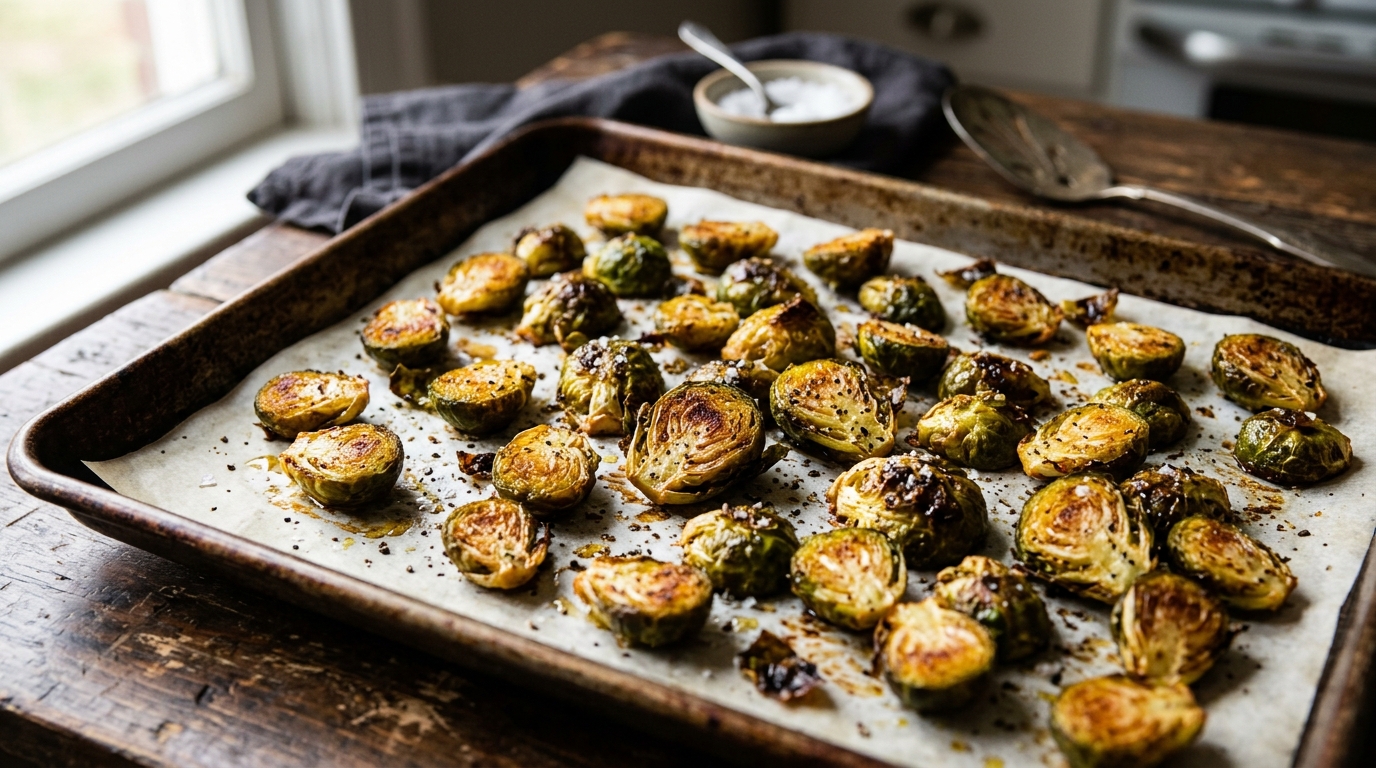
With 4.8 grams of fiber per 100 grams—or about 4 grams per cup of cooked Brussels sprouts—Brussels sprouts provide twice as much fiber as broccoli. Composed of equal parts soluble and insoluble fiber, they promote both healthy digestion and a balanced gut microbiome.
A close relative of broccoli within the cruciferous family, this vegetable shares its health-protective benefits. “Cruciferous vegetables help metabolize excess hormones while boosting immunity, thanks to their high levels of vitamin C, folate, and antioxidants,” explains Bonnie Newlin, a registered dietitian and nutritionist. Rich in glucosinolates, they actively combat inflammation and protect cells from oxidative stress. To preserve these nutrients, avoid boiling them; instead, eat them raw, thinly sliced in a salad, or simply sautéed in a pan.
Kohlrabi, a little-known nutritional treasure
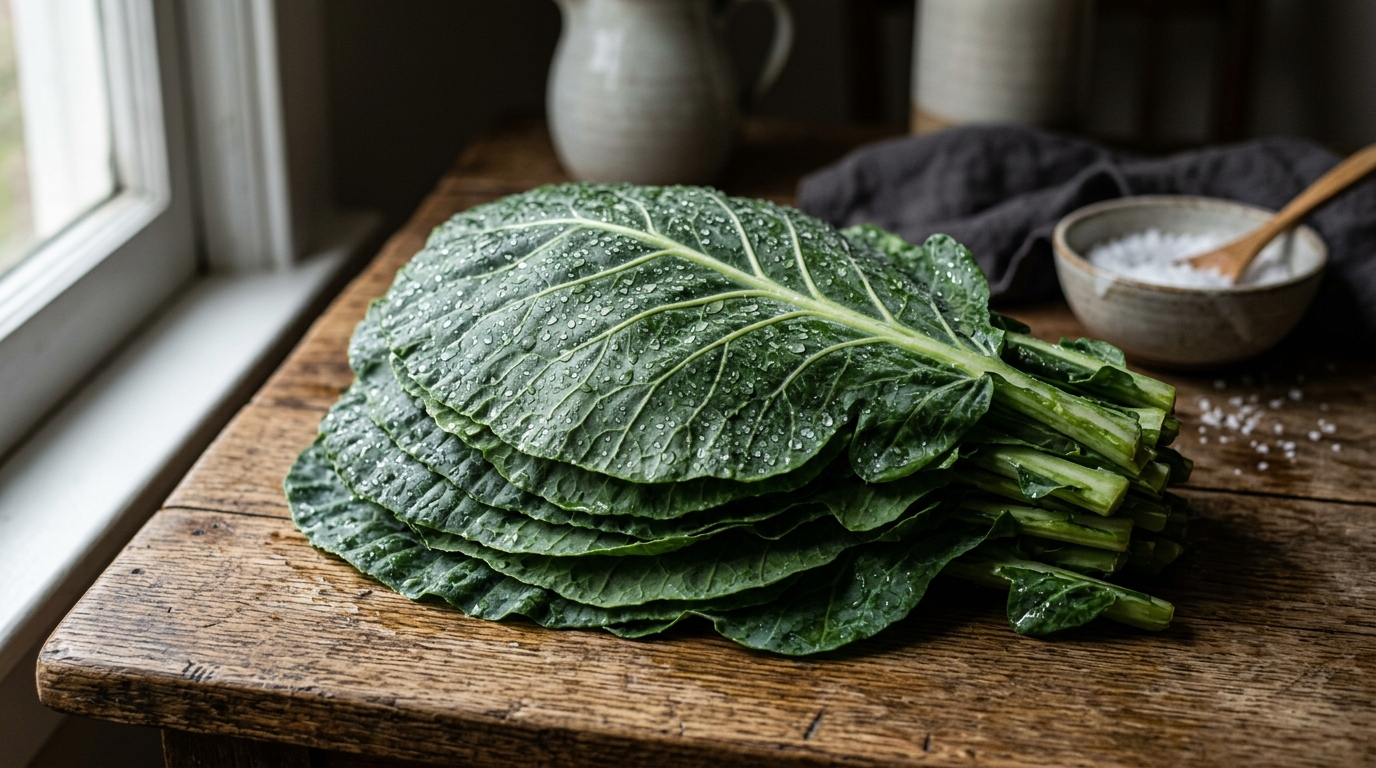
Collard greens are a variety of green cabbage that is particularly rich in fiber, containing 4 grams of fiber per 100 grams. "Collard greens contain insoluble fiber that helps prevent constipation," explains Sophie Dolan, a registered dietitian and nutritionist. "They’re also a surprisingly good source of iron, which supports blood health and energy levels," she adds.
Sweet potatoes: the low-glycemic carb that’s good for your gut

Legumes: The Undisputed Stars of Plant-Based Meals
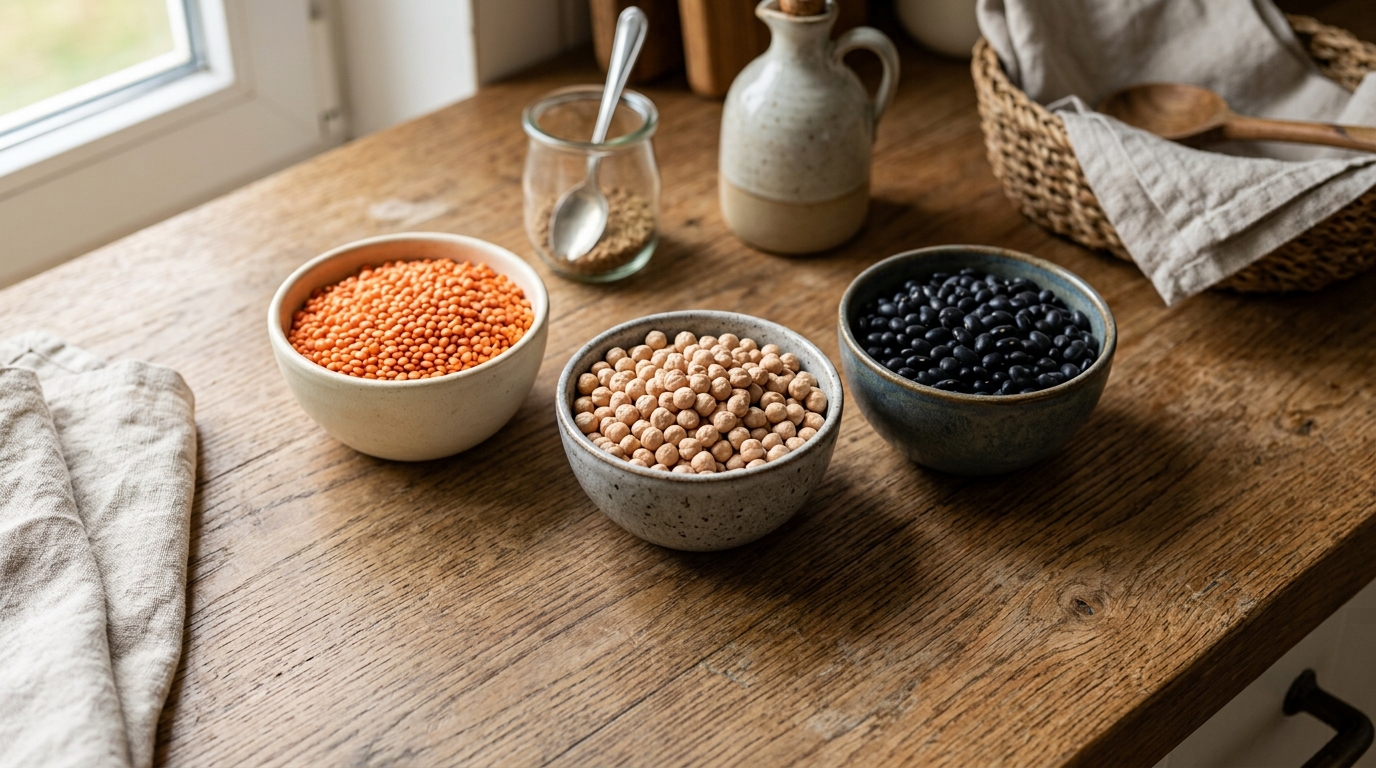
While fresh vegetables are excellent sources of fiber, other food groups make it easy to meet your daily goals. Among them, legumes—which include beans, peas, and lentils—top the list thanks to their dual contribution of fiber and plant-based protein.
Whole Grains for Sustained Energy
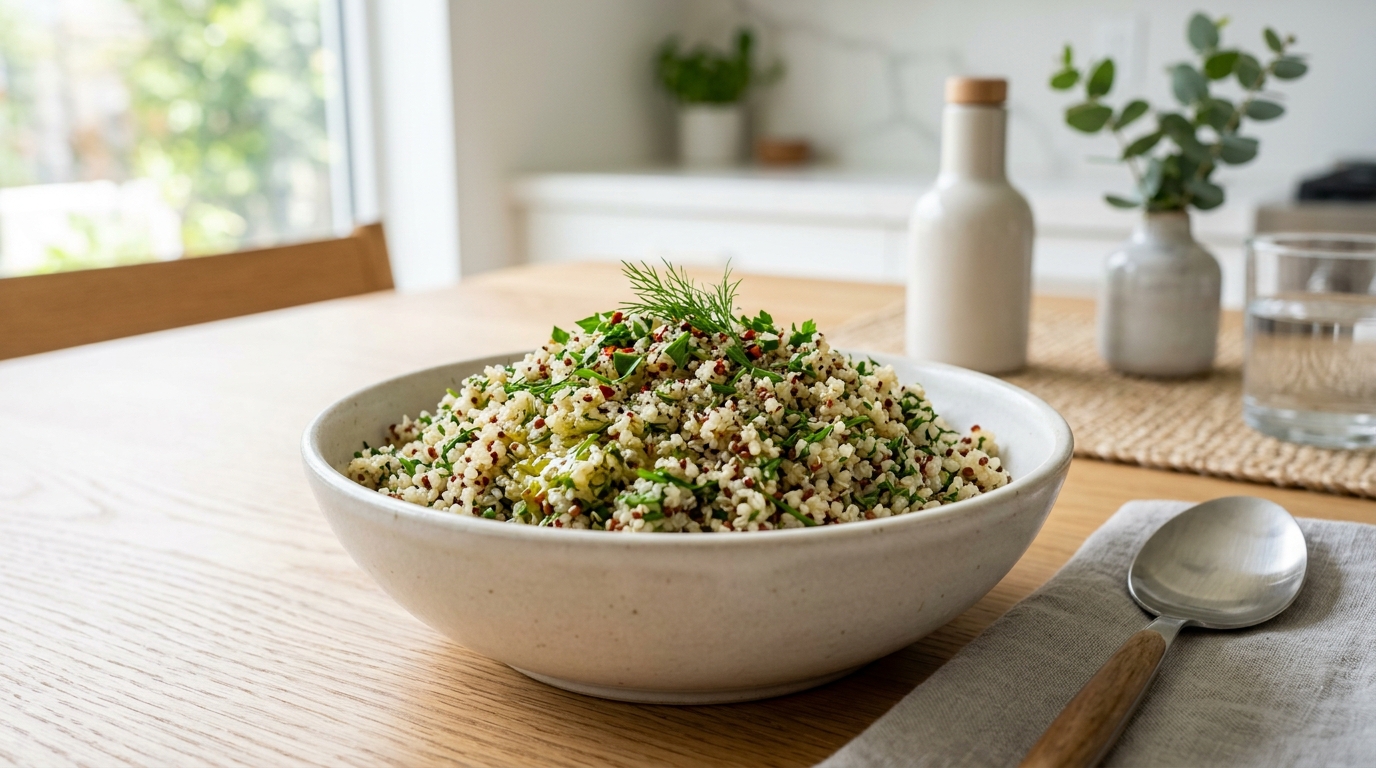
Unlike refined grains, whole grains retain their entire protective husk, which is naturally rich in nutrients. “Whole grains such as steel-cut oats, whole-wheat bread and pasta, brown rice, barley, and quinoa provide fiber as well as complex carbohydrates that are essential for mental and physical energy,” notes Melissa Mitri.
Fruits: A Touch of Fibrous Sweetness
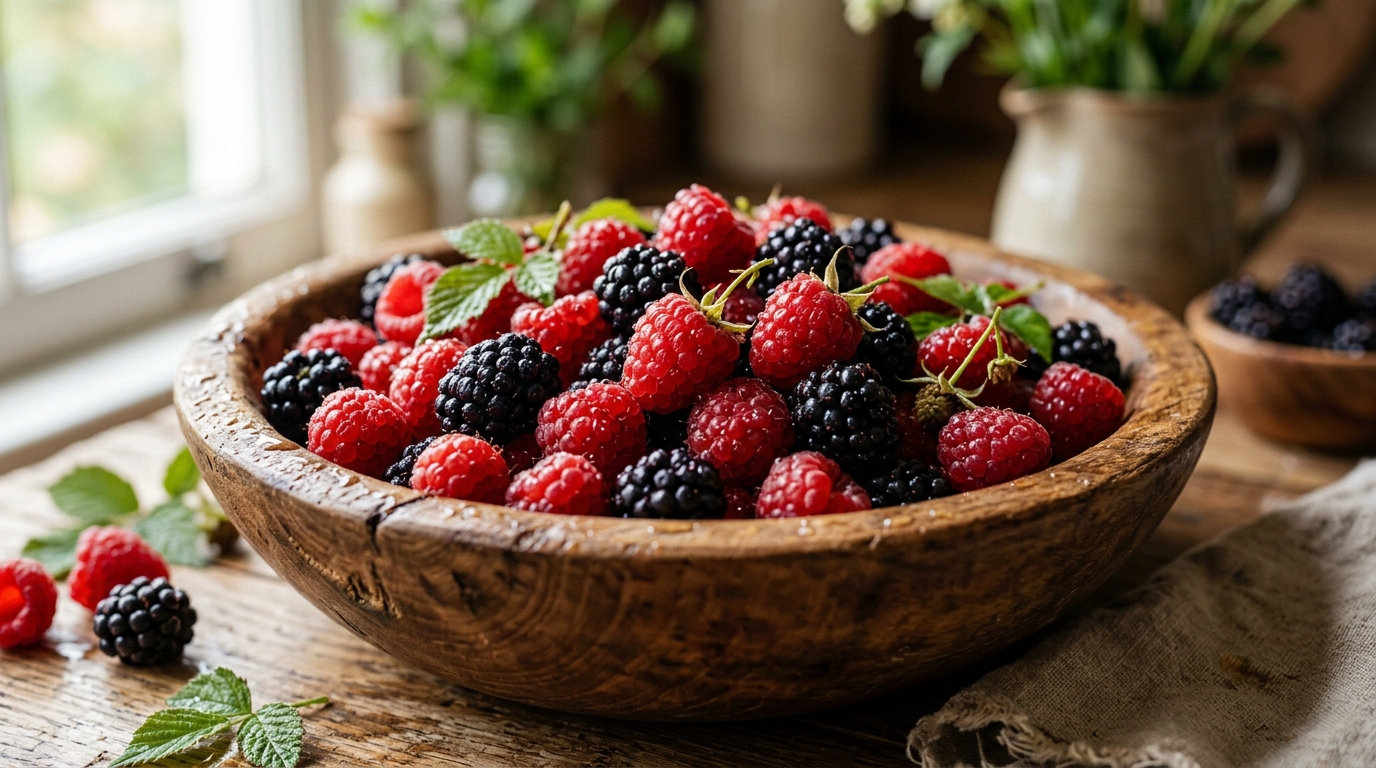
Just like vegetables, fruits are an essential source of fiber, vitamins, minerals, and antioxidants. They’re easy to incorporate into breakfast or as a healthy snack throughout the day to satisfy hunger pangs.
Among the fruits highest in fiber, raspberries take the top spot with 8 grams of fiber per cup. Blackberries and kiwis follow closely behind, offering 8 grams and 5 grams of fiber per cup, respectively—a sweet treat that’s also great for digestion.
Seeds and nuts: little nutritional powerhouses
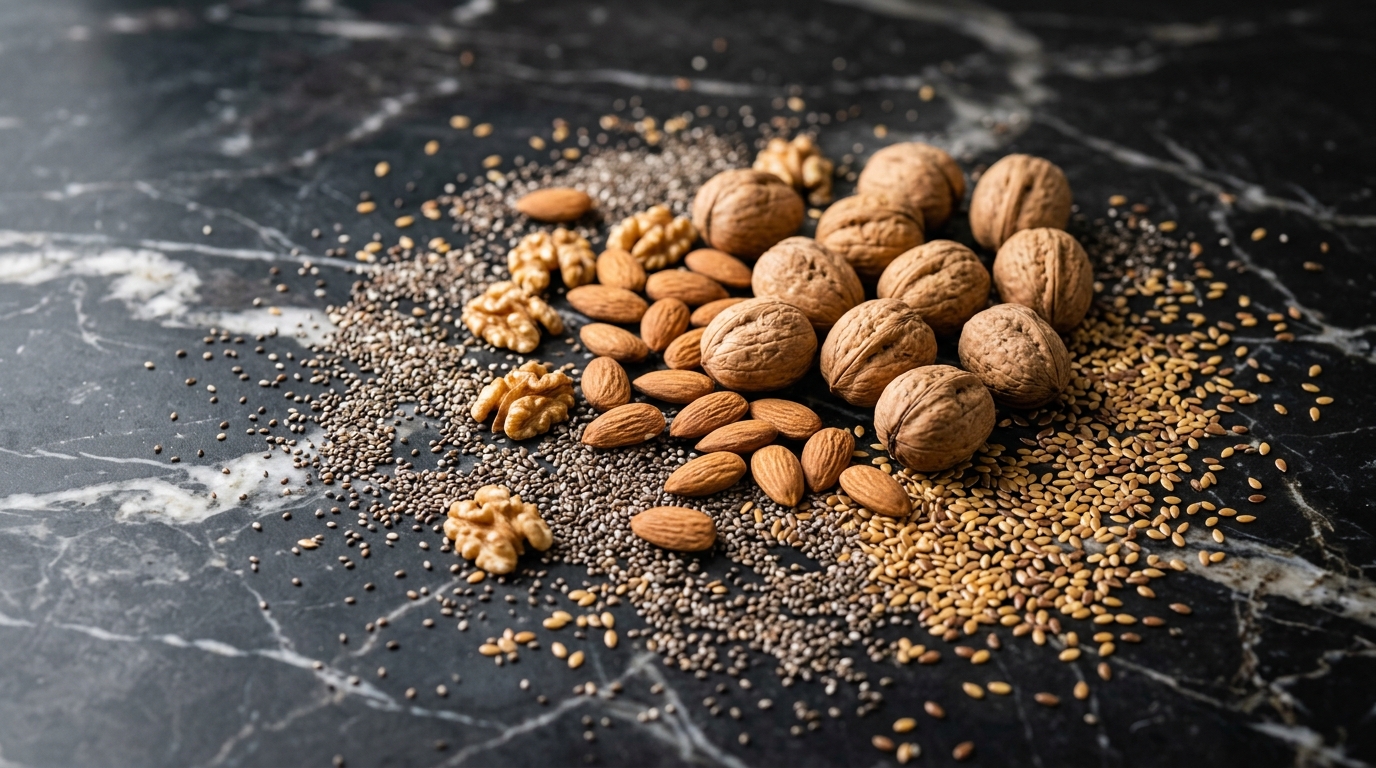
Walnuts, pecans, almonds, and seeds such as pumpkin, chia, flax, and hemp provide exceptionally high concentrations of fiber despite their very small serving sizes. For example, just one ounce—about 28 grams—of chia seeds contains 10 grams of fiber, which is the equivalent of 5 cups of cooked broccoli.
“Nuts and seeds are extremely easy to add to your oatmeal, smoothies, protein shakes, or pancakes for an instant fiber boost,” advises Melissa Mitri. It’s a simple habit to adopt that can transform your everyday snacks into real health shields.
Dietary diversity above all
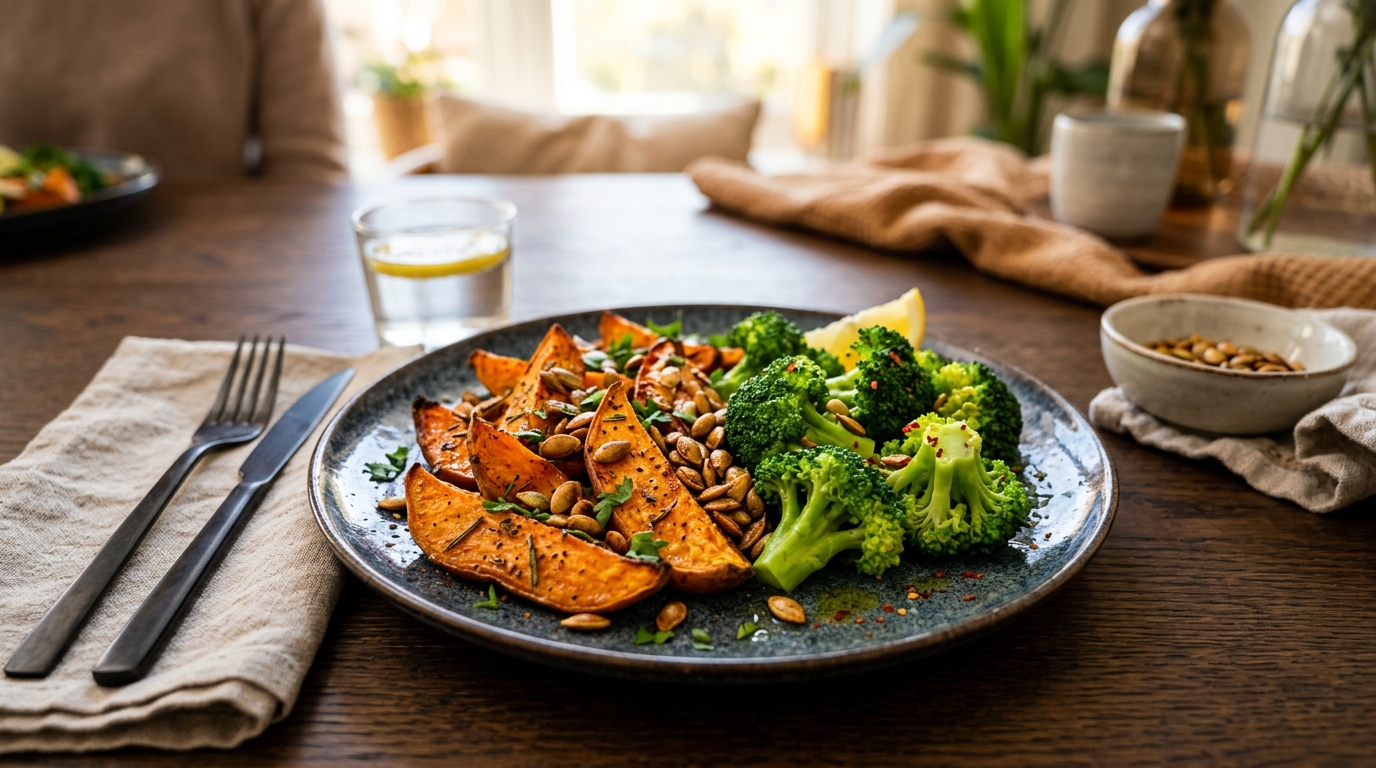
While it’s now clear that alternatives like peas, artichokes, or sweet potatoes surpass broccoli in terms of fiber content, that doesn’t mean you should exclude it from your meals. This cruciferous vegetable remains a valuable food for overall health thanks to its balanced nutritional profile.
Source: eatingwell.com
5 Vegetables Higher in Fiber Than Broccoli to Optimize Your Digestion


