

Honey: A Natural Shield Against the Effects of the Sun
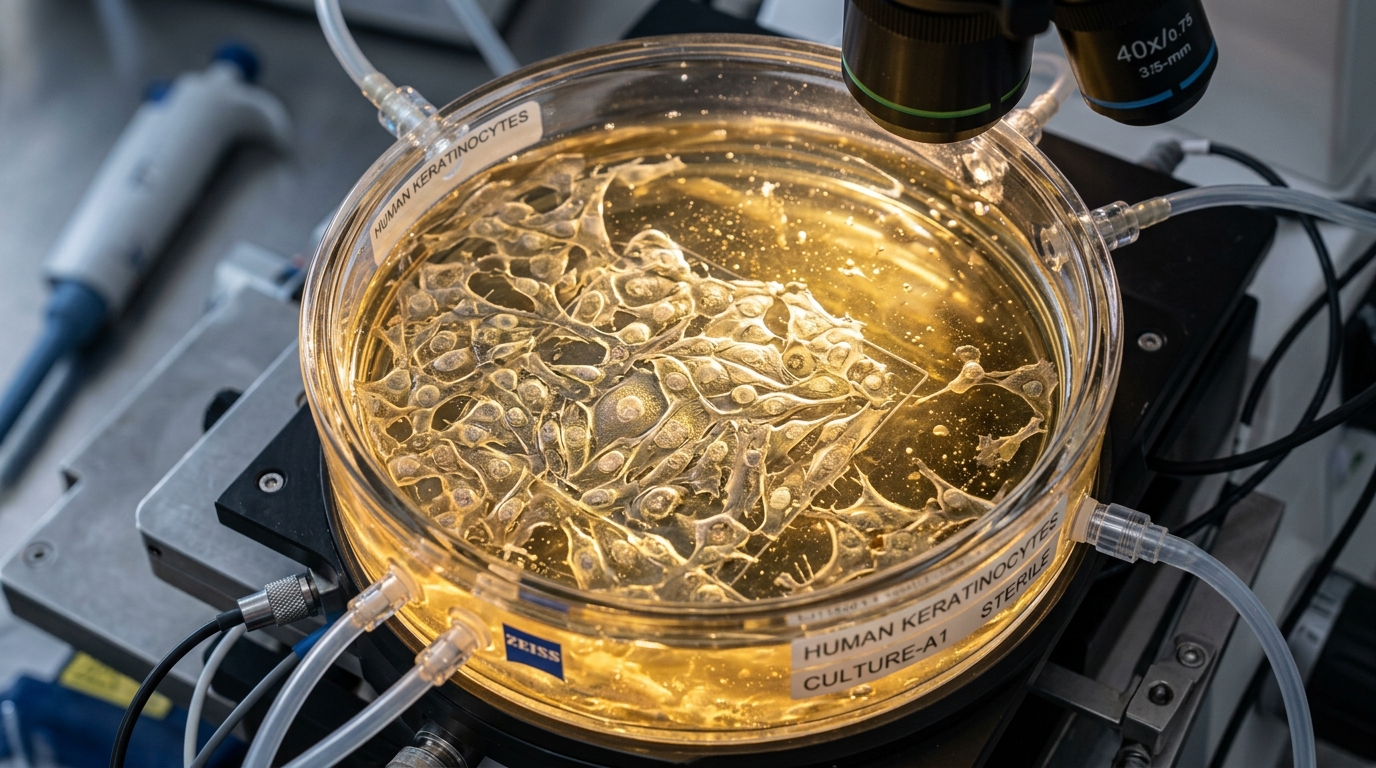
In the face of external aggressors—particularly ultraviolet rays—science is constantly seeking new natural allies to preserve the integrity of our skin. According to a study published in the scientific journal Antioxidants, wildflower honey may play a key role in protecting human skin cells from damage caused by ultraviolet light, which is responsible for premature skin aging.
An innovative scientific approach that mimics living skin
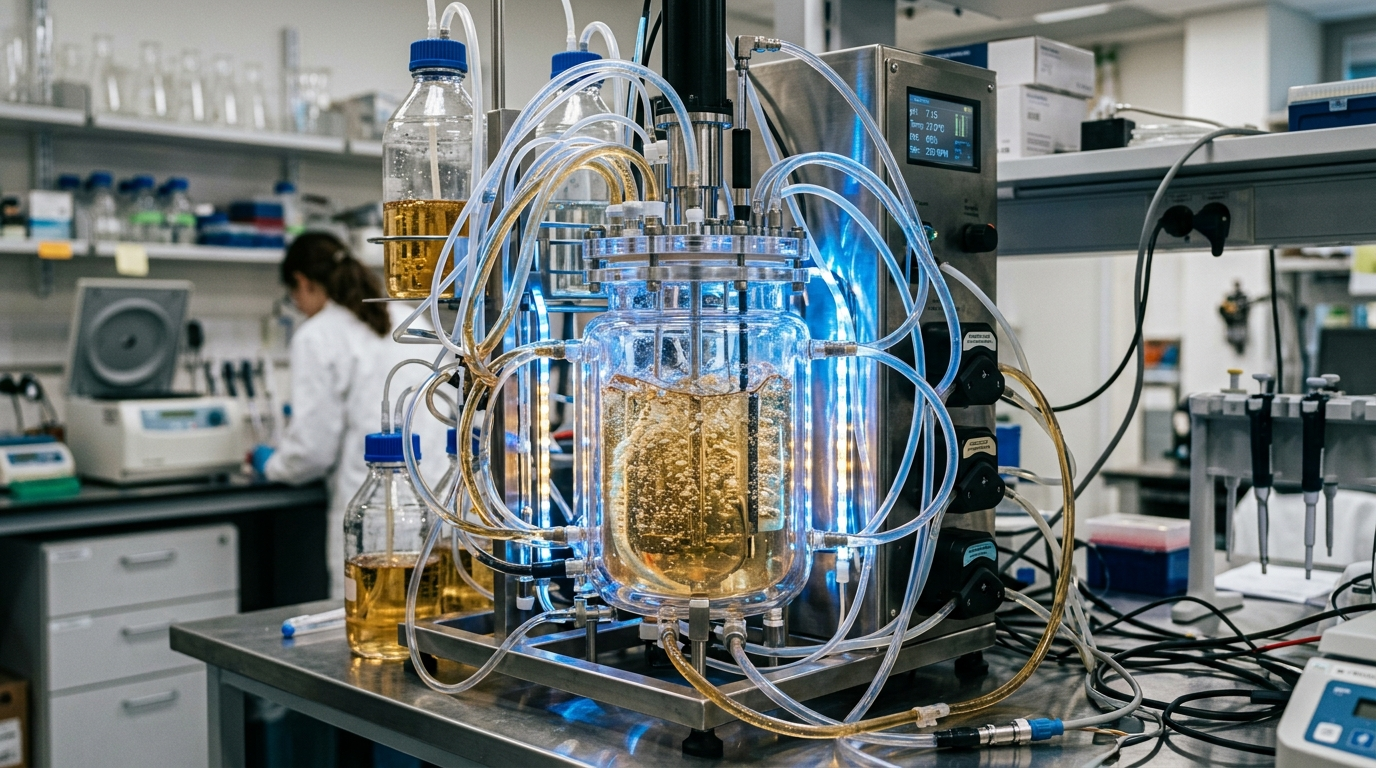
“I see this as a promising direction, particularly for skincare and dermocosmetic applications,” Dr. Kavak said in an interview with Earth.com. To test this hypothesis, the research team chose to work directly with live cell cultures rather than with a finished cosmetic product.
To replicate the behavior of human skin, the scientists simultaneously cultured three types of skin cells: stem cells derived from biopsies, fibroblasts (which form the skin’s supportive structure), and keratinocytes (representing the outer layer). These cells were placed in a dynamic bioreactor where the culture medium circulated continuously, thereby mimicking the natural environment of our skin.
The Genetic Effects of Honey on Cellular Stress
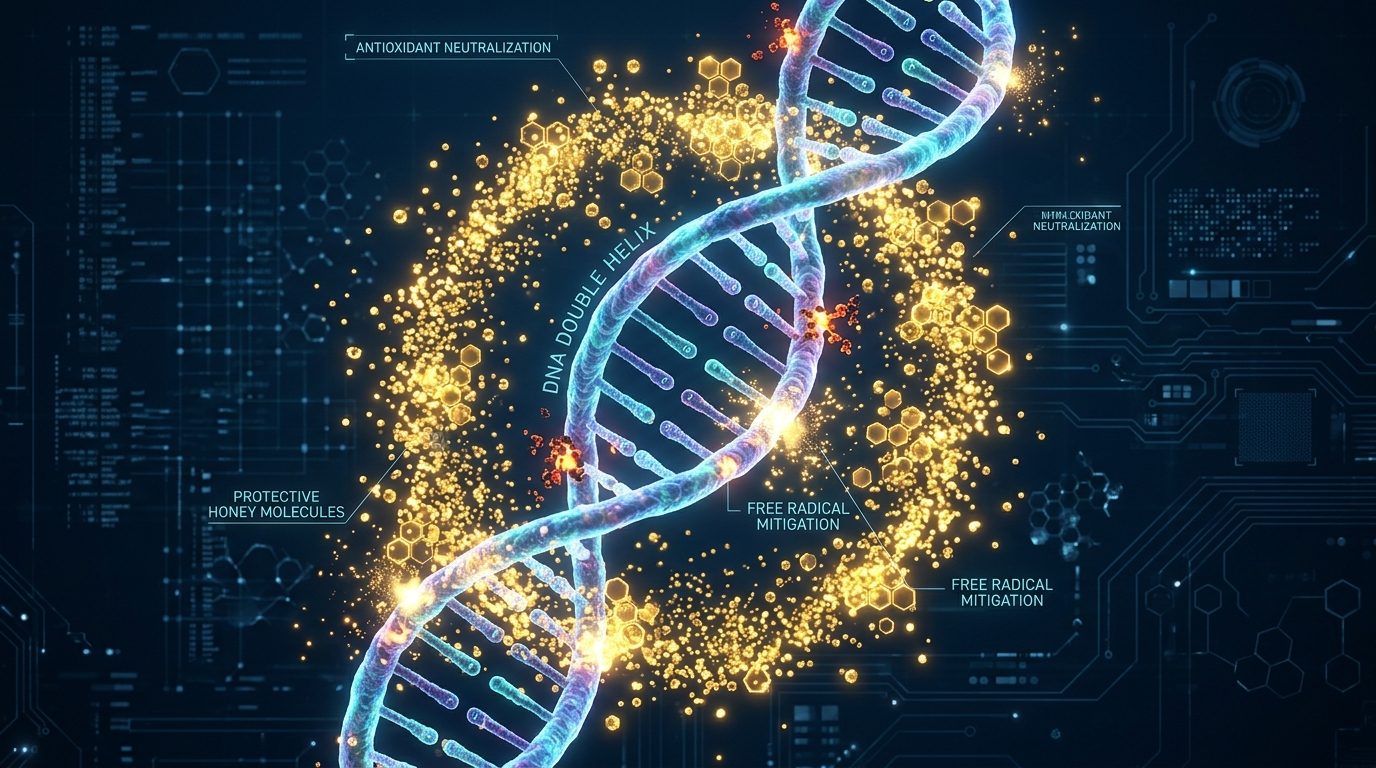
The impact of UV rays goes beyond a simple sunburn. This radiation breaks down DNA, saturates cells with reactive oxygen species, and drives them toward senescence—a state of biological retirement in which they cease to divide and renew themselves. In stem cells previously treated with a 1% honey solution, the opposite reaction was observed.
The genes responsible for the youthfulness and self-renewal of stem cells were found to be more active, while genes linked to aging and cell senescence remained dormant. The researchers closely monitored more than 20 genes involved in skin regeneration and repair, noting that honey’s effect was broadly distributed across all of these genetic switches.
“This supports the idea that multifloral honey can act as a multifactorial biological modulator rather than affecting a single target,” Dr. Kavak explained to Earth.com. The treated cells also released less nitric oxide—a marker of chemical damage—while strengthening their antioxidant defenses. This ability to neutralize oxidative damage echoes another study conducted on rats, in which prolonged honey consumption reduced DNA breaks and increased the activity of antioxidant enzymes.
Saving Fibroblasts and Restoring Cellular Balance
Prospects, Limitations, and the Future of Dermocosmetics
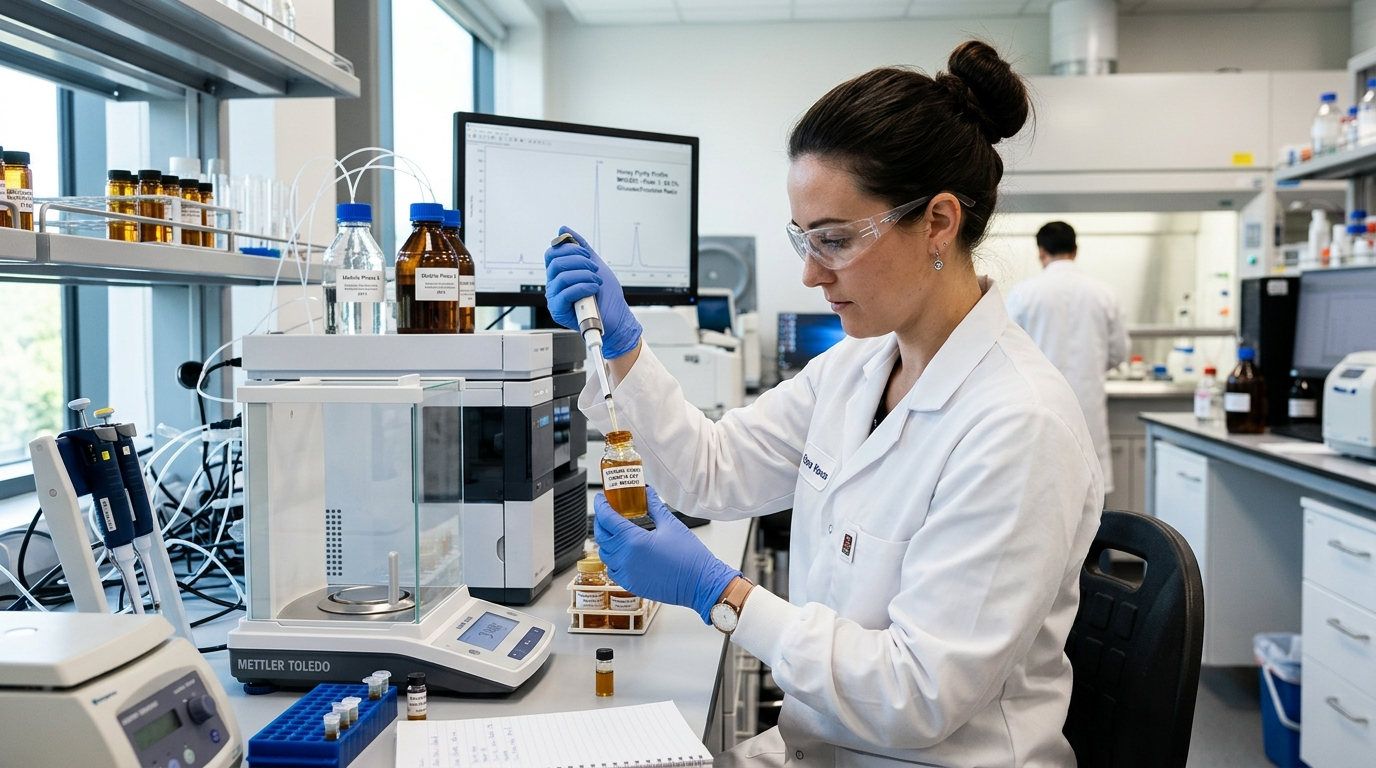
Source: earth.com
Wildflower honey: a promising approach to slowing skin aging caused by UV rays


